Te
Kaunihera o Te Hiku o te Ika
AGENDA
Ordinary Te Kūkupa Committee for Strategy, Policy
and Regulation Meeting
Wednesday, 15 April 2026
|
Time:
|
10:00 am
|
|
Location:
|
Council Chamber
Memorial Ave
Kaikohe
|
Membership:
Chairperson
Kelly Stratford - Chairperson
Deputy
Chairperson Ann Court
Cr
Rachel Baucke
Cr
Felicity Foy
Cr Hilda
Halkyard-Harawira
Cr
Davina Smolders
(Ex-officio
Member) Kahika - Mayor Moko Tepania
Cr
Arohanui Allen
Cr
Chicky Rudkin
|
|
Authorising Body
|
Mayor/Council
|
|
Status
|
Standing Committee
|
|
COUNCIL COMMITTEE
|
Title
|
Te Kūkupa Committee for Strategy, Policy and
Regulation
|
|
Terms of Reference Adoption
|
11 December 2025
|
|
Responsible Officer
|
General Manager Planning and
Policy
|
Kaupapa / Purpose
Te Kūkupa –
Strategy, Policy and Regulation Committee is established to provide governance
oversight, leadership, and direction on the development, review, and monitoring
of the Far North District Council’s strategies, policies, bylaws, and
regulatory frameworks. The Committee ensures that Council’s strategic
objectives are advanced through robust policy development and effective
regulatory practice.
Ngā Huānga / Membership
The Council will determine the
membership of the Committee.
Te Kūkupa Committee for
Strategy, Policy and Regulation will comprise of at least six elected members
(one of which will be the chairperson).
Kahika
/ Mayor Moko Tepania is an ex-officio member of all Committees.
Membership is as follows:
|
Cr Kelly
Stratford - Chairperson
|
|
Cr Ann
Court - Deputy Chairperson
|
|
Kohepu
– Deputy Mayor Chicky Rudkin
|
|
Cr Felicity
Foy
|
|
Cr Davina
Smolders
|
|
Cr
Hilda Halkyard Harawira
|
|
Cr
Rachel Baucke
|
|
Cr
Arohanui Allen
|
Kōrama
/ Quorum
The
quorum at a meeting of Te Kūkupa Committee for Strategy, Policy and
Regulation is 4 members.
Ngā Hui / Frequency of
Meetings
The
Committee shall meet 4 weekly.
Ngā Apatono / Power to
Delegate
The responsibilities, duties and
powers of the Committee are subject to the prohibition on delegation of powers
under Clause 32(1), Schedule 7, Local Government Act 2002, and any other
restrictions on delegation under any other relevant legislation.
Te Kūkupa
Committee for Strategy Policy and Regulation
may not delegate any of its responsibilities,
duties or powers however it may establish working
groups to consider issues within the committee’s areas of
responsibilities noting that working groups have no decision-making powers.
Ngā Herenga Paetae /
Responsibilities
The Committee’s responsibilities include, but are not
limited to:
·
Leading the development, review, and recommendation of Council
strategies, policies, and bylaws.
·
Overseeing the preparation and review of the Long Term Plan,
Annual Plan, and associated consultation processes.
·
Monitoring the implementation and effectiveness of adopted
strategies and policies.
·
Provide Governance level insight on Council’s approach to
regulatory matters - having regard to the separation of regulatory and
non-regulatory decision-making functions as between the Chief Executive and
Governance (section 42(3)(a) LGA02).
·
Have input into submissions on central government policy,
legislation, and regulatory proposals relevant to Council’s functions.
·
Considering and recommending to Council on matters relating to:
-
District Plan and Resource Management Act functions,
-
Environmental policy and planning,
-
Economic development strategies,
-
Social and community wellbeing policies,
-
Climate change adaptation and mitigation policy,
-
Regulatory fees and charges,
-
Other strategic or regulatory matters as delegated by Council.
The Committee has delegated authority to:
·
Approve for consultation draft strategies, policies, and bylaws.
·
Hear and consider submissions, including oral submissions on
strategies, policies, and bylaws, and recommend adoption to Council.
·
Have Governance level oversight of regulatory and policy matters
as specifically delegated by Council - subject to
Clause 32(1), Schedule 7, Local Government Act 2002 and section 43(3)(a) of the
LGA02.
·
Request reports and briefings from staff on matters within its
scope.
The Committee does NOT have the authority to:
·
Adopt final strategies, policies, or bylaws (unless specifically
delegated by Council).
·
Make decisions that are the responsibility of the full Council or
another committee.
Ngā
Ture / Rules and Procedures
Council’s Standing Orders and Elected Member Code of
Conduct apply to all meetings.
Reporting
and Review of Committee Terms of Reference
In December of each year, the Responsible Officer alongside
Democracy Services will submit a report to Council. The report will summarise
the activities of the Committee and how it has contributed to the
Council’s governance and strategic objectives. This will look at whether
the Council are meeting the full requirements of the Committee Terms of
Reference and whether any amendments are required to the Committees terms of
reference to increase efficient and effective decision making.
The
terms of reference of the Committee will be reviewed as part of this report but
can be amended by Council at any point throughout the term.
Integrated Work Programme
2026 - Committee Meetings
and Monthly Operational
Briefings (MOBs)
|
Date
|
Forum
|
Key Programme / Topic
|
Purpose
|
Details to be
reported on
|
Te Kūkupa Role / Outcome
|
|
18 March 2026
|
Committee
|
Work
Programme
|
Adoption of the Work Programme (this document)
|
Adoption of Te Kūkupa
work programme 2026
|
Approval
|
|
19 March 2026
|
MOB –
Full Council
|
Planning and Policy Group
– Monthly Operational
Briefing
|
Operational awareness and progress updates
|
Narrative update on
progress on planned works, highlights, what
is planned next.
Status of Submissions
Confirm metrics
|
Note and participate as part of full Council
|
|
15 April 2026
|
Committee
|
District Plan update
|
Governance direction on next statutory stage
|
Status of District Plan,
next phases, key dates and
upcoming decisions
|
Governance
assurance
|
|
15 April 2026
|
Committee –
Workshop
|
LGNZ Remit topics and planning
|
To workshop what FNDC wants to
submit on and plan any submissions or support of submissions
|
·
Remits identified and scheduled approval by
Council in alignment Zone
meetings.
|
Oversight and Approval
|
|
16 April 2026
|
MOB –
Full Council
|
Planning and Policy Group
– Monthly Operational
Briefing
|
Operational awareness and progress updates
|
Narrative update on
progress on planned works, highlights, what
is planned next.
Status of Submissions
Confirm metrics
|
Note and participate as part of full Council
|
|
Date
|
Forum
|
Key Programme / Topic
|
Purpose
|
Details to be
reported on
|
Te Kūkupa Role / Outcome
|
|
13 May 2026
|
Committee
|
Strategies and policies – Adoption and Implementation - Six
monthly update
|
Monitoring and reporting
on the implementation of adopted strategies and policies
|
·
Implementation
progress of adopted strategies and policies
·
Performance
against intended outcomes
·
Risks and issues
·
Delivery
constraints and issues
Dashboard style report,
narrative on what is off track and recommended
corrective actions
|
Governance
assurance
|
|
10 June 2026
|
Committee
|
Bylaw Review Programme – Annual Status
Report
|
Annual governance oversight of bylaw review programme
|
·
Statutory review schedule and timeframes
·
Expiry risks and
legislative triggers
·
Compliance and enforcement
trends by bylaw
·
Revenue versus cost (where applicable)
·
Recommended
review priorities
|
Confirm
priorities and sequencing
|
|
Date
|
Forum
|
Key Programme / Topic
|
Purpose
|
Details to be
reported on
|
Te Kūkupa Role / Outcome
|
|
08 July 2026
|
Committee
|
Regulatory
Performance Dashboard
|
Six monthly
governance oversight of regulatory system performance
|
·
Building Consent Authority performance and accreditation
·
Resource consent statutory compliance and trends
·
Compliance and enforcement
activity
·
Environmental
monitoring trends
·
Backlogs
·
Contractor
performance (where applicable)
·
Emerging risks and issues
Dashboard style report
– 3
to 5 pages
|
Governance
assurance and risk oversight
|
|
08 July 2026
|
Committee
|
District Plan status report
|
Status report
on District Plan post
Council decision to adopt
|
·
Summary of Decisions
·
What is implemented
·
Next Steps
|
Note
performance and provide
governance direction
|
|
12 August 2026
|
Committee
|
Climate
Adaptation Programme
– Strategy Implementation Report
|
Six‑monthly governance assurance on implementation
|
·
Progress against
agreed milestones and action plan
·
Budget tracking against allocated funding
·
Key performance indicators and outcome measures
·
Risks, constraints and interdependencies
·
Areas of slippage or reprioritisation
·
Forward look
to next period
|
Note
performance and provide
governance direction
|
|
Date
|
Forum
|
Key Programme / Topic
|
Purpose
|
Details to be
reported on
|
Te Kūkupa Role / Outcome
|
|
09 September
2028
|
Committee
|
Spatial Planning,
Reserves and Placemaking – development
and implementation
|
Six-monthly governance assurance of spatial plan development and implementation
|
·
Progress against
agreed milestones and action plan
·
Budget tracking against allocated funding
·
Key performance indicators and outcome measures
·
Risks,
constraints and interdependencies
·
Areas of slippage or reprioritisation
·
Forward look
to next period
|
Note
performance and provide
governance direction
|
|
07 October 2026
|
Committee
|
Governance
review of selected regulatory policies and bylaws
|
Review effectiveness of regulatory frameworks
|
·
Effectiveness of
current regulatory settings
·
Compliance and enforcement
trends
·
Revenue versus cost (where applicable)
·
Identified gaps
or issues
·
Potential review triggers
|
Direction on review priorities
|
|
03 December
2026
|
Committee
|
Strategies and policies – Adoption and Implementation - Six
monthly
|
Monitoring and reporting
on the implementation of adopted strategies and policies
|
·
Implementation
progress of adopted strategies and policies
·
Performance
against intended outcomes
·
Risks and issues
·
Delivery
constraints and issues
Dashboard style report,
narrative on what is off track and recommended
corrective actions
|
Governance
assurance
|
|
Date
|
Forum
|
Key Programme / Topic
|
Purpose
|
Details to be
reported on
|
Te Kūkupa Role / Outcome
|
|
03 December 2026
|
Committee
|
Regulatory
Performance Dashboard
|
Six monthly
governance oversight of regulatory system performance
|
·
Building Consent Authority performance and accreditation
·
Resource consent statutory compliance and trends
·
Compliance and enforcement
activity
·
Environmental
monitoring trends
·
Backlogs
·
Contractor
performance (where applicable)
·
Emerging risks and issues
Dashboard style report
–
3 to 5 pages
|
Governance
assurance and risk oversight
|
|
Monthly (to be scheduled)
|
MOB – Full Council
|
Planning and Policy Group
– Monthly Operational
Briefing
|
Operational awareness and progress updates
|
Narrative update on
progress on planned works, highlights, what
is planned next.
Status of Submissions
·
Confirm metrics
|
For noting
only
|
1 Karakia
Tīmatanga / Opening Prayer
2 Ngā Whakapāha Me Ngā Pānga Mema / Apologies
and Declarations of Interest
Members need to
stand aside from decision-making when a conflict arises between their role as a
Member of the Committee and any private or other external interest they might
have. This note is provided as a reminder to Members to review the matters on
the agenda and assess and identify where they may have a pecuniary or other
conflict of interest, or where there may be a perception of a conflict of
interest.
If a Member
feels they do have a conflict of interest, they should publicly declare that at
the start of the meeting or of the relevant item of business and refrain from
participating in the discussion or voting on that item. If a Member thinks they
may have a conflict of interest, they can seek advice from the Chief Executive
Officer or the Manager - Democracy Services (preferably before the meeting).
It is noted
that while members can seek advice the final decision as to whether a conflict
exists rests with the member.
3 Ngā
Tono Kōrero / Deputation
No requests for deputations were received at the time of the
Agenda going to print.
4 Te
Whakaaetanga o Ngā Meneti o Mua / Confirmation of Previous Minutes
4.1 Confirmation
of Previous Minutes
File
Number: A5640564
Author: Imrie
Dunn, Democracy Advisor
Authoriser: Aisha
Huriwai, Manager - Democracy Services
Take
Pūrongo / Purpose of the Report
The minutes are attached to allow the Committee to confirm
that the minutes are a true and correct record of previous meetings.
|
tŪtohunga / Recommendation
That Te Kūkupa Committee for Strategy, Policy and
Regulation confirm the minutes of the meeting held 18 March 2026 are true and
correct.
|
1)
TĀhuhu kŌrero / Background
Local Government Act 2002 Schedule 7 Section 28 states that
a local authority must keep minutes of its proceedings. The minutes of these
proceedings duly entered and authenticated as prescribed by a local authority
are prima facie evidence of those meetings.
2) matapaki me
NgĀ KŌwhiringa / Discussion and Options
The minutes of the meetings are attached.
Far North District Council Standing Orders Section 27.3
states that no discussion shall arise on the substance of the minutes in any
succeeding meeting, except as to their correctness.
TAKE TŪTOHUNGA
/ REASON FOR THE RECOMMENDATION
The reason for the recommendation is to confirm the minutes
are a true and correct record of the previous meetings.
3) PĀnga
PŪtea me ngĀ wĀhanga tahua / Financial Implications and
Budgetary Provision
There are no financial implications or the need for
budgetary provision as a result of this report.
Attachments
1. 2026-03-18
Te Kūkupa Committee for Strategy, Policy and Regulation Minutes - A5634611
⇩ 
Hōtaka Take Ōkawa / Compliance schedule:
Full consideration has been given to the provisions of the
Local Government Act 2002 S77 in relation to decision making, in particular:
1. A Local authority
must, in the course of the decision-making process,
a) Seek to identify all
reasonably practicable options for the achievement of the objective of a
decision; and
b) Assess the options in
terms of their advantages and disadvantages; and
c) If any of the options
identified under paragraph (a) involves a significant decision in relation to
land or a body of water, take into account the relationship of Māori and
their culture and traditions with their ancestral land, water sites, waahi tapu,
valued flora and fauna and other taonga.
2. This section is
subject to Section 79 - Compliance with procedures in relation to decisions.
|
He
Take Ōkawa / Compliance Requirement
|
Aromatawai
Kaimahi / Staff Assessment
|
|
State the level of significance
(high or low) of the issue or proposal as determined by the Council’s
Significance and Engagement Policy
|
This is a matter of low
significance.
|
|
State the relevant Council
policies (external or internal), legislation, and/or community outcomes (as
stated in the LTP) that relate to this decision.
|
This report complies with the
Local Government Act 2002 Schedule 7 Section 28.
|
|
State whether this issue or
proposal has a District wide relevance and, if not, the ways in which the
appropriate Community Board’s views have been sought.
|
It is the responsibility of each
meeting to confirm their minutes therefore the views of another meeting are
not relevant.
|
|
State the possible implications for Māori
and how Māori have been provided with an opportunity to contribute to
decision making if this decision is significant and relates to land and/or
any body of water.
|
There are no implications for Māori in confirming minutes
from a previous meeting. Any implications on Māori arising from matters
included in meeting minutes should be considered as part of the relevant
report.
|
|
Identify persons likely to be
affected by or have an interest in the matter, and how you have given
consideration to their views or preferences (for example,
youth, the aged and those with disabilities).
|
This report is asking for minutes
to be confirmed as true and correct record, any interests that affect other
people should be considered as part of the individual reports.
|
|
State the financial implications
and where budgetary provisions have been made to support this decision.
|
There are no financial
implications or the need for budgetary provision arising from this report.
|
|
Chief Financial Officer review.
|
The Chief Financial Officer has
not reviewed this report.
|
5 Ngā
Pūrongo / Reports
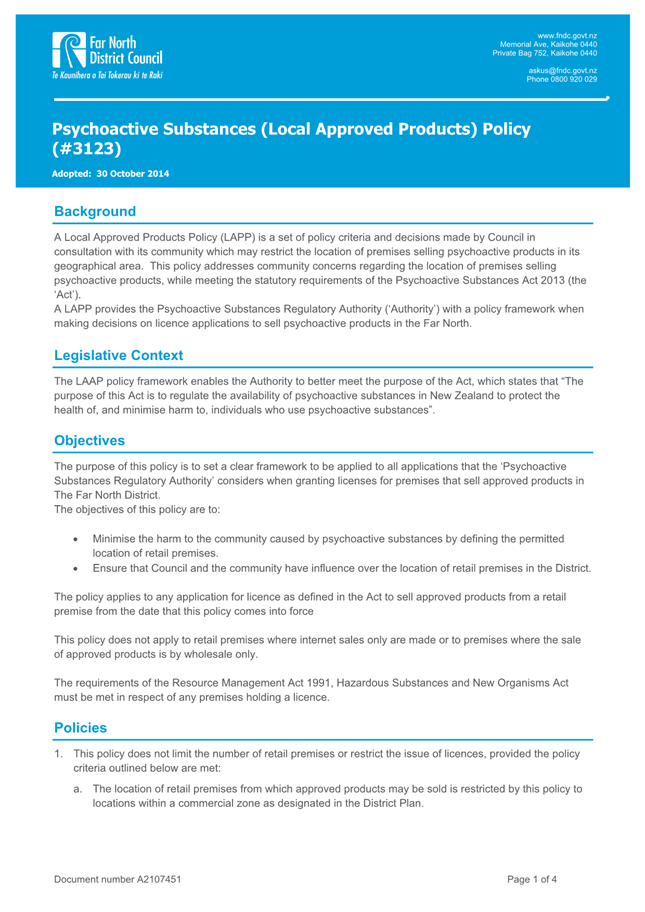
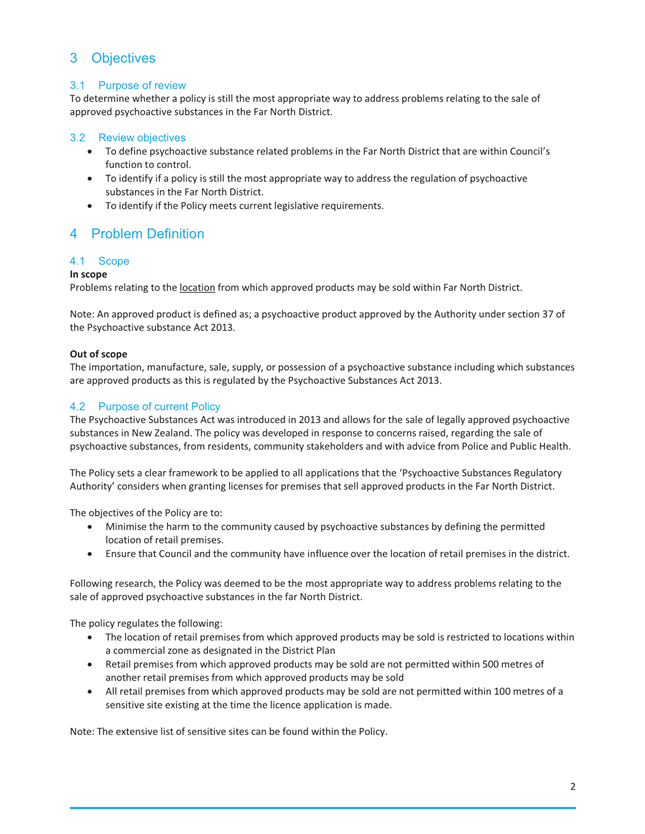
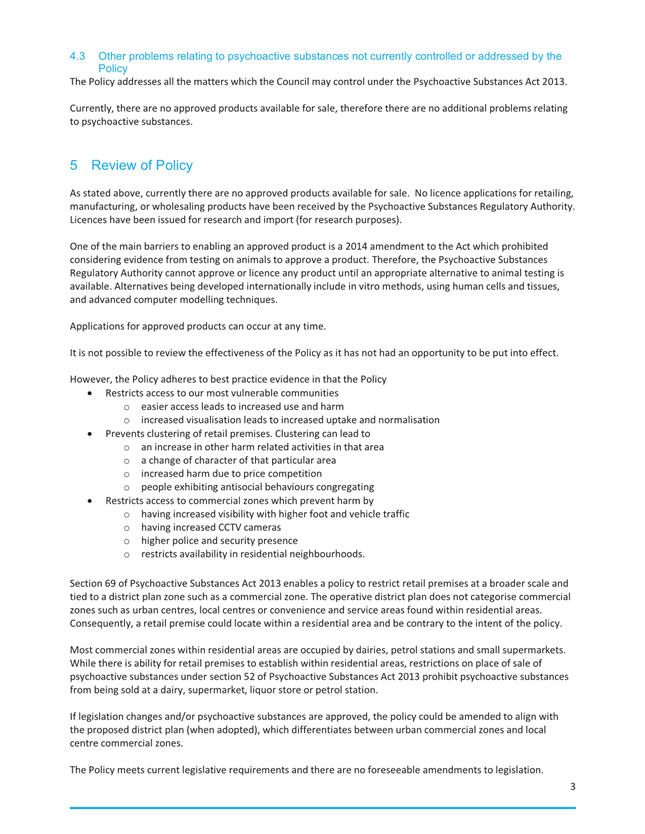
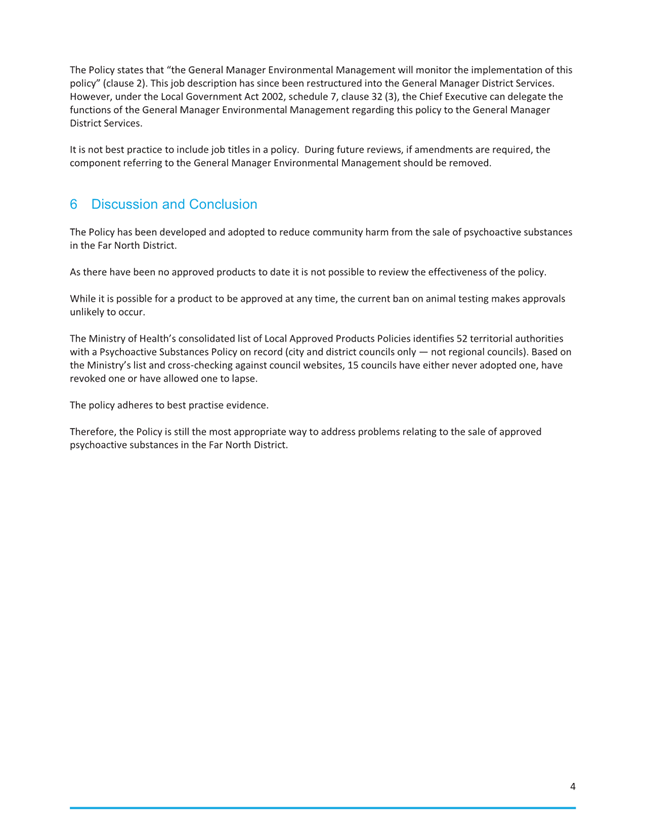
5.1 Psychoactive
Substances Local Approved Products Policy Review
File
Number: A5585710
Author: Shayne
Storey, Team Leader - Policy & Bylaws
Authoriser: Tammy
Wooster, Group Manager Planning and Policy
Take Pūrongo / Purpose of the Report
The purpose of this
report is for Te Kūkupa Committee for Strategy, Policy and Regulation to
recommend to Council, that the Psychoactive Substances Local Approved Products
Policy 2014 has been reviewed and should continue without amendment.
WhakarĀpopoto matua / Executive Summary
· On 20 May 2021, Council resolved that the Psychoactive Substances
Local Approved Products Policy (the Policy) (Attachment 1) had been reviewed
and should continue without amendment (2021/22, refers)
· The Policy is now due for review in May 2026
· There are currently no approved psychoactive products in New
Zealand. Although a product can be approved at any time, current legislation
makes approval unlikely
· The Policy aims to minimise the harm to the community caused by
psychoactive substances by defining the permitted location of retail premises
· The Policy adheres to best practice evidence
· The Policy should continue without amendment.
Note: An approved
product is defined as; a psychoactive product approved by the Authority
under section 37 of the Psychoactive Substances Act 2013.
|
tŪtohunga
/ Recommendation
That Te Kūkupa makes the following
recommendation to Council:
That
Council:
a) agree that the Psychoactive
Substances Local Approved Policy has been reviewed.
b) agree that the Psychoactive
Substance Local Approved Policy 2014 should continue without amendment.
|
1) TĀhuhu kŌrero / Background
The Psychoactive
Substances Local Approved Products Policy (the Policy) (Attachment 1) was made
in October 2014 utilising the Council’s discretionary functions under
section 66 of the Psychoactive Substances Act 2013.
The Policy is to be
considered by the Psychoactive Substances Regulatory Authority when determining
applications for licenses.
Under section 69 of the
Psychoactive Substance Act 2013, the Policy must be reviewed every five years.
The Policy is due for review by 20 May 2026.
The Psychoactive
Substances Act 2013 does not prescribe the process for the review. The only
requirement is to undertake the special consultative procedure under section 83
of the Local Government Act 2002 if amending or revoking the policy.
2) matapaki me NgĀ KŌwhiringa /
Discussion and Options
Council’s role
relating to psychoactive substances
The Council has little
authority over the sale of psychoactive substances as outlined below:
· Psychoactive products approved by the Ministry
of Health are a legal product.
· The regulation of retail premises selling
psychoactive substances (including the location) is enforced by the NZ Police
and the Ministry of Health.
· Licences are issued by the Psychoactive
Substances Regulatory Authority.
· The Council has no role in issuing licenses or
in enforcement.
· The Council cannot ban the sale of legally
approved products.
Under sections 66
– 69 of the Psychoactive Substance Act 2013, a policy may address the
following matters:
· the location of premises from which approved
products may be sold by reference to broad areas within the district.
· the location from which approved products may be
sold by reference to proximity to other premises from which approved products
are sold within the district.
· the location of premises from which approved
products may be sold by reference to proximity to premises or facilities of a
particular kind or kinds within the district (for example, kindergartens, early
childhood centres, schools, places of worship, or other community
facilities).
The
policy was developed in response to concerns raised regarding the sale of
psychoactive substances by residents and community stakeholders, as well as
advice from Police and Public Health.
Review findings
Staff have reviewed the
Psychoactive Substances (Local Approved Products) Policy, the full research
report is in Attachment 2. A summary is provided below.
It is not possible to
review the effectiveness of the Policy as it has not had an opportunity to be
put into effect due to the fact that there are no currently approved products.
No licence applications
for retailing, manufacturing, or wholesaling products have been received by the
Psychoactive Substances Regulatory Authority. Evidence from animal
testing was prohibited in 2014. Therefore, the Regulatory Authority cannot
approve or licence any product until an alternative to animal testing is
available.
Alternatives are in
development, including in vitro methods, using human cells and tissues, and
advanced computer modelling techniques. Therefore, applications for approved
products can still occur at any time. However, the
Authority considers it highly unlikely that any products will be approved in
the foreseeable future under current legislation.
The policy adheres to
best practise evidence and meets current legislative requirements. The sensitive site definitions are in accordance with best
practice and will likely be interpreted by the Authority as intended.
The policy refers to a
job description (General Manager Environmental Management) that has been
restructured (to General Manager District Services). However, under the
Local Government Act 2002, schedule 7, clause 32 (3), the Chief Executive can
delegate the functions of the General Manager Environmental Management
regarding this policy to the General Manager District Services.
Any amendments to the policy,
including minor amendments, or revocation, will need to undergo a special
consultation procedure under section 83 of the Local Government Act 2002.
Option One: Status quo: The Policy stays in force with no changes (recommended
option)
Policy follows best
practice and meets current legislative requirements. Delegations are in place
to ensure continued monitoring of policy implementation.
A product can be
approved at any point in time.
Advantage and
disadvantages of keeping the provisions of the policy
|
Advantages
|
- A Policy is already in place if a
product is approved requiring:
- approved products to be restricted to commercial zones.
- approved products not to be sold near sensitive sites, preventing
the normalisation of psychoactive substances to children.
- More cost effective in that there will
be less consultation costs than if the Policy was revoked and a product was
approved requiring a new policy in the future.
|
|
|
|
|
Disadvantages
|
- Policy continues to have provisions
that are unnecessary because there are no approved products.
|
Option Two: Revoke
the Policy
As there are currently
no approved products, the policy could be revoked, and a new policy developed
if/when a product is approved. Developing a new policy takes 12 to 18 months.
Advantages and
disadvantages of revoking the Policy
|
Advantages
|
- Removing provisions that are
unnecessary because there are no approved products.
|
|
|
|
|
Disadvantages
|
- Extra consultation and resource costs
in revoking and developing a new policy when a product is approved.
|
|
|
- Risk of approved products being able to
be sold at any location if a new policy is not developed in time.
|
|
|
- Reputational risk as it may appear
the Council is not being proactive in preventing community harm.
|
TAKE TŪTOHUNGA
/ REASON FOR THE RECOMMENDATION
The policy adheres to
best practise evidence. Therefore, the Policy is still the most appropriate way
to address problems relating to the sale of approved psychoactive substances in
the Far North District.
Next steps
If the Council agrees
with the recommendation, that the Policy stays in force without amendment, no
further actions are required.
3) PĀnga PŪtea me ngĀ
wĀhanga tahua / Financial Implications and Budgetary Provision
No further actions are
required. The cost of monitoring the implementation of the policy will be met
from existing operating budgets.
Āpitihanga
/ Attachments
1. psychoactive-substances-local-approved-products-policy-2014
(1) - A5592982 ⇩ 
2. Psychoactive
Substances Policy-Research Report 2026 - A5593035 ⇩
Hōtaka Take Ōkawa / Compliance Schedule:
Full consideration has been given to the provisions of the
Local Government Act 2002 S77 in relation to decision making, in particular:
1. A
Local authority must, in the course of the decision-making process,
a) Seek
to identify all reasonably practicable options for the achievement of the
objective of a decision; and
b) Assess
the options in terms of their advantages and disadvantages; and
c) If
any of the options identified under paragraph (a) involves a significant
decision in relation to land or a body of water, take into account the
relationship of Māori and their culture and traditions with their
ancestral land, water sites, waahi tapu, valued flora and fauna and other
taonga.
2. This
section is subject to Section 79 - Compliance with procedures in relation to
decisions.
|
He Take Ōkawa /
Compliance Requirement
|
Aromatawai Kaimahi /
Staff Assessment
|
|
State the level of significance (high or low) of the
issue or proposal as determined by the Council’s
Significance and Engagement Policy
|
As retaining the status quo will have
little effect on ratepayers or level of service, the level of significance as
determined by the Significance and Engagement Policy is
low. Under the psychoactive Substances Act 2013, consultation is
not required if the Policy continues without amendment.
|
|
State the relevant Council policies (external or
internal), legislation, and/or community outcomes (as stated in the LTP) that
relate to this decision.
|
The Psychoactive Substances Act 2013
sections 66-69 apply to the decision recommended in this report.
|
|
State whether this issue or proposal has a District wide
relevance and, if not, the ways in which the appropriate Community
Board’s views have been sought.
|
As the recommendation is to maintain
status quo, the Community Boards views have not been sought.
|
|
State the
possible implications for Māori and how Māori have been provided
with an opportunity to contribute to decision making if this decision is
significant and relates to land and/or any body of water.
State the
possible implications and how this report aligns with Te Tiriti o Waitangi /
The Treaty of Waitangi.
|
This decision is not significant and
does not relate to land and/or any body of water.
|
|
Identify persons likely to be affected by or have an
interest in the matter, and how you have given consideration to their views
or preferences (for example – youth, the aged and those with
disabilities).
|
Affected and
interested parties were given an opportunity to share their views and
preferences during the development of the Policy including:
· community groups
concerned with psychoactive substances.
· Ngā Tai
Ora – Public Health Northland.
· Ministry of
Health.
·
New Zealand Police.
|
|
State the financial implications and where budgetary
provisions have been made to support this decision.
|
The cost of monitoring the
implementation of the policy will be met from existing operating budgets.
|
|
Chief Financial Officer review.
|
The Chief Financial Officer has
reviewed this report.
|
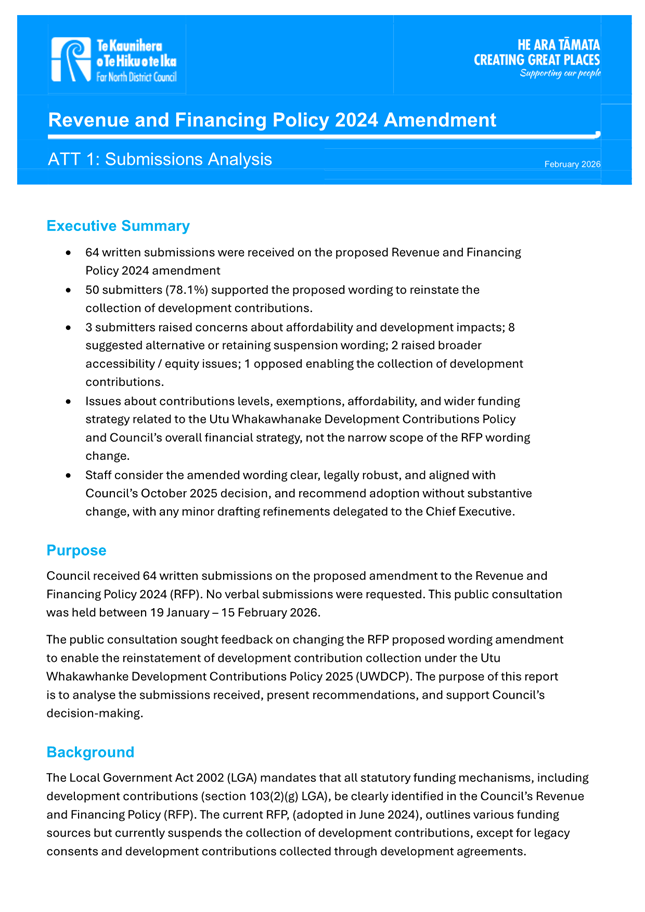
5.2 Revenue
and Financing Policy Amendment Adoption
File
Number: A5571901
Author: Virginia
Smith, Policy Advisor
Authoriser: Tammy
Wooster, Group Manager Planning and Policy
Take Pūrongo / Purpose of the Report
To adopt the procedural amendment to the Revenue and
Financing Policy 2024 that enables the collection of development contributions
under the Utu Whakawhanake Development Contributions Policy 2025, and to
receive the analysis of submissions on the proposed amendment.
WhakarĀpopoto matua / Executive Summary
· Under section 102(4) of the Local Government Act 2002 (LGA),
Council’s intention for collecting development contributions must be set
out in the Revenue and Financing Policy as a funding tool
· On 7 October 2025 (2025/136, refers) Council adopted the Utu
Whakawhanake Development Contributions Policy 2025, solidifying its decision to
use development contributions as a funding tool for growth related capital
expenditure[1]
· On 11 December 2025 (2025/134, refers) Council adopted the public
Consultation Document that proposed the procedural amendment to the Revenue and
Financing Policy 2024 (RFP) to enable lawful collection of development
contributions
· Public consultation on the proposed amendment was held between 19
January and 15 February 2026
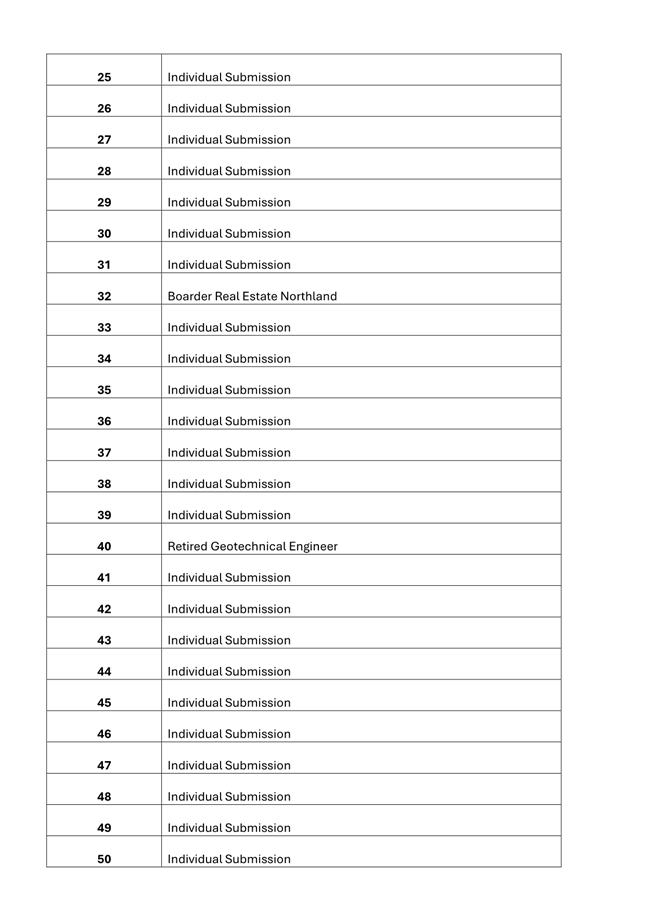
· 64 written submissions were received on the proposed Revenue and
Financing Policy 2024 amendment; no verbal submissions were requested
· 50 submitters (78.1%) support the proposed wording to reinstate the
collection of development contributions
· Of the 14 “Other” responses, one explicitly opposed
enabling development contributions, some suggested alternative or suspension
wording, and others raised broader issues such as affordability, exemptions and
accessibility that were out of the scope for this consultation
· Staff have completed an analysis of submissions and recommend the
proposed amendment without changes.
· Information to support Council’s decision-making processes,
legislative, policy, and strategic context for the publicly consulted amendment
to the Revenue and Finance Policy can be found in the Revenue and Financing
Policy Amendment agenda item and attachments, presented to and determined by
Council at its 11 December 2025 Ordinary Council Meeting[2]
· This report provides an overview of the Submission Analysis Report (Attachment
1).
|
tŪtohunga
/ Recommendation
That Te Kūkupa Committee for Strategy,
Policy and Regulation recommend that Council:
a) receive
the Revenue and Financing Policy 2024 Amendment – Submissions Analysis
Report in Attachment 1.
b) adopt
the amendment to the Revenue and Financing Policy 2024 as set out in
Attachment 2.
c) resolve
that the amended Revenue and Financing Policy 2024 takes effect from 17 April
2026.
d) authorise
the Chief Executive to make any necessary minor drafting or presentation
amendments to the Revenue and Financing Policy 2024 to correct errors or
omissions, or to reflect the decisions made by Council prior to final
publication and public release.
|
1) TĀhuhu kŌrero / Background
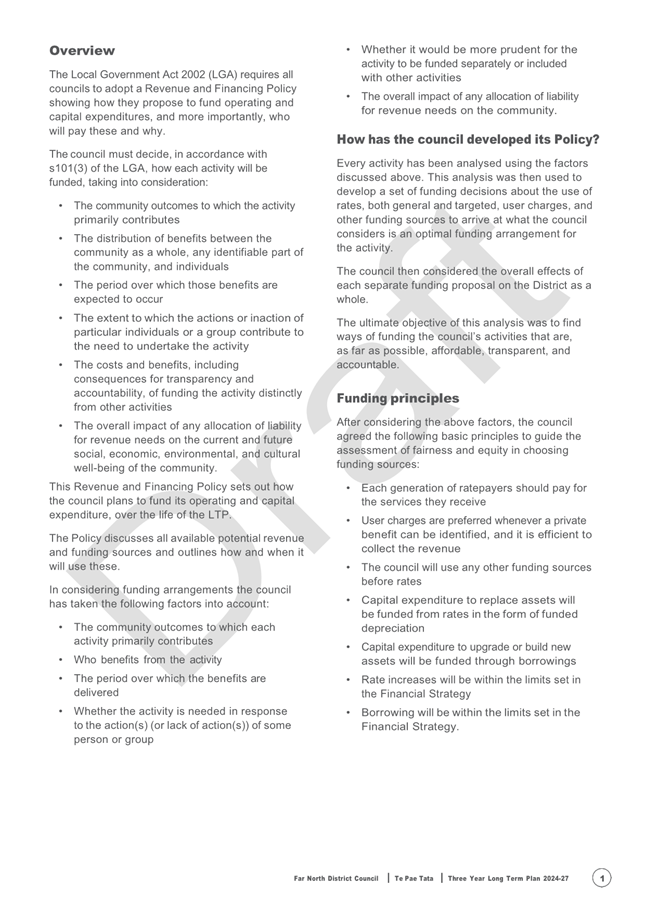
The Local Government Act 2002 (LGA)
mandates that all statutory funding mechanisms, including development
contributions (section 103(2)(g) LGA), be clearly identified in the
Council’s Revenue and Financing Policy (RFP). The current RFP, adopted in
June 2024, outlines various funding sources but currently suspends the
collection of development contributions, except for legacy consents and
development contributions collected through development agreements.
To implement the new UWDCP, set to commence on 29 May 2026,
an amendment to the RFP is legally necessary. Failure to amend the RFP exposes
Council to potential legal risks and growth-related capital works
infrastructure funding shortfalls.
On 11 December 2025 Council adopted
the consultation document that proposed the procedural amendment to the RFP.
Public consultation was held between 15 January and 19
February 2026. This report provides the results and analysis of that
consultation with recommendations.
For completeness and to avoid duplication, all supporting
evidence to justify Council’s decision to make the amendment to the RFP
were provided to Council at its the 11 December 2025 Council meeting[3]. The amendment to
the RFP aligns with legislative requirements and helps maintain the integrity
of the Council’s financial framework.
Below is a comprehensive timeline of the Revenue and
Financing Policy (Table 1).
Table
1: Revenue and Financing Policy Timeline
|
Far North District Council – Revenue and Financing
Policy timeline
|
|
Date
|
Event
|
|
2012
-2015
|
The
Revenue and Financing Policy (RFP) was maintained and updated for clarity and
funding changes as part of the 2012 – 2022 Long Term Plan.
|
|
2015
|
At
the review of the 2015 LTP cycle, Council suspended the charging of new
development contributions, maintaining them only for consents already
granted. The RFP text was amended to reflect this suspension.[4]
|
|
2018
|
Council
reviewed the RFP as part of the 2018 Long Term Plan update. Changes were made
but only to realign it to legislative requirements.
|
|
12 March 2024
|
Draft
changes were presented to Council addressing the evolving funding principles
and public feedback in anticipation of the 2024 Long Term Plan.[5] The RFP
amendments were endorsed as part of Te Pae Tata Long Term Plan 2024-2027.[6]
|
|
26 June 2024
|
The
RFP was adopted[7] as
part of the Te Pae Tata Long Term Plan 2024 - 2027[8]. It continued the suspension
of development contributions for new consents but updated its provisions in
anticipation of statutory reforms.
|
|
14 November 2024
|
Council
undertook a review[9] of
its Development Contributions Policy to consider collection reactivation. At
that same meeting Council determined to draft a new development contributions
policy and reinstate the collection of development contributions to help fund
its Capital expenses.[10]
|
|
July 2025
|
The
Draft UWDCP was adopted by Council for statutory public consultation process.[11]
|
|
7 October 2025
|
Council
adopted the UWDCP 2025 with Council resolving a May 2026 commencement date.[12]
|
|
October 2025
|
Staff
commenced work on the procedural RFP amendments required to enable lawful
collection of development contributions from 29 May 2026.
|
|
11 December 2025
|
Public
consultation process and proposed amendments to the RFP adopted.[13]
|
|
19 January –
15 February 2026
|
Public
consultation period.
|
|
Current
|
Decision
to adopt and amend the Revenue and Financing Policy 2024.
|
This report presents the Revenue and Financing Policy 2024
submission analysis, and corresponding recommendation for Council to adopt the
amended Revenue and Financing Policy 2024.
2) matapaki me NgĀ KŌwhiringa /
Discussion and Options
Results from public consultation held between 19
January and 15 February 2026.
Method and Scope used
Percentages below are
calculated from the submitter response field “we would like to know
whether you:
· Option
1: Yes, I support the proposed wording” as support, and
· Option
2: “Other” as not-support / does not support / unclear.
“Out of
scope” is assessed as the response did not provide alternative wording or
did not speak to the amendment directly.
Results:
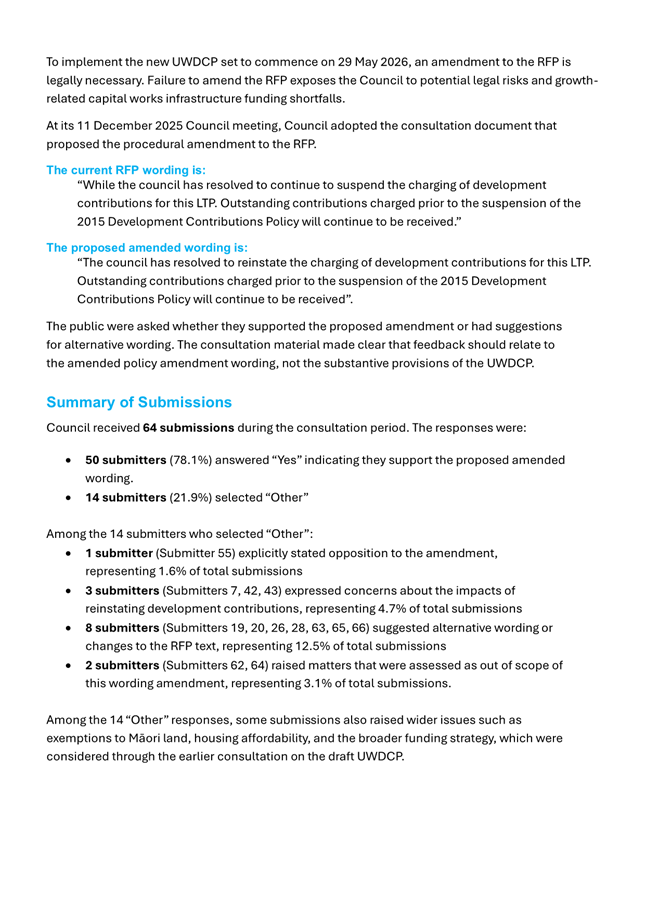
Council received 64
submissions during the consultation period. The responses were:
50 submitters
(78.1%) answered “Yes” indicating they support the proposed amended
wording.
14 submitters
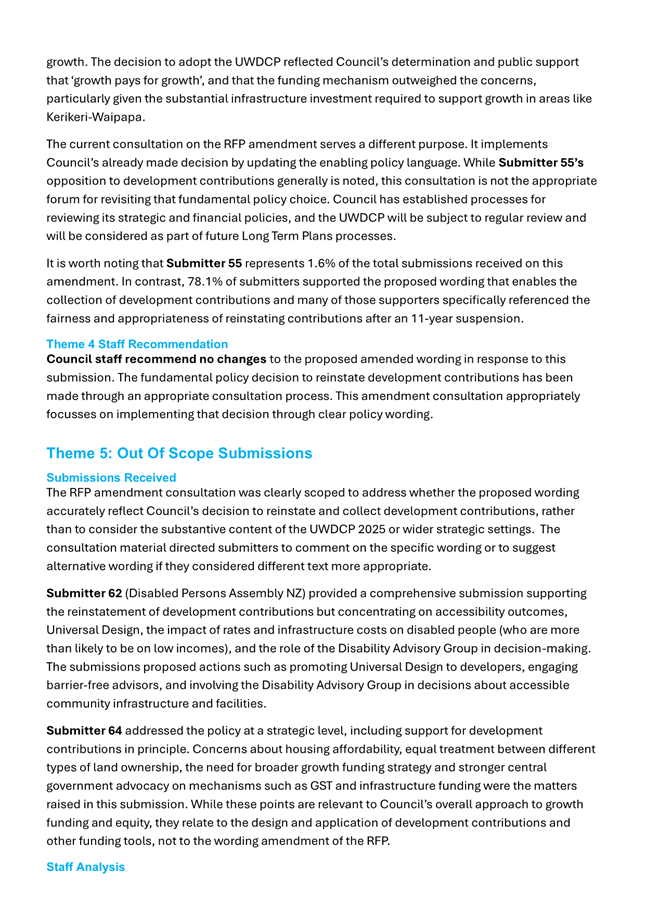
(21.9%) selected “Other”.
Among the 14 submitters
who selected “Other”:
1 submitter
(Submitter 55) explicitly stated opposition to the amendment, representing 1.6%
of total submissions.
3 submitters (Submitters
7, 42, 43) expressed concerns about the impacts of reinstating development
contributions, representing 4.7% of total submissions.
8 submitters
(Submitters 19, 20, 26, 28, 63, 65, 66) suggested alternative wording or
changes to the RFP text, representing 12.5% of total submissions.
2 submitters (Submitters
62, 64) raised matters that were assessed as out of scope of this wording
amendment, representing 3.1% of total submissions.
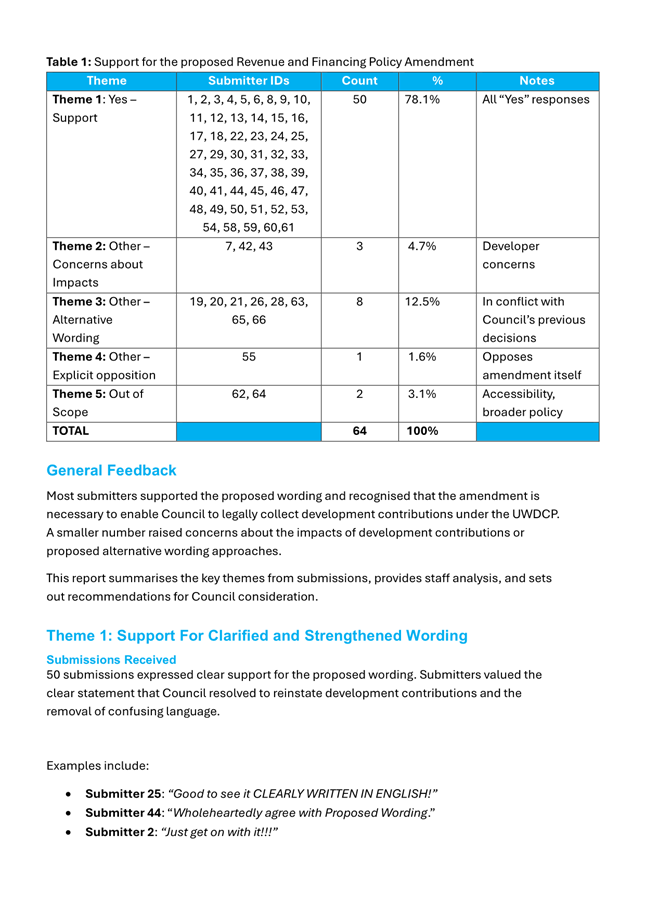
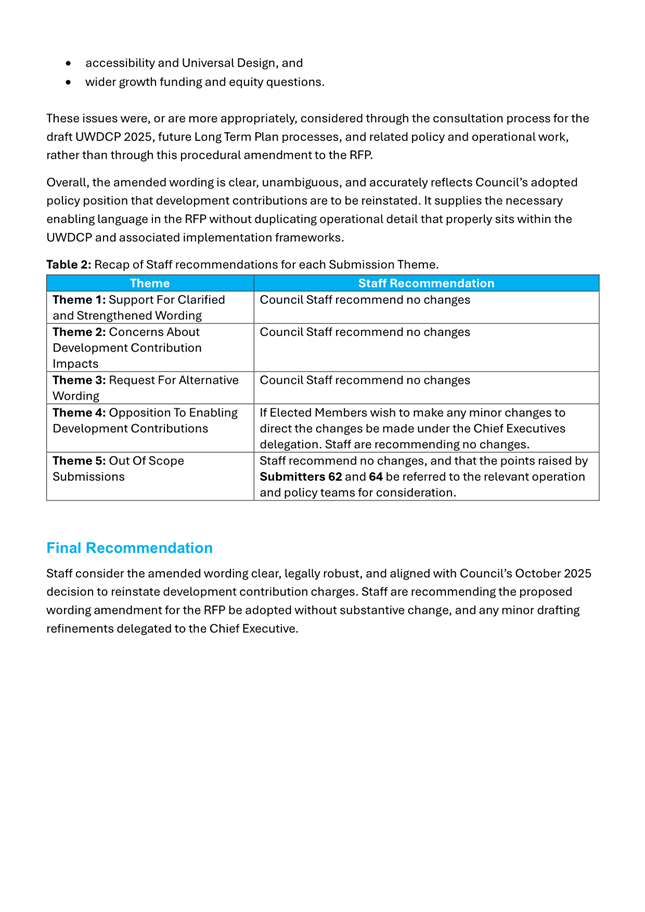
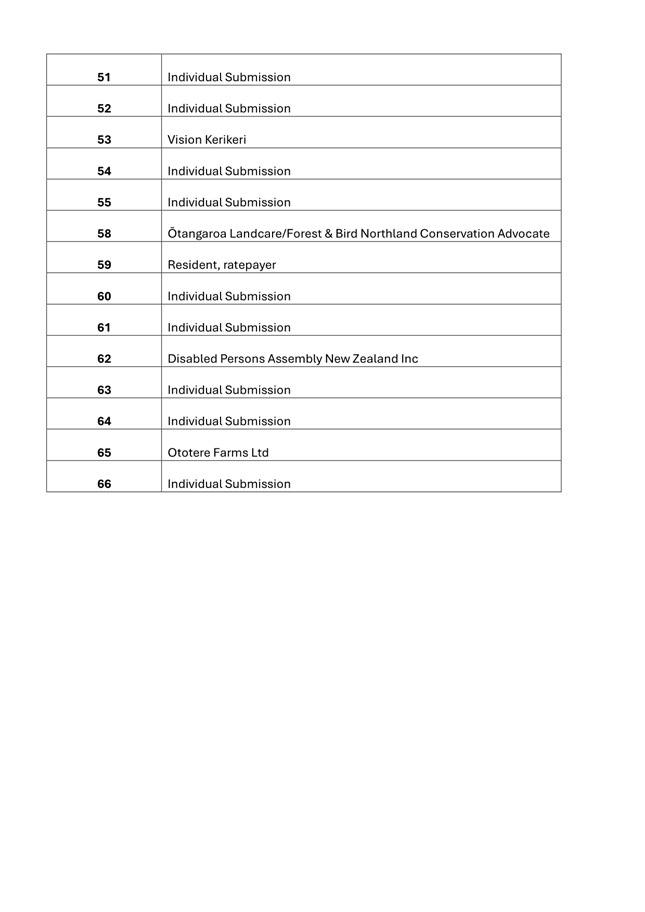
A detailed breakdown of
submitters by theme is provided in Attachment 1 and in Table 2 for quick
reference.
Table 2: Support
for the proposed Revenue and Financing Policy Amendment
|
Theme
|
Submitter IDs
|
Count
|
%
|
Notes
|
|
Theme 1: Yes – Support
|
1, 2, 3, 4, 5, 6, 8, 9, 10, 11, 12, 13, 14, 15, 16, 17,
18, 22, 23, 24, 25, 27, 29, 30, 31, 32, 33, 34, 35, 36, 37, 38, 39, 40, 41,
44, 45, 46, 47, 48, 49, 50, 51, 52, 53, 54, 58, 59, 60,61
|
50
|
78.1%
|
All “Yes” responses
|
|
Theme 2: Other – Concerns about Impacts
|
7, 42, 43
|
3
|
4.7%
|
Developer concerns
|
|
Theme 3: Other – Alternative Wording
|
19, 20, 21, 26, 28, 63, 65, 66
|
8
|
12.5%
|
In conflict with Council’s previous decisions
|
|
Theme 4: Other – Explicit opposition
|
55
|
1
|
1.6%
|
Opposes amendment itself
|
|
Theme 5: Out of Scope
|
62, 64
|
2
|
3.1%
|
Accessibility, broader policy
|
|
TOTAL
|
|
64
|
100%
|
|
Out of Scope within
non-support for the proposed amended wording
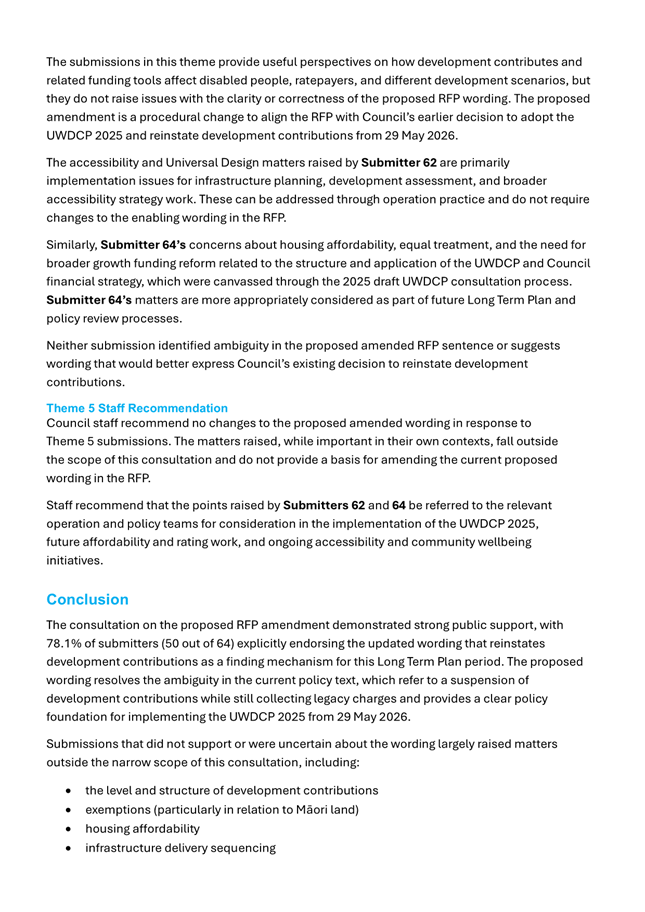
Within the 14
‘Other’ submissions 57.2% (8 of 14) were assessed as out of scope
because they address matters beyond the specific wording amendment that was
subject of consultation. These submissions primarily discussed the substantive
provisions of the UWDCP itself, such as exemptions to Māori land, concerns
about housing affordability, and broader funding strategy matters. These issues
had been addressed through the comprehensive consultation process that occurred
for the draft UWDCP between August and October 2025. This consultation
attracted 257 submissions and resulted in the adoption by Council of that
Policy.
General Feedback
The consultation on the
proposed RFP amendment drew submissions that reflected strong support for the
amended wording, with many submitters recognising the importance of clear,
unambiguous policy language that accurately reflects Council’s decision
to reinstate development contributions. A smaller portion of submissions raised
concerns about the implications of reinstating development contributions that
were determined to be out of scope or suggested alternative wording approaches
that contradicted Council’s position.
Key Themes
Theme 1:
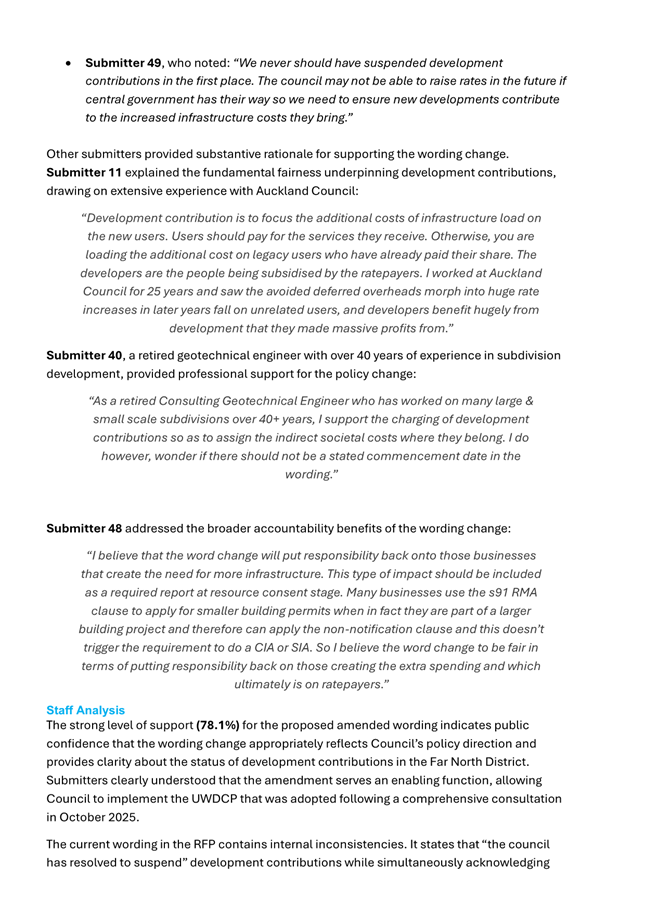
Strong support and clarity:
Many submitters welcomed the clearer language of the
proposed amendment and supported the principle that “growth pays for
growth”, citing fairness to existing ratepayers and the need to fund
growth-related infrastructure.
Recommendation: No changes to the
proposed wording are recommended in response to submissions supporting the
clarification. The level and quality of support demonstrates that the proposed
wording meets its intended purpose.
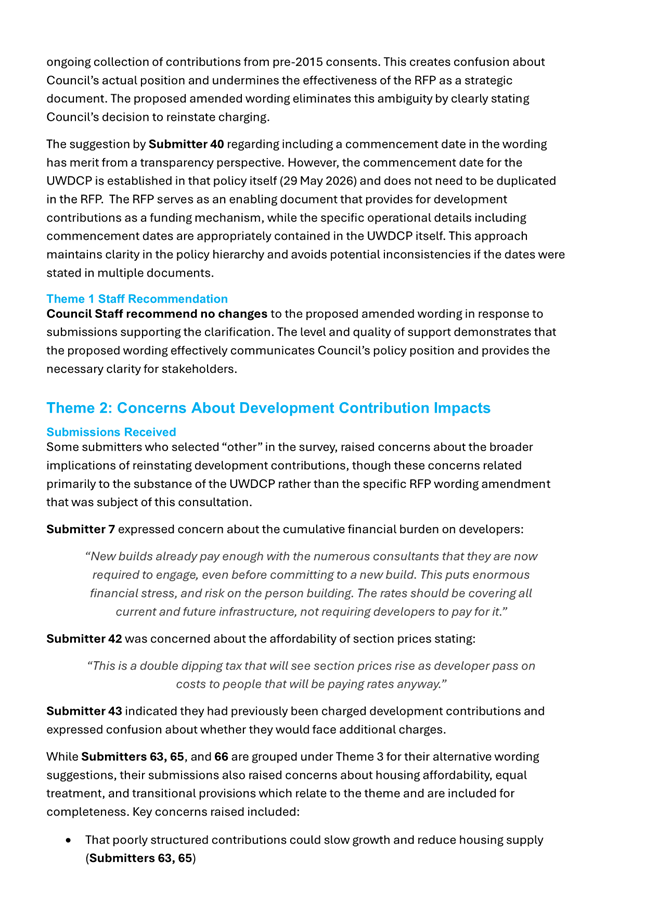
Theme 2:
Concerns about impacts:
“Other”
submitters raised concerns about development viability, affordability,
treatment of Māori land, and infrastructure delivery sequencing. These
matters were considered and determined by Council through the 2025 special
consultation process on the draft UWDCP. These submission points were assessed
as being out of scope of this consultation process.
“New builds
already pay enough with the numerous consultants that they are now required to
engage, even before committing to a new build. This puts enormous financial
stress, and risk on the person building. The rates should be covering all
current and future infrastructure, not requiring developers to pay for
it” – Submitter 7
“This is a
double dipping tax that will see section prices rise as developer pass on costs
to people that will be paying rates anyway.” – Submitter 42
Recommendation: No changes to the
proposed wording are recommended. The concerns raised, while sincerely held,
were addressed through the comprehensive Development Contributions Policy
consultation and adoption process.
Theme 3:
Alternative wording requests:
Some “Other” submitters either supported
retaining the current wording or proposed wording that would also continue the
suspension of development contributions and add aspirational objectives. The
retention of current wording or alternative wording would contradict the
decision of Council to reintroduce development contribution collection under
the UWDCP and not appropriate content for a technical funding policy.
“use the old
wording” – Submitter 19
“The council
will continue to suspend the charging of development contributions for this LTP
period while prioritising efficient infrastructure delivery, affordability, and
growth-enabling policies. Outstanding contributions charged prior to the suspension
of the 2015 Development Contributions Policy will continue to be
received.” – Submitters 63, 65 and 66
Recommendation: No changes to the
proposed wording are recommended. The alternative wording suggested would
contradict Council's adopted policy and introduce inappropriate content into
the Revenue and Financing Policy.
Theme 4:
Opposition to Enabling Development Contributions
One submitter explicitly opposed the amendment based on not
wanting the Council to collect or implement the newly adopted UWDCP.
“I do not support amending the Finance and
Revenue Policy because the amendments effect is to enable Development
Contributions-.” – Submitter 55
Recommendation: No changes to the
proposed wording are recommended. The fundamental policy decision has been made
through an appropriate process, and this amendment appropriately implements
that decision.
Theme 5:
Submissions Outside Consultation Scope
Many of the “Other” submissions addressed
matters outside the scope of this consultation. A detailed submission on
accessibility, universal design, and disability impacts are acknowledged in the
analysis report (Attachment 1); however, the matters raised were
identified as being operational in nature, with the analysis report
recommending having these matters referred to relevant operational teams rather
than altering the RFP wording.
Recommendation: No changes to the
proposed wording are recommended. The important perspectives raised should be
addressed through appropriate operational channels rather than through
amendment to the Revenue and Financing Policy wording.
Options
|
Option
|
Advantages
|
Disavantages
|
|
1. Status quo
(retain current wording and maintain suspension of development contributions)
|
· No
change required
|
· Contradicts
Council’s resolution to adopt the UWDCP 2025
· Creates
legal uncertainty and ambiguity about Council’s ability to collect
development contributions under the UWDCP 2025
· Prevents
implementation of UWDCP 2025
· Undermines
the consultation processes and strong support for reinstating development
contributions as a funding mechanism.
|
|
2. Adopt the amended
wording as proposed
(Recommended Option)
|
· Accurately
reflects Council’s adopted policy position to reinstate development
contributions under the UWDCP 2025
· Supported
by 50 of 64 submitters (78.1%), demonstrating strong public confidence that
the wording is appropriate and reaffirming support for Council’s
decision to reinstate development contributions
· Removes
ambiguity in the current RFP wording and provides clarity and certainty for
developers, ratepayers, and staff
· Enables
implementation of the UWDCP 2025 from 29 May 2026
· Achieve
statutory compliance by clearly identifying development contributions as a
funding mechanism under the LGA.
|
· Does
not address all submitter concerns, although most of those concerns relate to
matters outside the scope of this wording amendment
· Opposed
by one submitter (1.6% of submissions).
|
|
3. Adopt alternative
wording as suggested by some submitters
|
· Addresses
concerns of a small number of submitters who sought alternative or suspension
wording.
|
· Contradicts
Council’s previous decision to reinstate development contributions as a
funding tool through the UWDCP 2025
· Creates
confusion between the RFP and UWDCP 2025 and would not align to statutory
direction or best practice for financial policies under the LGA.
· Introduces
inappropriate aspirational content into technical funding policy
· Would
require re-consultation.
|
Staff recommend OPTION
2 – Adopt the amended wording as proposed.
TAKE TŪTOHUNGA
/ REASON FOR THE RECOMMENDATION
The recommendation to
adopt the amended wording as proposed (Option 2) is supported by the following
key factors:
· Strong Public support: 50 of 64
submitters (78.1%) explicitly supported the proposed wording, with only 1
submitter (1.6%) opposing the amendment itself, as detailed in Attachment 1
· Policy Coherence: The amended wording
accurately implements Council's 7 October 2025 decision to adopt the UWDCP 2025
and removes the contradiction between the current RFP wording that signals
suspension and Council’s actual position to reinstate development contributions
· Legal Clarity: The amendment provides a
clear, unambiguous policy foundation for charging development contributions as
directed under sections102 and 103 of the LGA, reducing the risk of challenge
and providing certainty for all stakeholders
· Appropriate Scope: Substantive matters
relating to the design and application of development contributions were
considered through the August 2025 special consultative process on the draft
UWDCP 2025; this amendment appropriately focuses on implementing that decision
through the RFP
· Making changes to accommodate concerns raised in the submissions
would be inappropriate.
3) PĀnga PŪtea me ngĀ
wĀhanga tahua / Financial Implications and Budgetary Provision
Adopting the amendment to
the RFP has no direct cost implications. The amendment is a procedural change
that enables the implementation and collection of development contributions
under the UWDCP 2025, which will create a new revenue stream to offset the
infrastructure required to support growth.
If the amendment were not
adopted, growth related infrastructure would need to be funded through
alternative mechanisms such as rates or debt, which is inconsistent with the
Council’s “growth pays for growth” approach signalled through
the UWDCP 2025 and the Long Term Plan.
Āpitihanga
/ Attachments
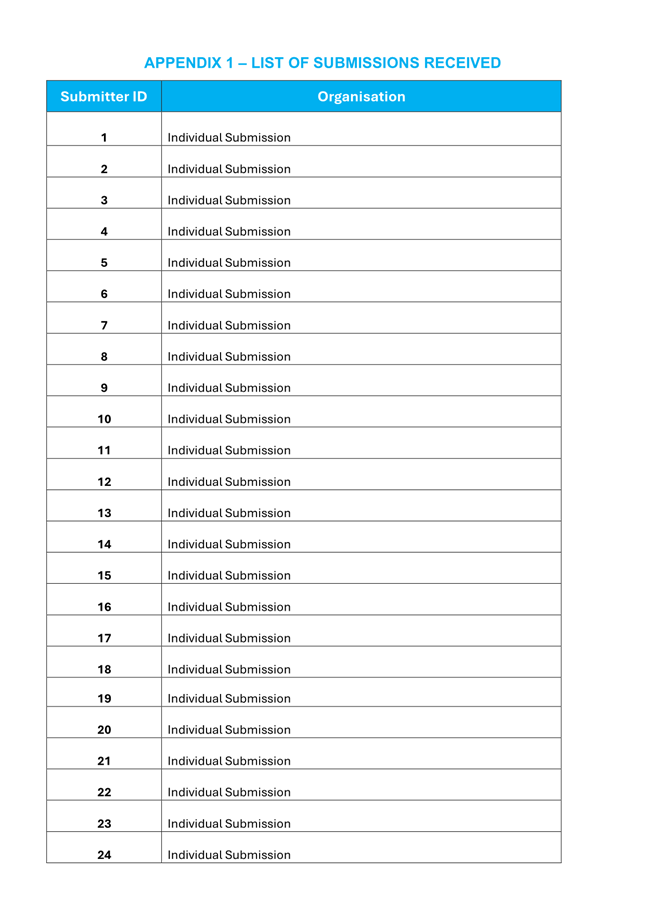
1. Att
1 Revenue and Financing Policy 2024 Amendment Submission Analysis - A5599802 ⇩
2. Att
2 Clean version of amended Revenue and Financing Policy 2024 - A5469062 ⇩
Hōtaka Take Ōkawa / Compliance Schedule:
Full consideration has been given to the provisions of the
Local Government Act 2002 S77 in relation to decision making, in particular:
1. A
Local authority must, in the course of the decision-making process,
a) Seek
to identify all reasonably practicable options for the achievement of the
objective of a decision; and
b) Assess
the options in terms of their advantages and disadvantages; and
c) If
any of the options identified under paragraph (a) involves a significant
decision in relation to land or a body of water, take into account the
relationship of Māori and their culture and traditions with their
ancestral land, water sites, waahi tapu, valued flora and fauna and other
taonga.
2. This
section is subject to Section 79 - Compliance with procedures in relation to
decisions.
|
He Take Ōkawa /
Compliance Requirement
|
Aromatawai Kaimahi /
Staff Assessment
|
|
State the level of significance (high or low) of the
issue or proposal as determined by the Council’s
Significance and Engagement Policy
|
The amendment has been assessed under the Significance
and Engagement Policy as medium significance. A section 82 LGA consultation
process was undertaken to ensure appropriate public engagement.
|
|
State the relevant Council policies (external or
internal), legislation, and/or community outcomes (as stated in the LTP) that
relate to this decision.
|
Local Government Act 2002 – legal compliance
Revenue and Financing Policy 2024 – Statutory
Policy
Utu Whakawhanake Development Contributions Policy 2025
– Statutory Policy
Te Pae Tata – Three Year Long Term Plan –
Financial Strategy
Annual Plan – forecasting and budgeting
adjustments
Infrastructure Plan.
|
|
State whether this issue or proposal has a District wide
relevance and, if not, the ways in which the appropriate Community
Board’s views have been sought.
|
The amendment has District-wide relevance, enabling
development contributions across all identified growth areas.
Community Board views were not specifically sought as
this is enabling policy amendment implementing an already adopted policy.
|
|
State the
possible implications for Māori and how Māori have been provided
with an opportunity to contribute to decision making if this decision is
significant and relates to land and/or any body of water.
State the
possible implications and how this report aligns with Te Tiriti o Waitangi /
The Treaty of Waitangi.
|
Māori and Hapū/Iwi
were given opportunity to contribute during consultation of the Utu
Whakawhanake Development Contributions Policy 2025 in mid-2025. That policy
includes exemptions for residential development on Māori land (as
defined under Te Ture Whenua Māori Act 1993) in recognitions of the
unique legal status and barriers to development of such land titles.
This Revenue and Financing Policy amendment enables
implementation of that adopted policy and does not alter those provisions.
|
|
Identify persons likely to be affected by or have an
interest in the matter, and how you have given consideration to their views
or preferences (for example – youth, the aged and those with
disabilities).
|
All ratepayers and developers in the Far North District
are potentially affected. Public consultation under section 82 LGA was
undertaken, generating 64 submissions that have been analysed and responded
to in this report and Attachment 1.
|
|
State the financial implications and where budgetary
provisions have been made to support this decision.
|
No additional budget required for the policy amendment
itself. Revenue implications of development contributions will be reflected
in the Long Term Plan financial forecasting.
|
|
Chief Financial Officer review.
|
The CFO has not reviewed this report
|
5.3 Submissions
on Government Reforms and Bills - Decision Making Processes
File
Number: A5637597
Author: Steve
Rylands, Senior Policy Advisor
Authoriser: Tammy
Wooster, Group Manager Planning and Policy
Take Pūrongo / Purpose of the Report
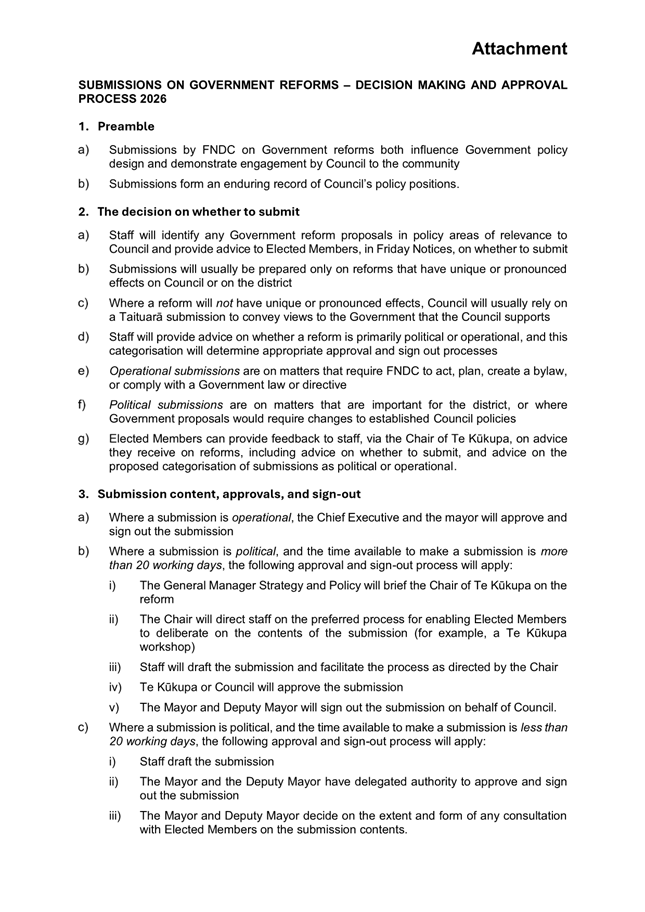
This report seeks the agreement of Te Kūkupa on
processes for:
· deciding
on whether Council should provide a submission on a Government Bill or reform
· approval
and sign out of these submissions.
WhakarĀpopoto matua / Executive Summary
· This report proposes processes for deciding when FNDC should submit
on Government Bills and reforms, and for approving and signing out those
submissions.
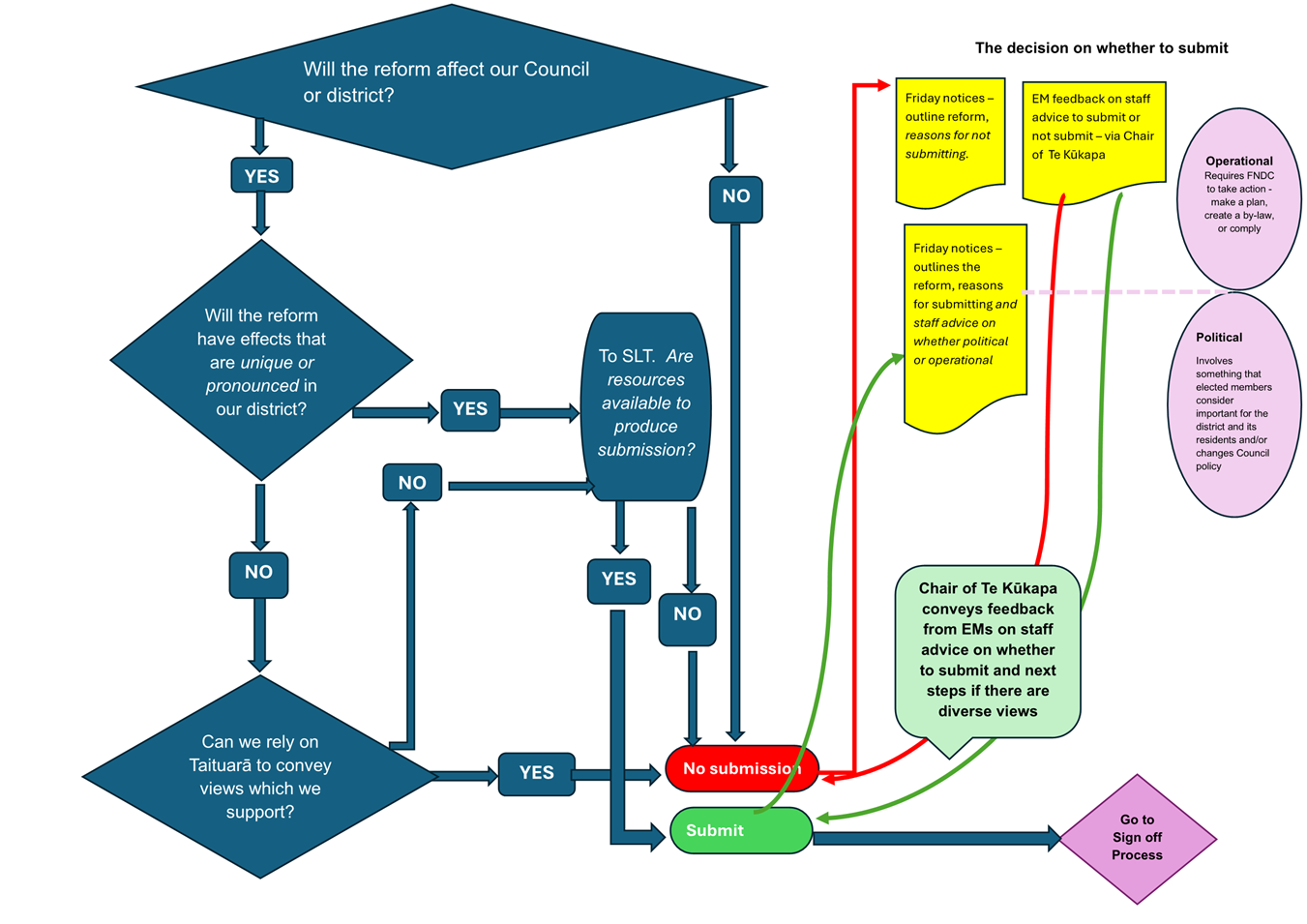
· It sets out a two-stage triage so that submissions are usually made
only where reforms have unique or pronounced effects on FNDC or on the Far
North district.
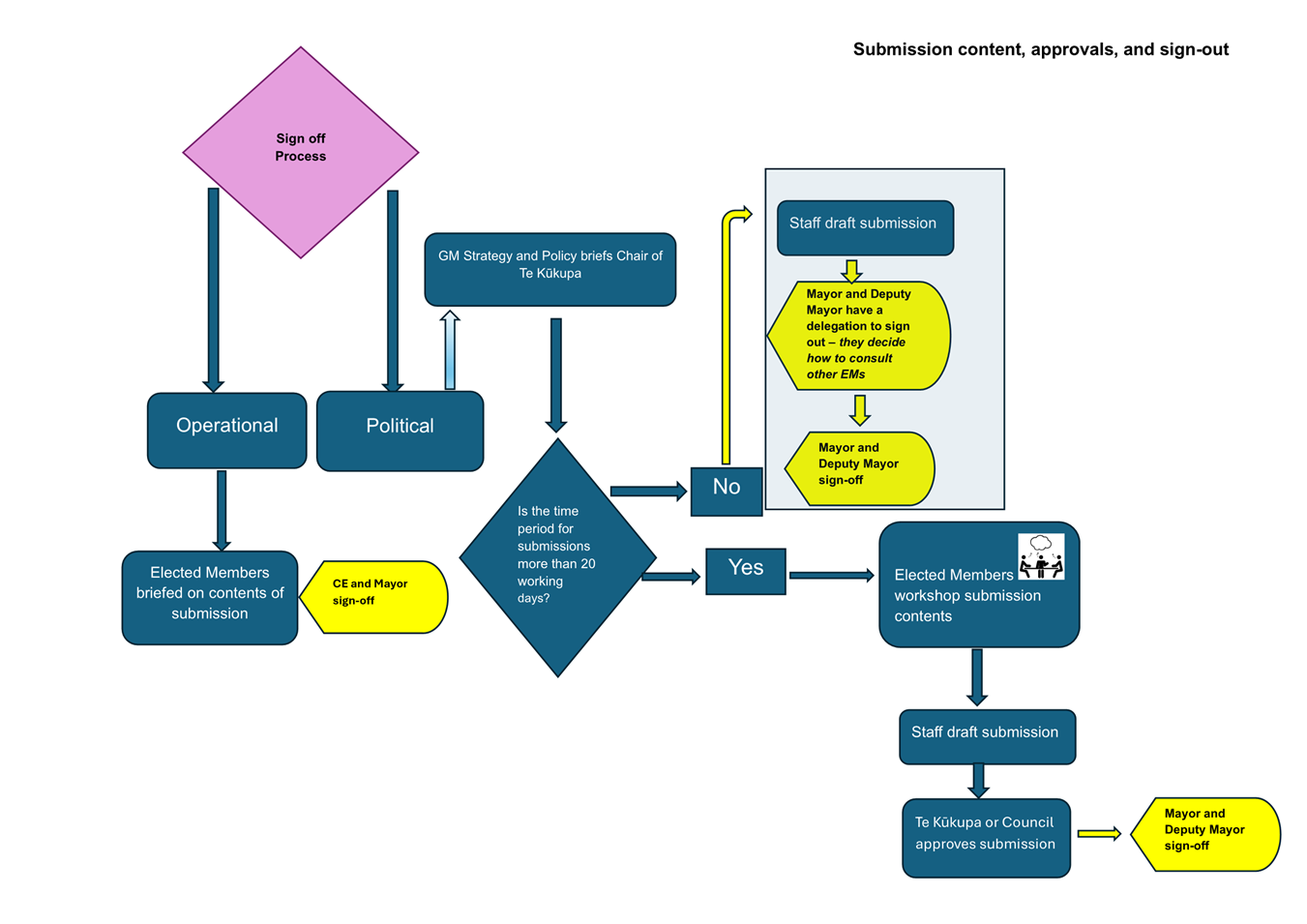
· The report distinguishes between “operational” and
“political” submissions, with different approval pathways to
reflect whether the reform is primarily about implementation or Council policy
positions.
· For operational submissions:
o Elected Members will be briefed on the submission.
o the Chief Executive and the Mayor will approve and sign out the
submission on behalf of Council.
· For political submissions:
o a full deliberative process will apply when more than 20 working
days are available to submit.
o a delegated authority for the Mayor and Deputy Mayor to approve
submissions when less than 20 working days are available to submit.
|
tŪtohunga
/ Recommendation
That Te Kūkupa recommend that Council approve
the Submissions on Government Reforms – Decision Making and
Approval Process 2026 as set out in the Attachment to this report.
|
1) TĀhuhu kŌrero / Background
The Objectives of Submissions
FNDC submissions on Government reforms can:
· influence
policy design by providing the Government or a Select Committee with
information about the effects of a proposed reform on the Far North district
and its communities
· demonstrate
engagement by showing the community that Council is actively
participating in debates that affect the district
· protect
Council's interests by placing on record Council's position on matters
that may have legal, financial, or operational consequences for FNDC.
As they form a permanent public record of Council's
positions, any submission that is inconsistent with adopted Council policy
could undermine Council's credibility or create legal difficulties. For this
reason, staff drafting submissions adhere strictly to adopted Council policies.
On 18 February, staff workshopped with Te Kūkupa
a two-stage triage process for:
· deciding whether Council should make
a submission on a Government reform
· determining the appropriate sign-off authority for submissions
on each of operational reforms and political reforms[14].
Te Kūkupa agreed in principle to these
processes, subject to:
· strengthened
provisions for Elected Members to provide staff
with feedback on whether to submit on a Bill
· clarity
about the process that should apply when there is curtailed time available to
approve a submission.
Staff were directed to
provide a report to Te Kūkupa recommending approval and
sign-out processes.
2) matapaki me NgĀ KŌwhiringa /
Discussion and Options
Deciding Whether to Submit: A Two-Stage Triage
Not every Government reform will warrant a submission from
FNDC. The council sector body Taituarā actively engages with the
Government reform programme on behalf of the local government sector and
regularly makes submissions on which we agree. Where the position of FNDC
aligns with that of Taituarā, it is generally sufficient to rely on the
Taituarā submission rather than duplicate effort with a separate FNDC
submission.
The proposed approach applies a two-stage triage before
committing resources to a submission.
Stage 1
– Is this reform relevant to FNDC?
Staff will monitor the pipeline of Government reform
proposals and identify those that are relevant to Council or to the district.
Staff will provide advice to Elected Members on each identified reform through
Friday Notices.
Stage 2
– Should we submit?
Where a reform clears Stage 1, the following questions will
determine whether to submit:
· Will
the reform uniquely affect FNDC or the Far North district?
o Where the district faces effects that are materially different from
those facing other councils, a separate FNDC submission is more likely to be
warranted
o If not, it is unlikely that a submission is needed.
· Can
FNDC rely on Taituarā? - Where Taituarā's submission will adequately
convey FNDC's views, a separate submission is generally not required
· Elected
Members are enabled to provide feedback on any advice they receive about
reforms — including advice on whether to submit — by raising their
views with the Chair of Te Kūkupa
o This provision has been included explicitly following feedback from
Elected Members at the workshop on 18 February.
Option 1
– Approve decision-making and approval processes (recommended)
Different Approval and Sign Out Processes for
Operational and Political Submissions
Operational
Submissions
Where a submission is operational, the process is
straightforward. Elected Members will be briefed on the submission. The Chief
Executive and the Mayor will approve and sign out the submission on behalf of
Council.
Political
Submissions – More than 20 Working Days Available
Where a submission is political and there is adequate time
to follow a full deliberative process, the following steps will apply:
· The
General Manager Strategy and Policy will brief the Chair of Te Kūkupa on
the reform
· The
Chair will direct staff on the preferred process for enabling Elected Members
to deliberate on the contents of the submission (for example, a Te Kūkupa
workshop)
· Staff
will draft the submission and facilitate the process as directed by the Chair
· Te
Kūkupa or Council will approve the submission
· The
Mayor and Deputy Mayor will sign out the submission on behalf of
Council.
This process ensures that Elected Members have meaningful
input into the content of political submissions before they are lodged.
Political Submissions
– 20 Working Days or Less Available
Occasionally, consultation timeframes are unusually short
— 20 working days or less from the opening of a consultation to the
deadline for submissions. This is not a standard timeframe. Most Government and
Select Committee consultation processes allow considerably more time. However,
where short timeframes occur on matters of political significance, the normal
deliberative process may be unachievable.
In these circumstances the following steps will apply:
· staff
draft the submission
· the
Mayor and Deputy Mayor decide on the extent and form of any consultation with
Elected Members on the submission contents
· the
Mayor and the Deputy Mayor have delegated authority to approve and sign out the
submission.
The approval process is workable within tight timeframes. It
avoids the need to convene extraordinary meetings of Te Kūkupa or Council
at short notice.
Option 2
– Do not approve decision-making and approval processes (not recommended)
This option is the status quo. Staff would continue to make
judgements about appropriate processes for approving submissions. However,
these processes rely on interpretation of previous practice. They lack the
authority provided by the formal approval of Elected Members. This option risks
episodic uncertainty by both staff and Elected Members about the processes for
approving submissions.
TAKE TŪTOHUNGA / REASON FOR THE
RECOMMENDATION
The recommendation will provide for clear, consistent
processes that govern how FNDC decides whether to submit on Government reforms,
how the content of those submissions is determined and who has authority to
approve and sign out submissions.
PĀnga PŪtea me ngĀ wĀhanga
tahua / Financial Implications and Budgetary Provision
The recommendations have no financial implications.
Āpitihanga
/ Attachments
1. Submissions
on Government Reforms – Decision Making and Approval Processes 2026 -
A5643392 ⇩ 
Hōtaka Take Ōkawa / Compliance Schedule:
Full consideration has been given to the provisions of the
Local Government Act 2002 S77 in relation to decision making, in particular:
1. A
Local authority must, in the course of the decision-making process,
a) Seek
to identify all reasonably practicable options for the achievement of the
objective of a decision; and
b) Assess
the options in terms of their advantages and disadvantages; and
c) If
any of the options identified under paragraph (a) involves a significant
decision in relation to land or a body of water, take into account the
relationship of Māori and their culture and traditions with their
ancestral land, water sites, waahi tapu, valued flora and fauna and other
taonga.
2. This
section is subject to Section 79 - Compliance with procedures in relation to
decisions.
|
He Take Ōkawa /
Compliance Requirement
|
Aromatawai Kaimahi /
Staff Assessment
|
|
State the level of significance (high or low) of the
issue or proposal as determined by the Council’s
Significance and Engagement Policy
|
As per the Significance and Engagement Policy, this
report has a low degree of significance.
|
|
State the relevant Council policies (external or
internal), legislation, and/or community outcomes (as stated in the LTP) that
relate to this decision.
|
Effective Council submissions that influence Government
policies can contribute to each of the community outcomes listed in the LTP,
e.g. prosperous communities supported by a sustainable economy.
|
|
State whether this issue or proposal has a District wide
relevance and, if not, the ways in which the appropriate Community
Board’s views have been sought.
|
The proposal has district wide relevance therefore the
views of Community Boards have not been sought.
|
|
State the
possible implications for Māori and how Māori have been provided
with an opportunity to contribute to decision making if this decision is
significant and relates to land and/or any body of water.
State the
possible implications and how this report aligns with Te Tiriti o Waitangi /
The Treaty of Waitangi.
|
There are no implications for Māori. The decision
in this report does not relate to land and / or any body of water.
|
|
Identify persons likely to be affected by or have an
interest in the matter, and how you have given consideration to their views
or preferences (for example – youth, the aged and those with
disabilities).
|
No persons will be affected.
|
|
State the financial implications and where budgetary
provisions have been made to support this decision.
|
There are no financial implications.
|
|
Chief Financial Officer review.
|
The CFO has not reviewed this report
|
5.4 Broadway
Kaikohe Placemaking Plan
File
Number: A5655955
Author: Tammy
Wooster, Group Manager Planning and Policy
Authoriser: Guy
Holroyd, Chief Executive Officer
Take Pūrongo / Purpose of the Report
To seek endorsement of the Broadway Kaikohe Placemaking Plan
from Te Kūkupa Committee for Strategy, Policy and Regulation, and
direction on whether the Committee supports the placemaking plan being
considered for endorsement by full Council.
WhakarĀpopoto matua / Executive Summary
This report:
o provides a summary of the
outcomes contained in the Broadway Kaikohe Placemaking Plan (the Plan) prepared
by consultants ĀKAU as part of the Broadway Placemaking Project
o overview of placemaking projects
undertaken or still in progress for Kaikohe
o details the resolution (2025/73) of the
Kaikohe Hokianga Community Board (KHCB), who endorsed parts of the plan at
their 8 August 2025 meeting and also:
§ approved
incorporating the Broadway Kaikohe Placemaking Plan into the Kaikohe-Hokianga
Community Board Strategic Plan 2023-2025, and
§ recommended
that Council also endorse the Broadway Kaikohe Placemaking Plan and approve its
inclusion in the 2027-2037 Long-Term Plan
o discusses why the KHCB wanted
the plan to be endorsed by Council and considered as part of the 2027-2037 Long
Term Plan (LTP)
o seeks direction from Te
Kūkupa on whether the plan should be taken to a Council meeting for
Councils consideration and potential endorsement.
|
tŪtohunga
/ Recommendation
That the Te Kūkupa Committee for Strategy, Policy
and Regulation:
a) endorse
the Broadway Kaikohe Placemaking Plan, excluding the section entitled the
Kaikohe Market Place, in Attachment 1
b) recommend
that Council also endorse the Broadway Kaikohe
Placemaking Plan.
|
1) TĀhuhu kŌrero / Background
At its meeting held on 19 July 2024,
the KHCB resolved (Resolution 2024/74) that a sum of $50,000 be awarded
from the Pride of Place Grant Fund to implement priority outcomes resulting
from engagement with the Kaikohe community, and that they supported a
placemaking plan being developed for the general Broadway area of Kaikohe. A
Project Steering Group (PSG) was formed in August
2024, to provide community leadership throughout the project which includes
KHCB Chair Chicky Rudkin, Cr Babe Kapa, and Cr John Vujcich.
In November 2024, external consultants ĀKAU were
engaged to:
a) establish
relationships with relevant Kaikohe town stakeholder groups,
b) undertake
engagement with stakeholders and hapū to explore relevant cultural and
historical narratives and use those to inform concept ideas, and
c) develop
a placemaking plan for Broadway, Kaikohe and its immediate environs.
ĀKAU undertook a number of consultation events, which
are detailed in the Plan. At the end of the engagement phase, ĀKAU
presented six concepts to the Project Steering Group which encapsulated the
priorities of the community arising out of that engagement process. The below
concepts are detailed in the Plan in Attachment 1:
1. Hapū
Markers
2. Broadway
Streetscape Upgrade
3. Tāheke
Road Entrance to Twin Coast Cycleway
4. Library
Square connection to Broadway
5. Kaikohe
Market Place
6. Painting
the Town including design guidelines for restoration works.
In addition to the Pride of Place
Grant, the KHCB allocated $57,000 from the Kaikohe-Hokianga Town Beautification
Fund. This funding has been allocated to Broadway landscaping (upgrading either
side of the pedestrian crossing at 118 Broadway), which will be implemented
this year. The $50,000 Pride of Place Grant, was used to facilitate the
“spring clean” project which was completed late last
year. That project related to cleaning shop frontages on the main
street.
A decision was made to bring this
item to the new Council, due significant financial implications of having
Council consider funding the implementation of this plan as per the community
board resolution. Additionally, staff were requested to meet with the new
KHCB to give an overview of the plan, and we wanted to give them the
opportunity to help inform this agenda item. No new direction for the
KHCB was provided from that discussion.
2) matapaki me NgĀ KŌwhiringa /
Discussion and Options
Kaikohe Broadway Placemaking Plan
The Kaikohe Broadway Placemaking Plan prepared by ĀKAU
is in essence professional advice, based on what ĀKAU learnt through the
targeted community engagement process which they undertook. ĀKAU are
recommending upgrades to improve Kaikohe. The Plan includes six major projects
which encompass a range of localised improvements to Kaikohe and a summary of
the engagements which informed those concepts. There are no costings in the
report. The Plan was reviewed and has been endorsed by the PSG.
The below summary outlines the staff assessment of the
viability of each of the proposals:
1. Hapū
Markers
The Hapū Markers concept creates a tourist trail which
depicts places of significance to hapū in Kaikohe and surrounds. In the
long term, once constructed, the markers would become council assets to be
maintained by Council. Some markers would potentially need to be located on
private land if the item/place of significance is on private land.
ĀKAU’s preliminary advice to staff indicated
that this concept could be realised for approximately $300,000. The costings
were based on four markers, with costs mainly relating to supporting extensive
engagement with the hapū to determine which places of significance should
be celebrated. Engagement costs will be variable depending on the scale of the
tourist trail and if the focus is on places of significance not already
identified by hapū.
Council’s Te Hono team have reviewed the proposal and
advise that there may need to be some revisions to which of the hapū
should be involved in deciding what places and stories are significant. Staff
have been advised, via the PSG, that there is support for this proposal from
hapū and in the community.
To implement this concept, further consultation with
hapū would be recommended, in addition to working with key stakeholder
such as landowners and Heritage New Zealand Pouhere Toanga.
2. Broadway
Streetscape Upgrade
The Plan includes a map which visually depicts five
recommendations to upgrade the central retail core of Broadway including moving
street trees onto islands built within the carriageway, widening the footpath,
redesigning the Raihara Street intersection, relocating pedestrian crossings,
and decreasing the speed limit.
These high-level recommendations do not include any design
advice in relation to upgrades to civil amenities or assets on Broadway which
are within the scope of the KHCB’s delegations. Also adopting any
recommendation relating to redesigning the Raihara Street intersection with
Broadway would need to integrate with the new Library site, which has not been
constructed yet.
Separately, New Zealand Transport Agency Waka Kotahi (NZTA)
have reviewed the Plan and advised their interest is in the State Highway and
its operation through town. Specifically, any changes to the operation,
speed or capacity for the highway. Any streetscape upgrade that proposes to
alter speeds limits, the number or location of the pedestrian crossings and
anything that will affect the intersections or operations along the highway
would need to be reviewed by NZTA’s operational teams. This is because
NZTA needs to consider any effects relating to maintaining the customer
experience and travel time for all users of the State Highway network.
Any proposal of this scale could only be undertaken by
Council after significant design work, in conjunction with NZTA (because
Broadway is a State Highway) and further consultation with the community.
Business cases documented in the Kaikohe Township Plan 2019 estimate a
proposal of this scale would cost around $10 million in real terms.
Public engagement may be required for this concept, if it involves changes to
speed limits for example.
3. Tāheke
Road Entrance Way and Cycle Trail
The Plan includes a comprehensive plan for upgrades to the
Tāheke Road entrance to the Twin Coast Cycle Trail. This plan is fully
developed, and the concepts and design can be closely linked back to the
Tamariki Engagement Session. ĀKAU also worked closely with
representatives from the Twin Coast Cycle Trail during the engagement.
This concept responds to one of the priorities of the Kaikohe-Hokianga
Community Board Strategic Plan 2023-2025, however the land in question is
not owned by Council, it is partially in a rail reserve owned by Kiwirail
(north of Tāheke Road) and is partially a road within the State Highway
corridor which is managed by NZTA (carriageway and south of Tāheke Road).
The land on which the Cycle Trail is located is leased from KiwiRail by
the Council.
Also, there are significant issues with flooding at the
entrance to the Cycle Trail that would need to be investigated and further
mitigated before any works could be undertaken. Depending on the end design and
works that may be required, staff would have to give consideration to whether
any further consultation would need to be undertaken. This work should be done
in partnership with the Twin Coast Cycle Trail group.
4. Library
Square
The Plan includes a comprehensive plan for the redevelopment
of the laneway between Broadway and New World and land adjacent to Library
Square. Council will need to make a decision about what to do with the existing
Kaikohe Library building once the library facilities are relocated to the new
Library being constructed on the corner of Broadway and Raihara Street.
Therefore, staff do not recommend investing any funds in replacing or upgrading
assets at this location until Council has decided what will happen with the old
Library site. Separately, part of the land included in this concept is in
private ownership.
With the closing of the old library, this concept may also
need to be adapted to reflect future development decisions on Council land.
The new KHCB have identified improvements to this area as
one of the key outcomes they would like to promote for funding in the 2027-2037
LTP.
5. Kaikohe
Market Place (this outcome was not supported by KHCB)
The Plan explores developing a dedicated market site in
Kaikohe. The Plan also explores options for locations and potential partners
for a marketplace in Kaikohe and ultimately suggests further engagement be
undertaken.
Northland Inc have been involved in discussions with the
Kaikohe Business Association (KBA), in the context of the Kaikohe Broadway
Placemaking Project, and have noted the benefits of a weekend market for
bespoke Māori products potentially attracting domestic tourism to Kaikohe.
This proposal is distinctly different from the existing Thursday farmers market
for fresh produce and food held on the vacant land at 65-67 Broadway owned by
the Ngāpuhi Rūnanga. Therefore, staff acknowledge the economic
benefits that could be achieved if this concept were realised.
This outcome was not supported by the KHCB. Concerns
related to this market potentially undermining the existing commercial
businesses in the main street area. Staff would recommend future
consideration is given to this outcome being supported, if it could be
demonstrated that it would enhance and support the viability of the main street
area of Kaikohe, and its associated businesses.
6. Painting
the Town
The below renewal programme is proposed in three stages and
can be closely linked back to the KBA Engagement Session undertaken with
ĀKAU.
Staff facilitated the Refresh stage in late 2025, after
which the KBA or another party will have to implement the Repair and Revitalise
stages:
· Refresh – paid for by $50,000 KHCB Grant
Funding (completed in 2025)
· Repair – painting shop fronts, fixing up
verandas, and general shopfront maintenance will be facilitated by the
KBA. This could include providing introductions between service providers
and tenants, helping to fund upgrades and advice and support.
· Revitalise – relates to ongoing maintenance
to the upkeep of Broadway including building a new culture of taking
responsibility for keeping Broadway clean, teaching businesses about
maintenance of the adjacent public land and encouraging businesses to clean,
maintain, weed public spaces.
KBA has reached out to
other government agencies and Northland Inc for advice and support, but at this
stage do not appear to have the internal resources to facilitate the next
stages.
Funding and
Implementation
This Plan contains
concepts that require private and public investment for it to be realised. It
is not financially viable for Council to fund this solely via rates, as some
concepts are estimated to be in the range of $10 million. Nor would
Council be able to implement all projects, as some concepts relate to land or
buildings in private ownership.
As demonstrated by the
Painting the Town concept, some of these concepts may also be better led by
other groups or the private sector, with Council supporting where applicable.
Due to costings and
pressure to keep rates as low as possible, it may be more appropriate for
Council to take on a role of advocating for government and private investment
to achieve the majority of these outcomes.
As a result, staff are
recommending endorsement form the Council for the Plan, rather than it just sit
at a community board level or committee level.
Option 1: Endorse the Kaikohe Broadway Placemaking
Plan at both Committee and Council level of the organisation (staff
recommendation)
Advantages: The Kaikohe Broadway Placemaking Plan
emulates the aspirations of the Kaikohe community for its public spaces to be
upgraded and developed. While the KHCB have endorsed the plan, in practical
terms implementation would mostly fall outside the delegations of the Community
Board, hence recommending that the Committee and Council also endorses the
Plan.
Disadvantages: Funding is not secured for the six
concepts and frustration may be created in the community that yet another plan
is adopted by Council and does not proceed to implementation. This reputational
risk at a lower level already exists with the Plan being endorsed at the
Community Board level. The plan does not include costings, and full
public engagement was not undertaken when developing this plan.
Staff Recommendation: staff recommend option 1
as the Kaikohe Broadway Placemaking Plan was supported by the PSG and many
other community groups in addition to the KHCB. Hapū have also
participated in the engagement activities undertaken by ĀKAU. While
lack of funding is a potential barrier, by having this Plan endorsed by the
Committee and Council in addition to the KHCB it can also be an opportunity to
enable investment into Kaikohe, similar to the placemaking funding that was
invested in Kaitaia by the Government under the Provincial Growth Fund.
Option 2: Endorse the Kaikohe Broadway Placemaking
Plan at only the Committee level of the organisation
Advantages: When the KHCB passed its resolution in
August 2025 it was pre this current election cycle period, where this committee
did not exist. It may be considered that endorsement at this level is
sufficient and creates the appropriate level of wider elected member
awareness.
Disadvantages: It may result in missed opportunity to
get potential private and other investment into the town by not having it
endorsed at a Council level, as key elected members such as the Mayor do not
sit on this committee. This may result in missed opportunities, when the
Mayor is meeting with central government agencies and politicians for
example. It also creates awareness across all
Councillors. While endorsement is being sought, the committee
does not have the full delegations of Council and cannot adopt planning
documents and may feel it more appropriate to recommend up to
Council.
Staff Recommendation: Staff do not recommend this
option.
Option 3: Endorse the Kaikohe Broadway
Placemaking Plan only at the Community Board level
Advantages: This would signal that the Plan is a
document created to enable the Community to activate these concepts, rather
than it being the role of Council to implement. This would be consistent
with how other placemaking plans have been endorsed.
Disadvantages: This placemaking differs from Russell
and Taipa which were recently endorsed by the relevant community boards, as it
relates to one of our main towns, and involves private and public land and
commercial developments. Because of this a different approach may be
required to help achieve much needed re-development of the main business area
of Kaikohe. It may create an unreasonable level of expectation that the
KHCB have the ability to solely fund, and advocate for these outcomes both at a
local and central government level.
Staff Recommendation: Staff do not recommend this
option.
None of the options have recommended including reference to
the 2027-2037 LTP and having the plan funded solely through that mechanism as
stated in the KHCB resolution. It is considered that this is not feasible
due to the financial costs of implementing this plan, which also relates to a
mixture of private and public land.
Having this excluded from any resolution made by the
Committee or Council does not preclude consideration and funding of aspects of
this Plan in the upcoming LTP process. For example, the KHCB have
already stated they will be requesting to Council through the LTP development
process, that they will be seeking funds to improve the old Library area.
TAKE TŪTOHUNGA
/ REASON FOR THE RECOMMENDATION
The Kaikohe Broadway Placemaking Plan was the culmination of
community engagement activities that enabled the Kaikohe community to identify
ways to improve the public realm in Kaikohe. The public realm relates to the
spaces people use, regardless of ownership. While there are technical,
financial and legal (ownership and delegation) limitations to advancing all the
concepts in the Plan to implementation stage by adopting the plan at the
Council level, it enables for better outcomes, in terms of private and central
government support.
PĀnga
PŪtea me ngĀ wĀhanga tahua / Financial Implications and
Budgetary Provision
No funds are committed in the endorsing of this plan,
however by adopting it Council will be seen as having a role to help facilitate
its implementation, which will require significant investment. Keeping it at a
community board level, would potentially reduce expectations and see it more as
a community lead approach.
Āpitihanga
/ Attachments
1. Broadway
Kaikohe Placemaking Plan - A5295916 ⇩ 
Hōtaka Take Ōkawa / Compliance Schedule:
Full consideration has been given to the provisions of the
Local Government Act 2002 S77 in relation to decision making, in particular:
1. A
Local authority must, in the course of the decision-making process,
a) Seek
to identify all reasonably practicable options for the achievement of the
objective of a decision; and
b) Assess
the options in terms of their advantages and disadvantages; and
c) If
any of the options identified under paragraph (a) involves a significant
decision in relation to land or a body of water, take into account the
relationship of Māori and their culture and traditions with their
ancestral land, water sites, waahi tapu, valued flora and fauna and other
taonga.
2. This
section is subject to Section 79 - Compliance with procedures in relation to
decisions.
|
He Take Ōkawa /
Compliance Requirement
|
Aromatawai Kaimahi /
Staff Assessment
|
|
State the level of significance (high or low) of the
issue or proposal as determined by the Council’s
Significance and Engagement Policy
|
Due to the importance of Broadway to the users of
Kaikohe, implementation of the unfunded concepts would have high public
interest and consideration would have to be given to whether any additional
public consultation was required prior to any implementation.
|
|
State the relevant Council policies (external or
internal), legislation, and/or community outcomes (as stated in the LTP) that
relate to this decision.
|
Accessibility Policy (2022)
Art and Memorials in Public
Places Policy (2017)
Community Gardens Policy (2013)
Community Grant Policy (2018,
currently under review)
Parks and Reserves Policy (2022)
Footpath Policy (2016)
Iwi/Hapu Environmental
Management Plans Policy (2016)
Procurement Policy (2020)
Public Toilets Policy (2011)
Street Lighting Policy (2014)
Long
Term Plan (2024-2027)
Sustainable Procurement Policy (2020)
|
|
State whether this issue or proposal has a District wide
relevance and, if not, the ways in which the appropriate Community
Board’s views have been sought.
|
Due to the importance of Kaikohe as the hub of the
north, and its placement on the Twin Coast Cycle Trail and Twin Coast
Highway, improving the aesthetic of Kaikohe has District wide relevance. As a
result, the Project Steering Group included the KHCB Board Chair and two
Councillors.
|
|
State the
possible implications for Māori and how Māori have been provided
with an opportunity to contribute to decision making if this decision is
significant and relates to land and/or any body of water.
State the
possible implications and how this report aligns with Te Tiriti o Waitangi /
The Treaty of Waitangi.
|
ĀKAU engaged widely throughout the engagement
phase, this included:
- Officers presenting the project
to a hapū rōpū including Ngāpuhi Rūnanga,
Hauāuru Takiwā, Ngā Hapū o Kaikohe, and Te Uri o Hua
- Hapū representation on the
Project Steering Group
- Engagement sessions at Marae
- Hapū representation at the
Tamariki and KBA Engagement Sessions.
|
|
Identify persons likely to be affected by or have an
interest in the matter, and how you have given consideration to their views
or preferences (for example – youth, the aged and those with
disabilities).
|
ĀKAU engaged widely throughout the engagement
phase. However, as no public consultation has been undertaken on the Plan,
staff are not able to provide advice on the level of community support for
each proposal. Therefore, consideration of whether there is a need for
further consultation is recommended prior to implementation of any of the
unfunded concepts which is conducted in line with the requirement of s82 of
the Local Government Act 2002.
|
|
State the financial implications and where budgetary
provisions have been made to support this decision.
|
The recommended resolution does not commit Council to any
funding outcomes. However by endorsing it at a high level than the
community board, it may result in greater expectations from the community for
Council to take on a greater role in helping to implement the plan. Due
to the scale of the outcomes identified, achieving the implementation of this
plan would require, private and public partnerships both at local and central
government level.
|
|
Chief Financial Officer review.
|
The CFO has not reviewed this report
|
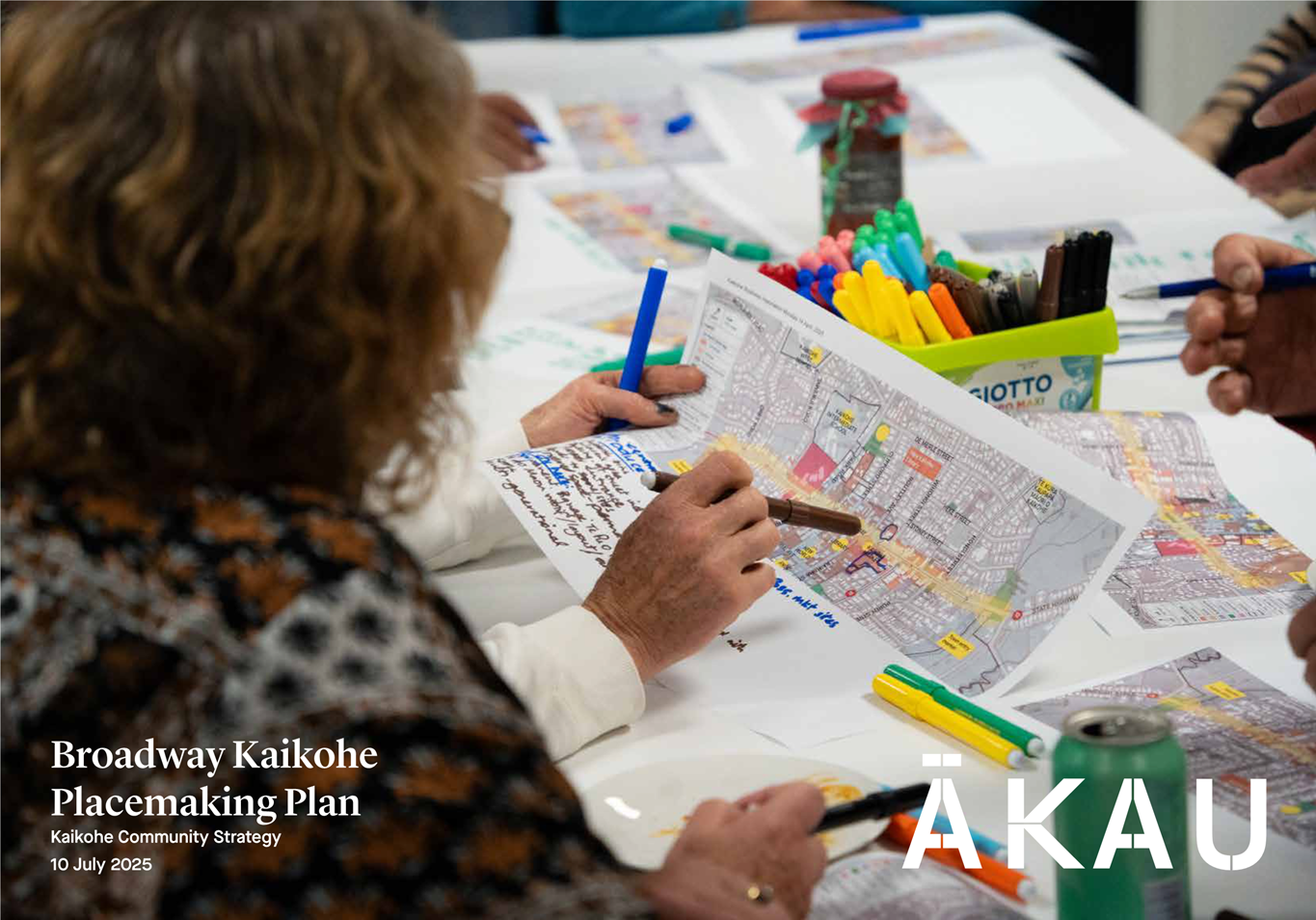
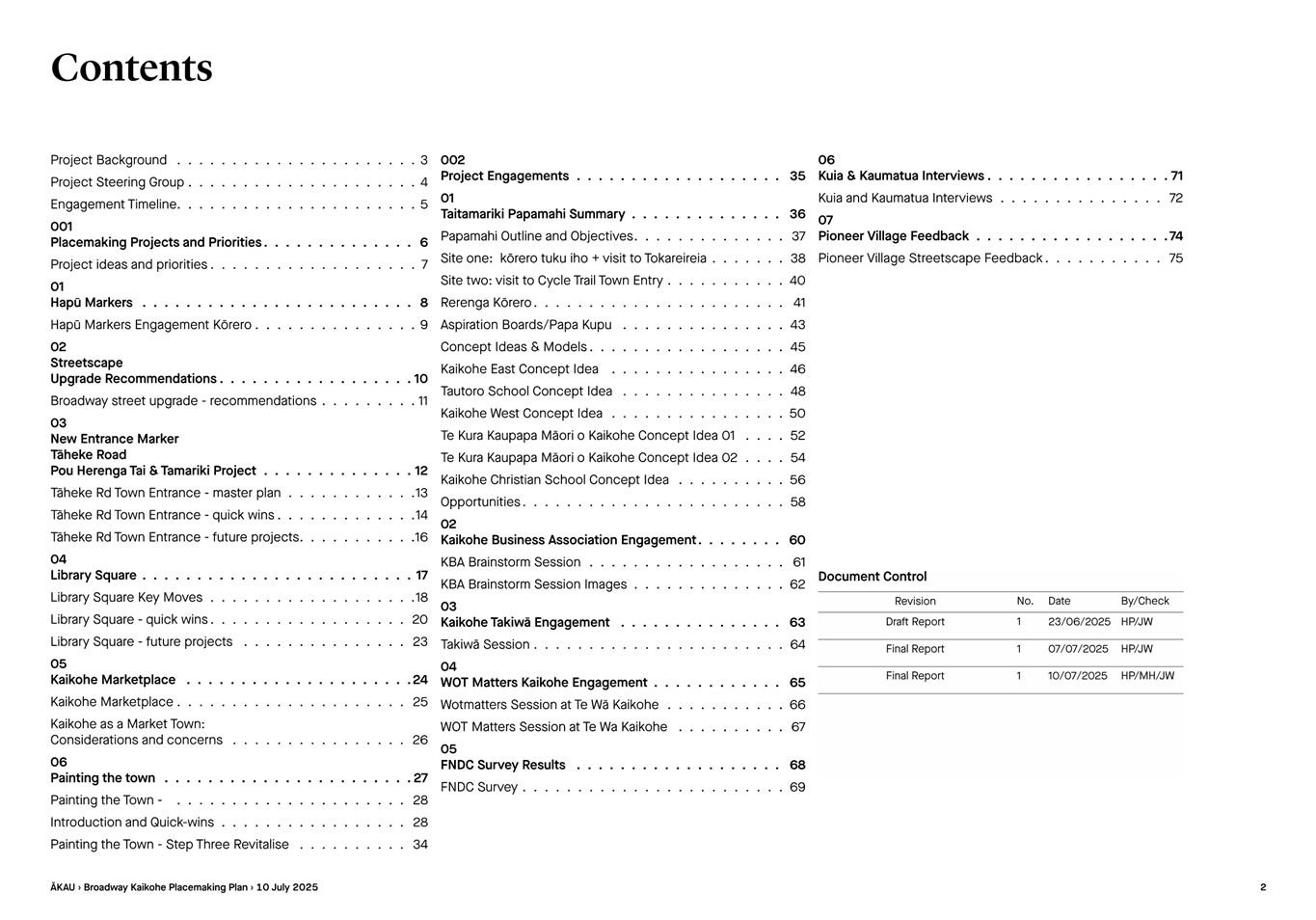
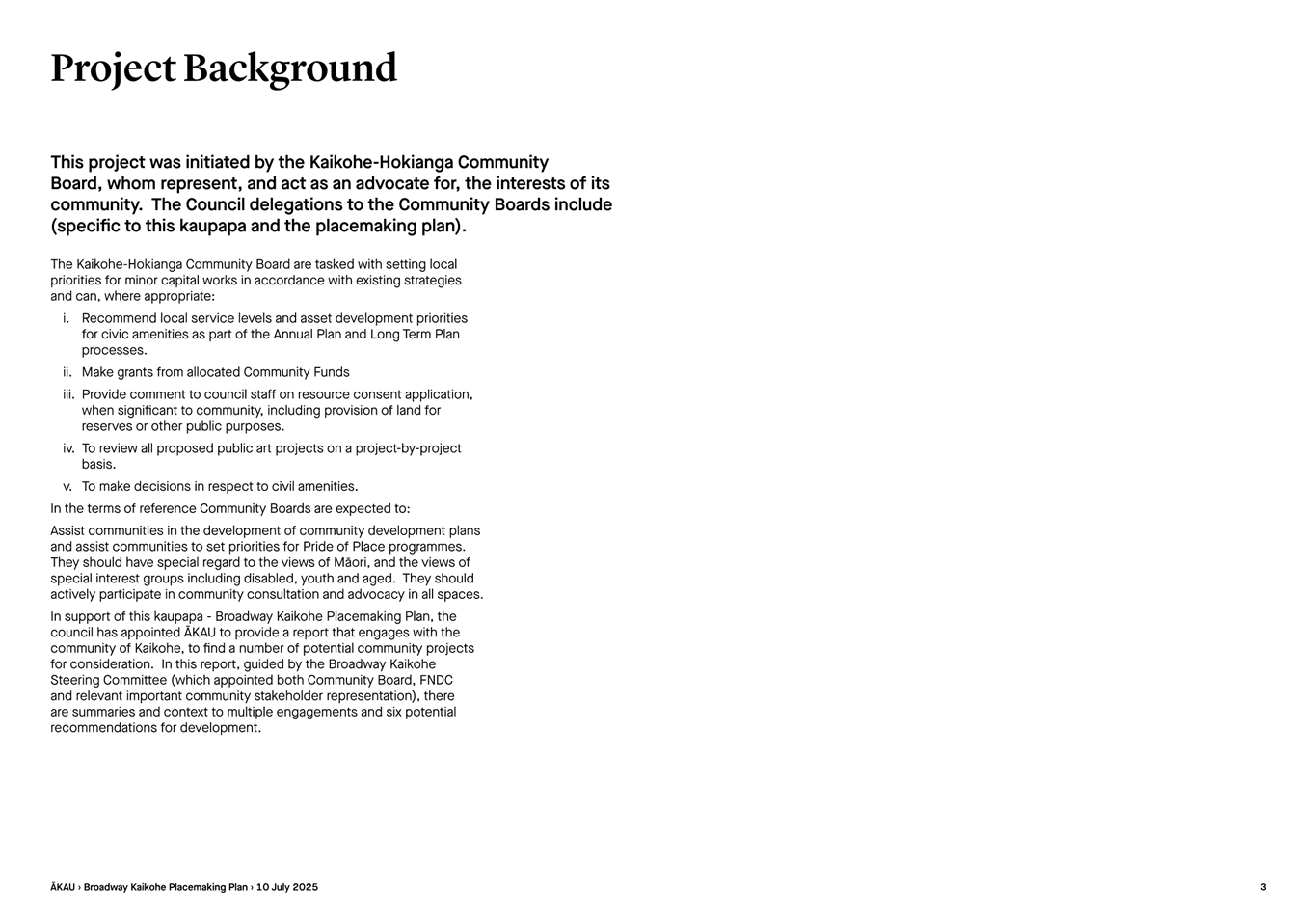
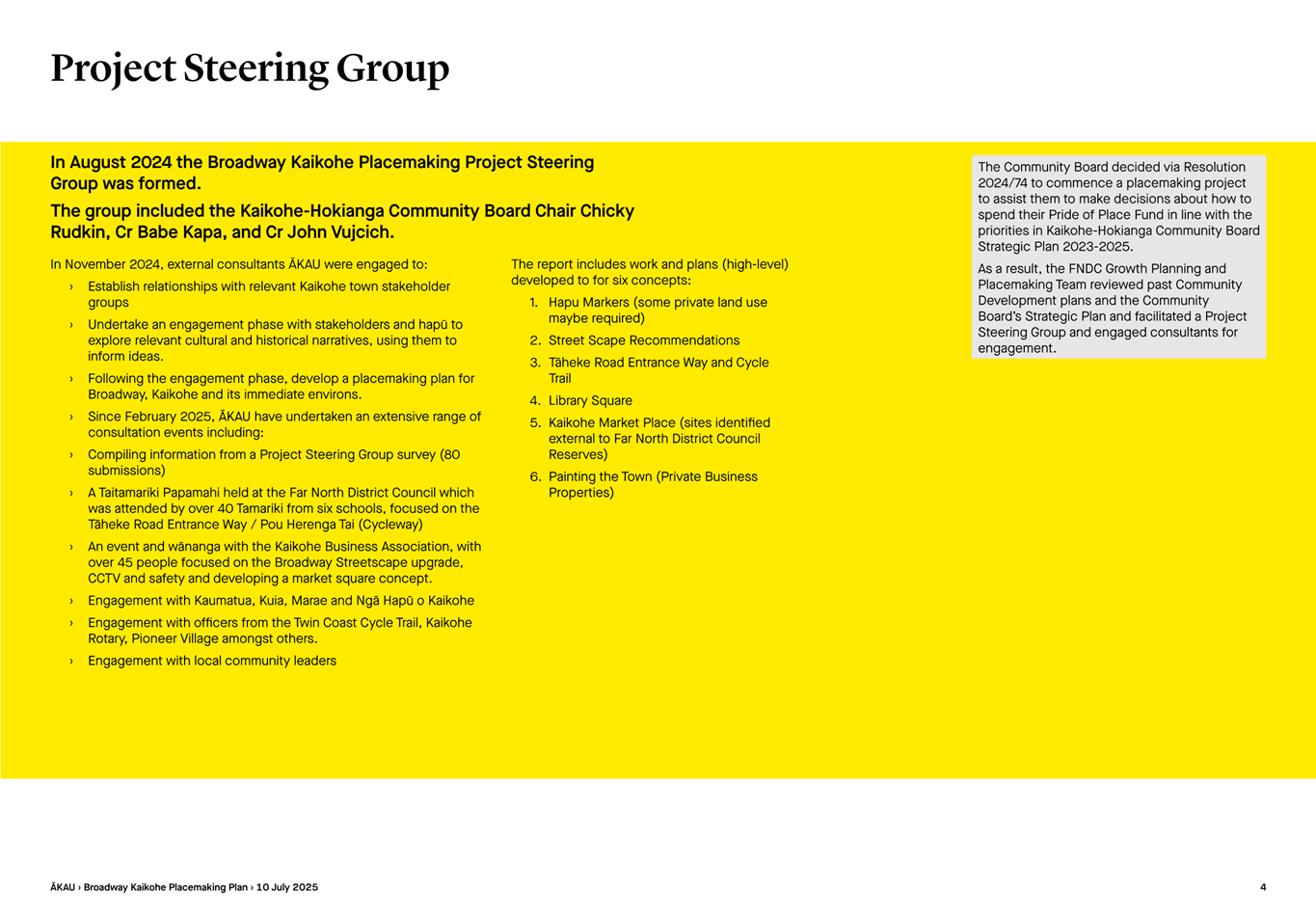
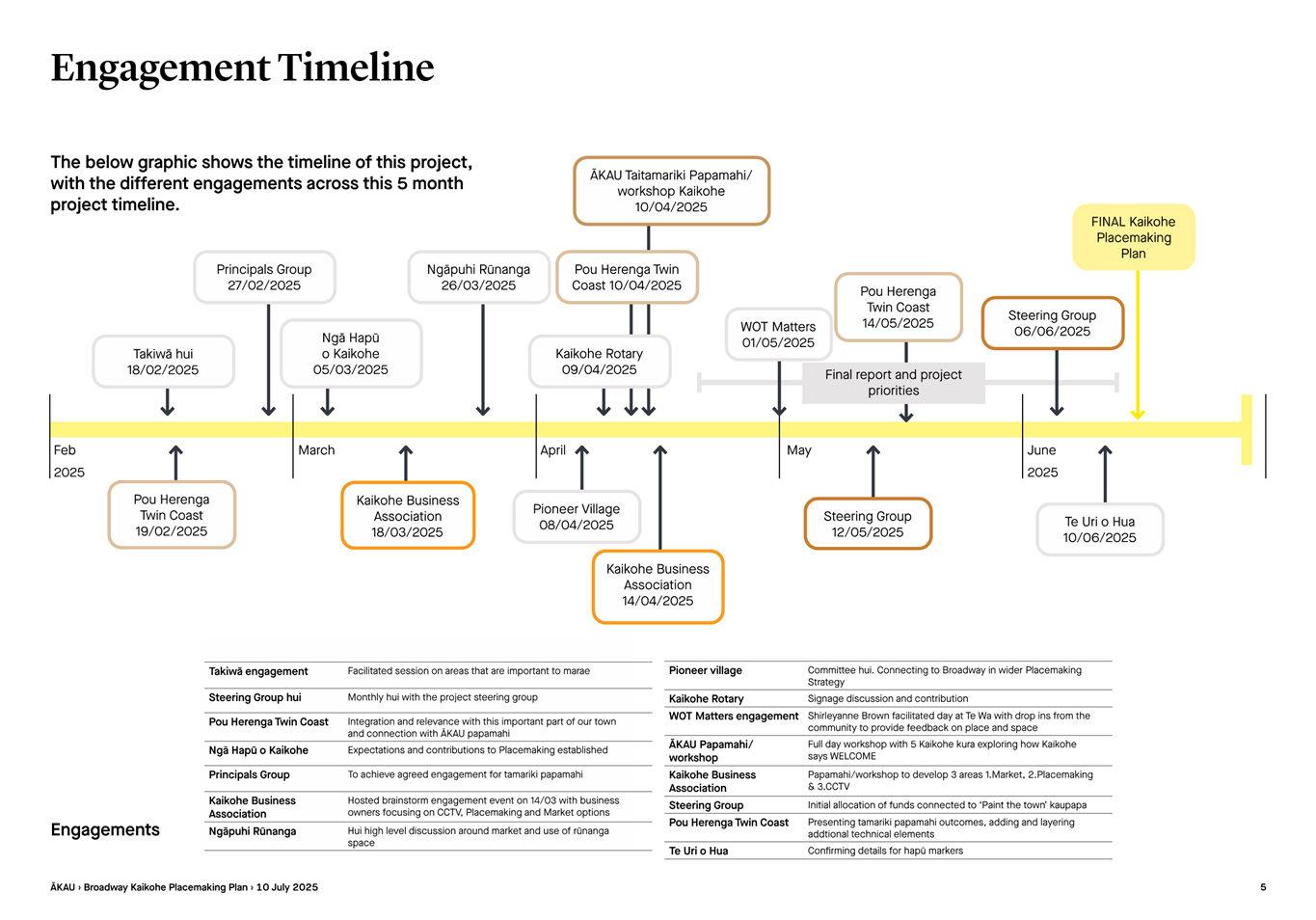
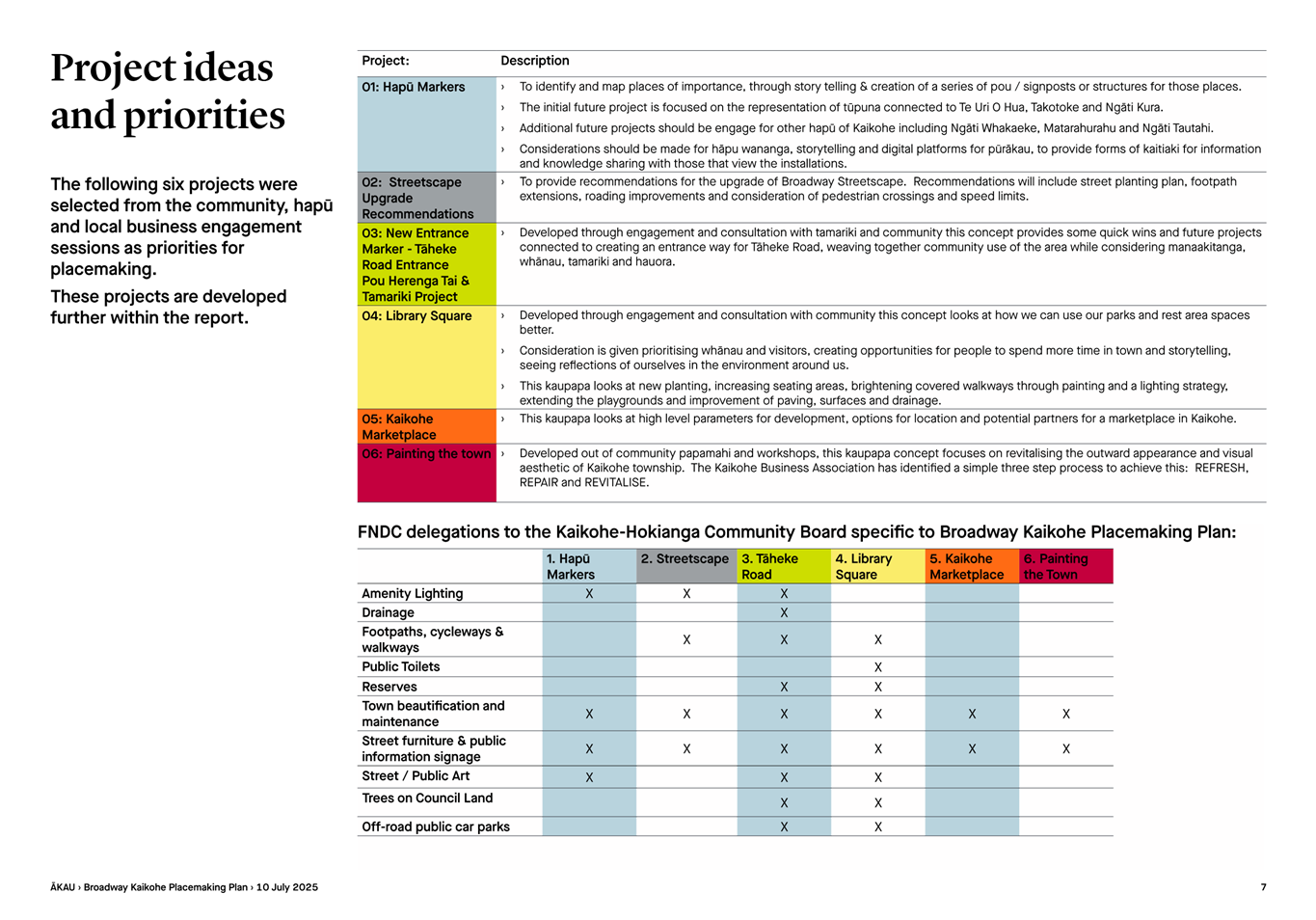
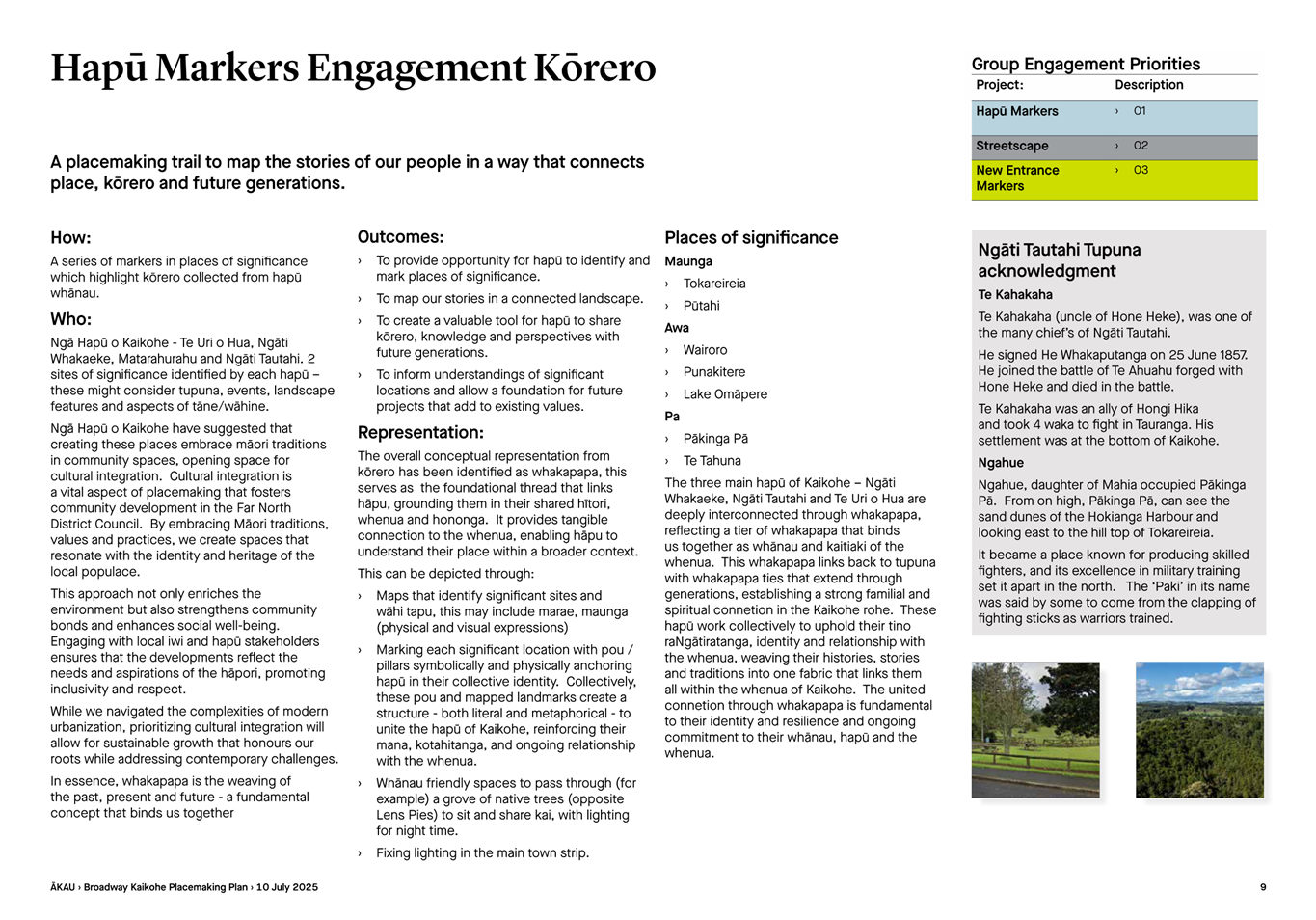
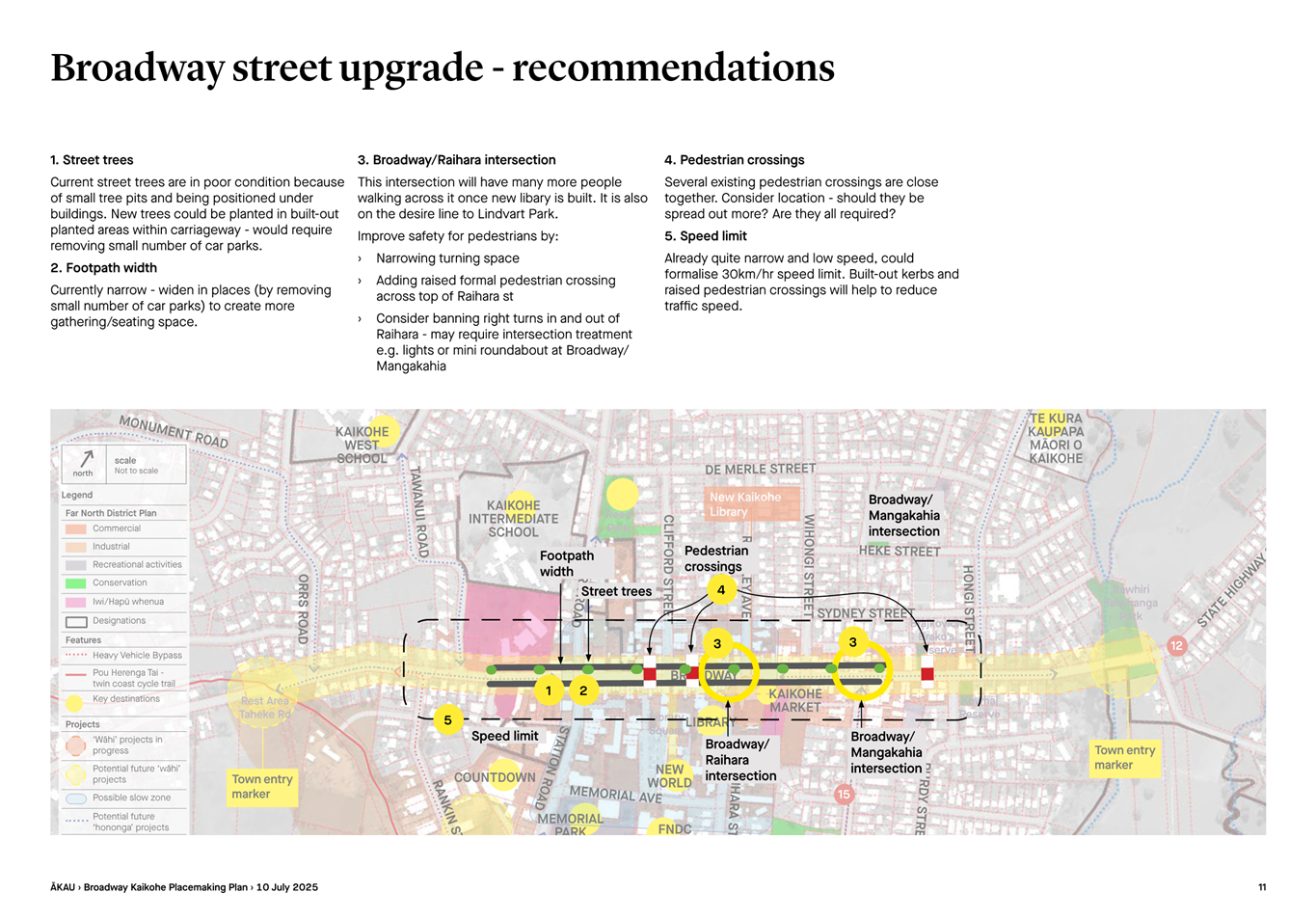
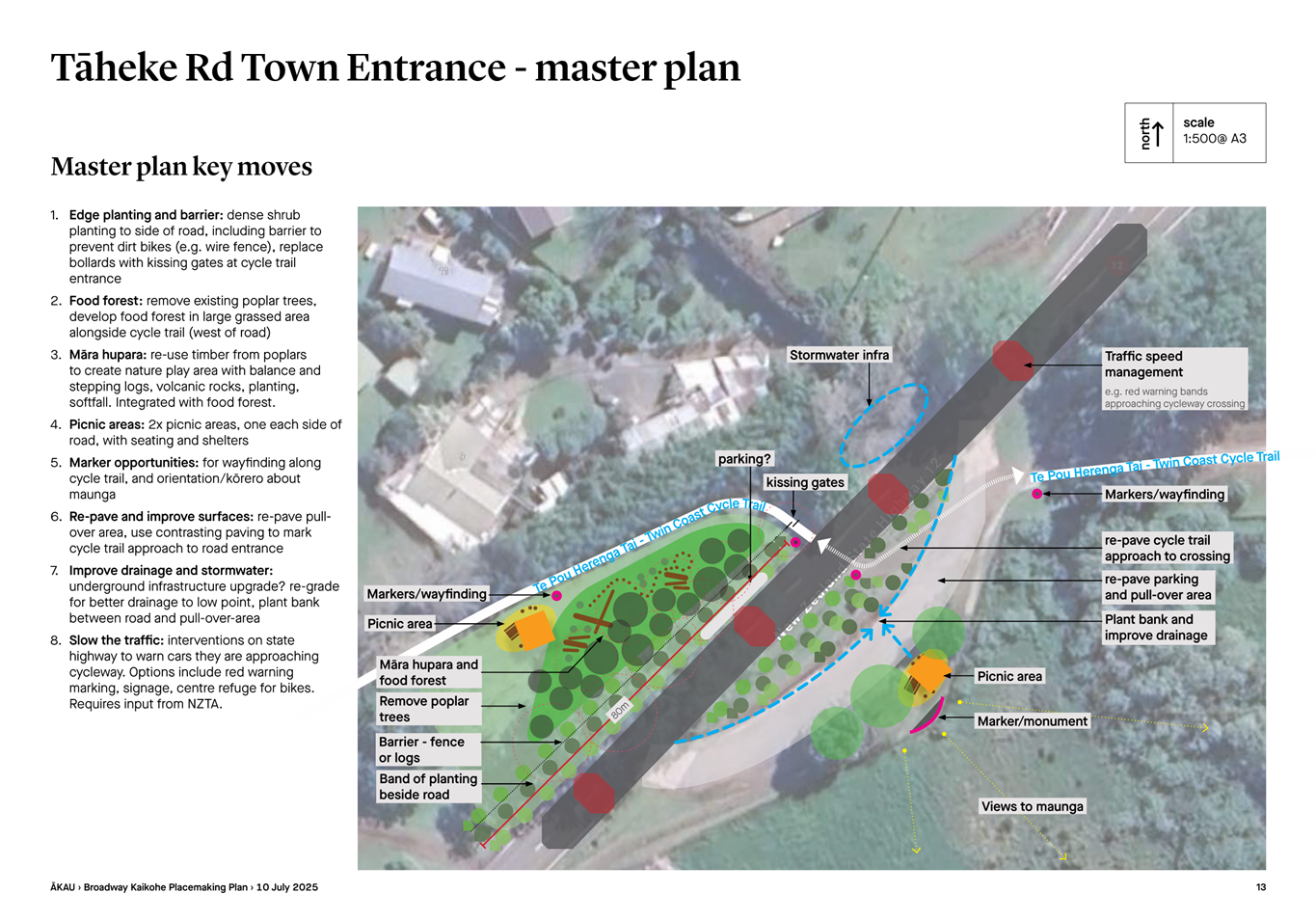
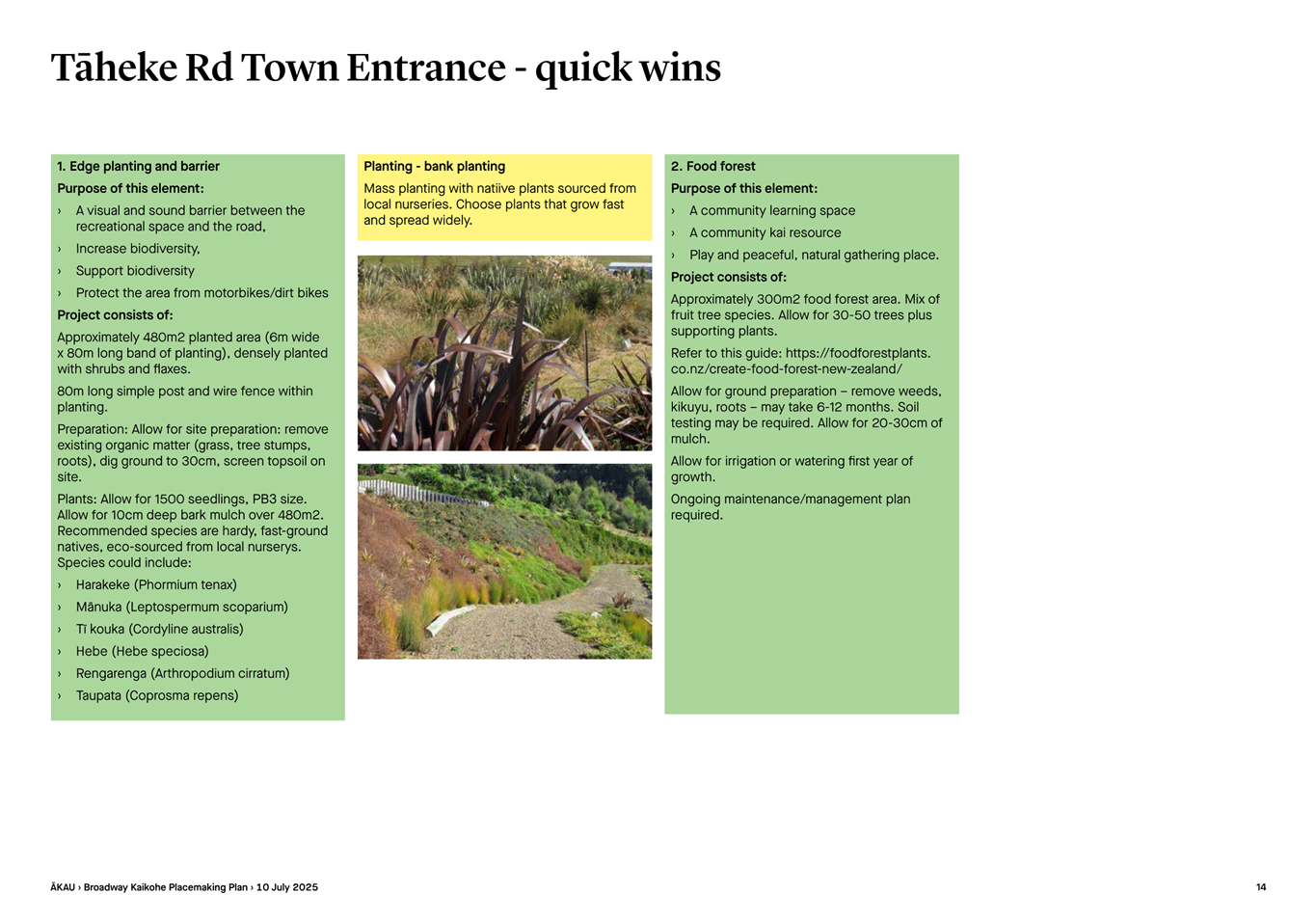
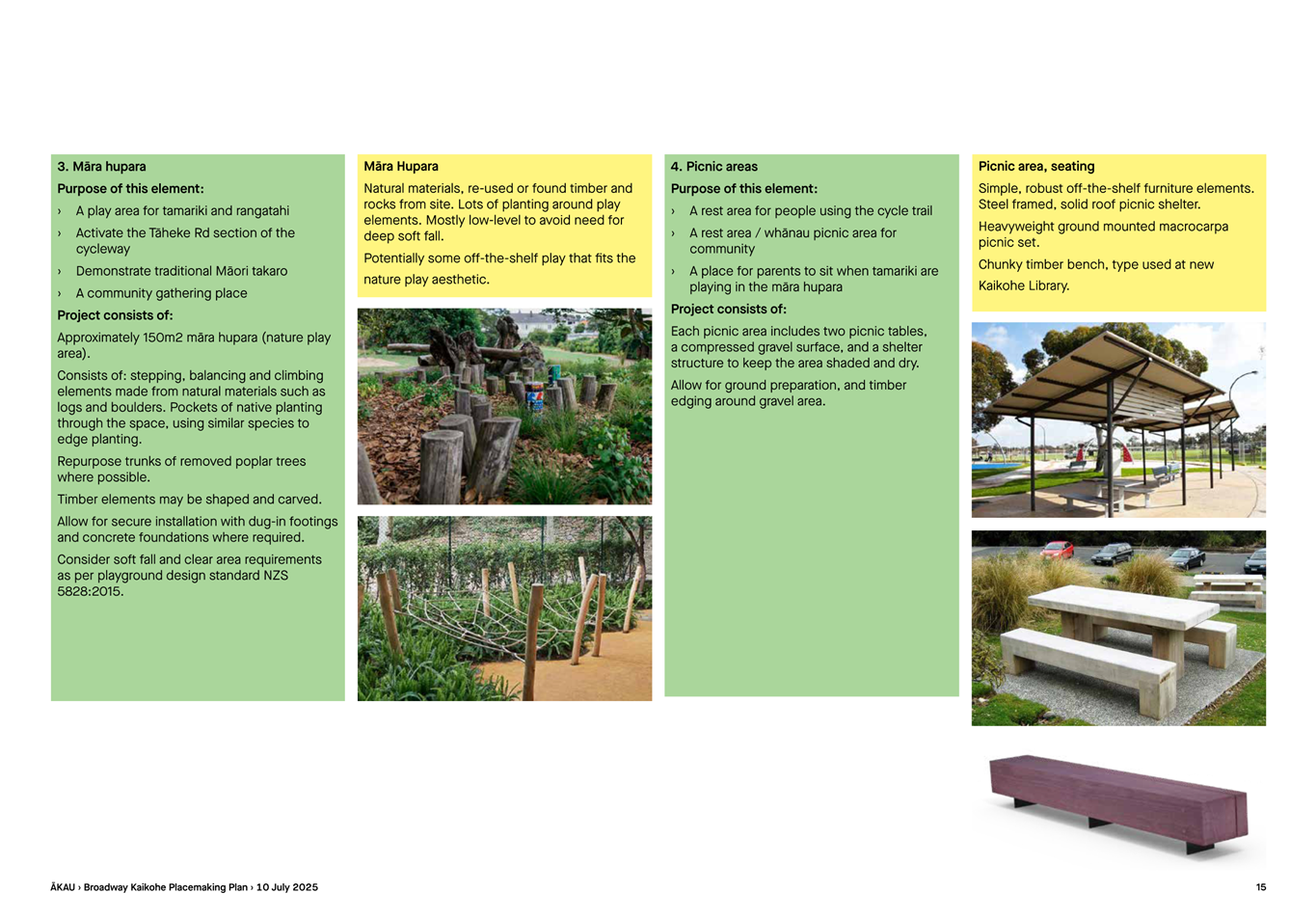
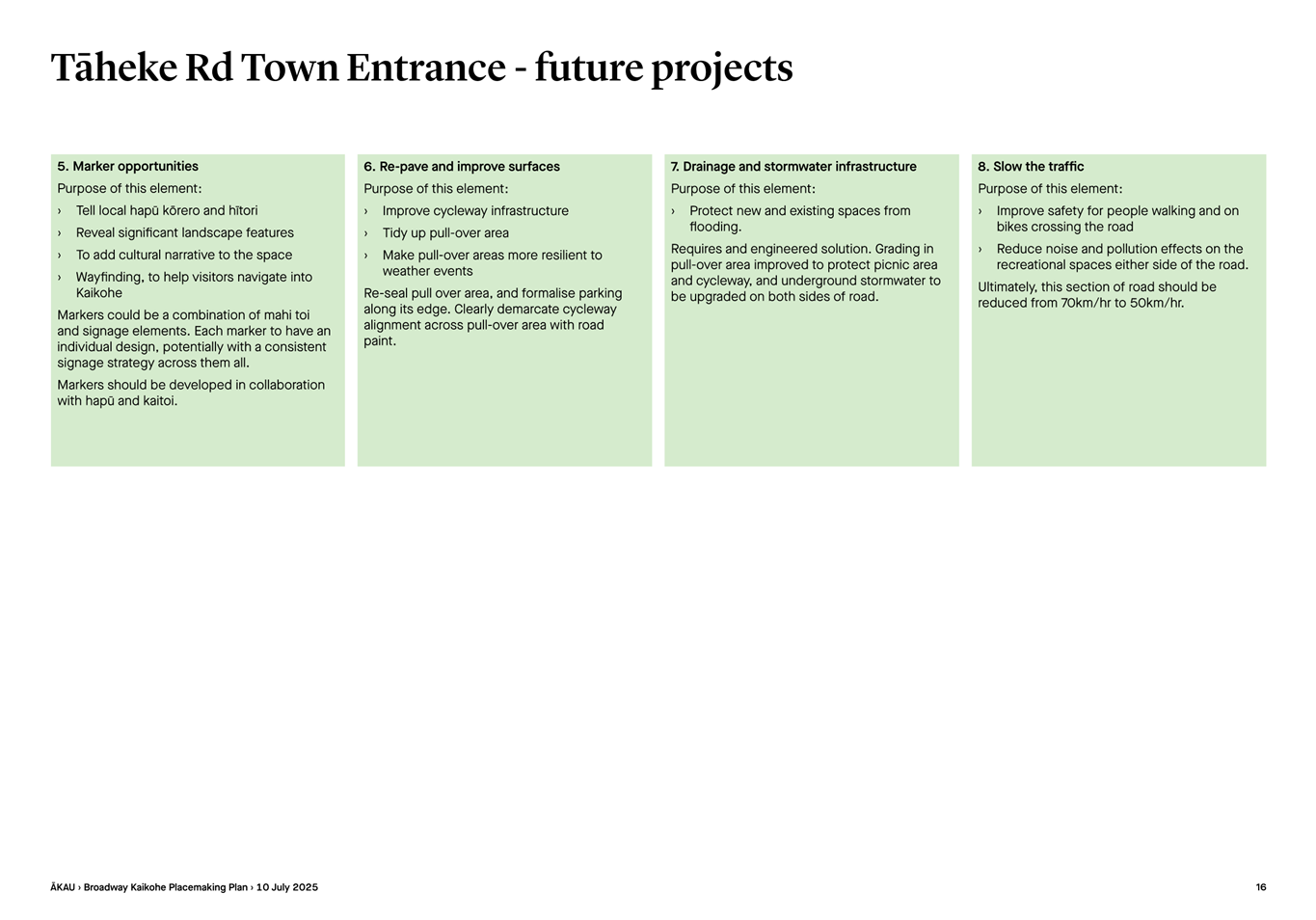

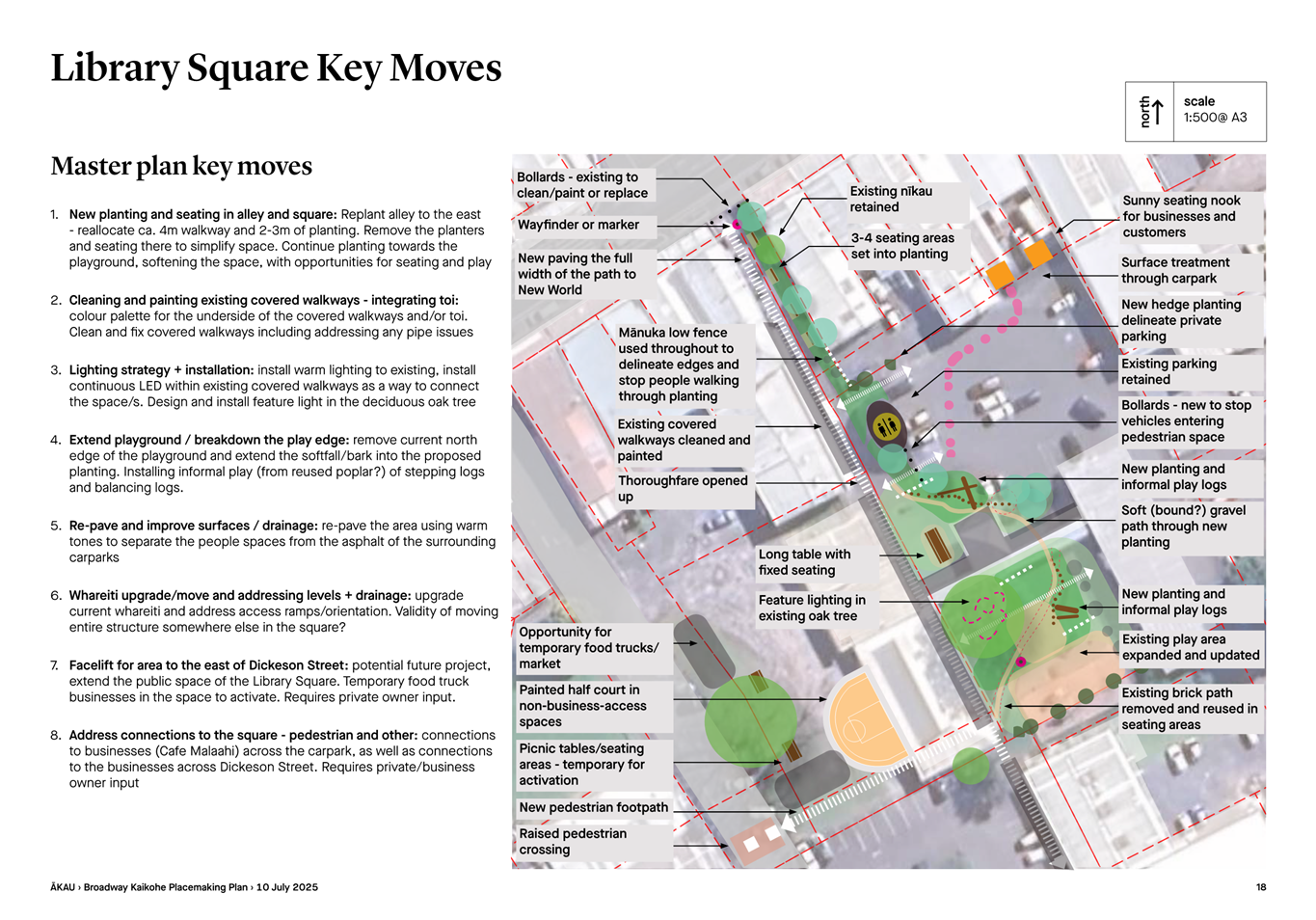
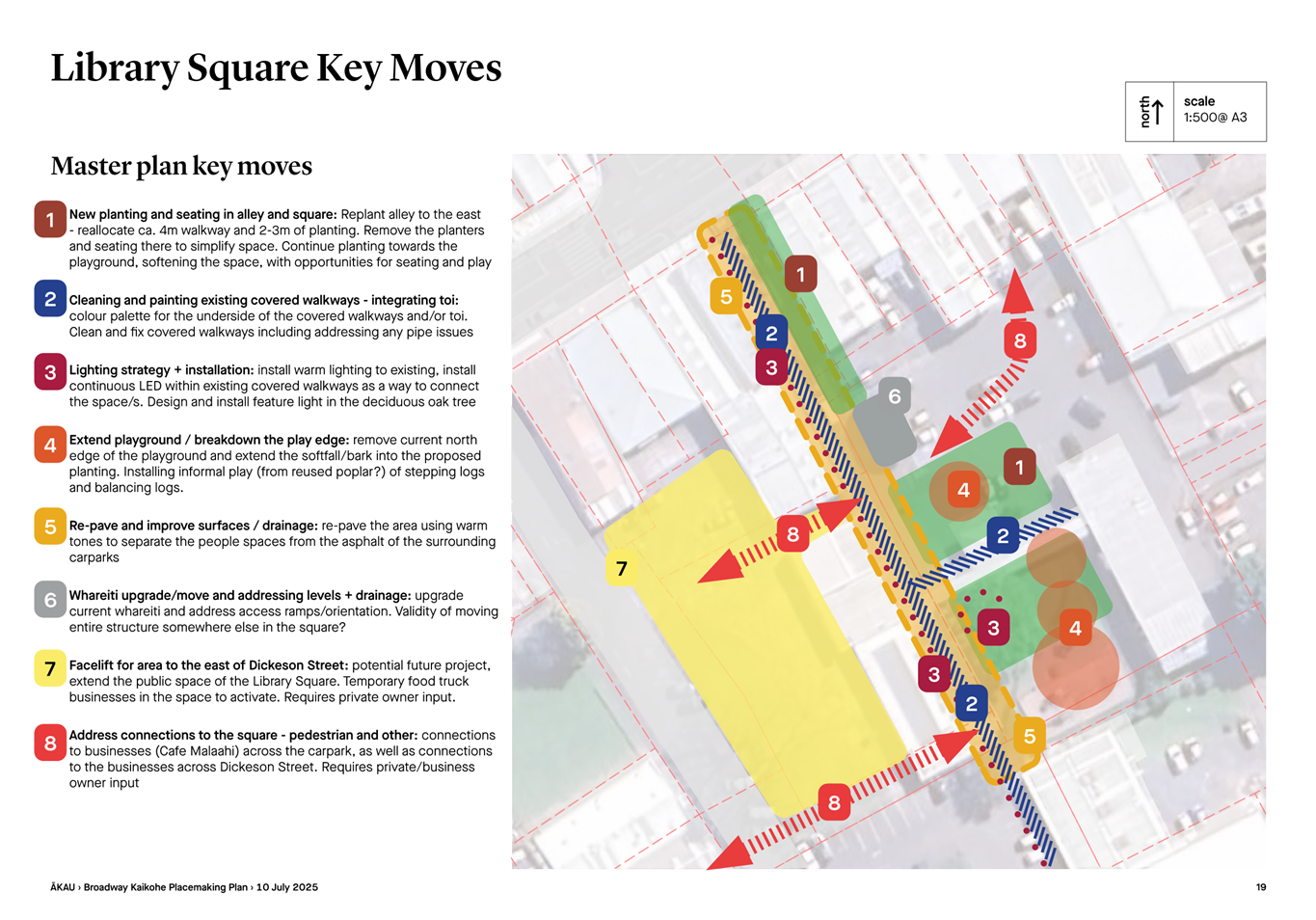
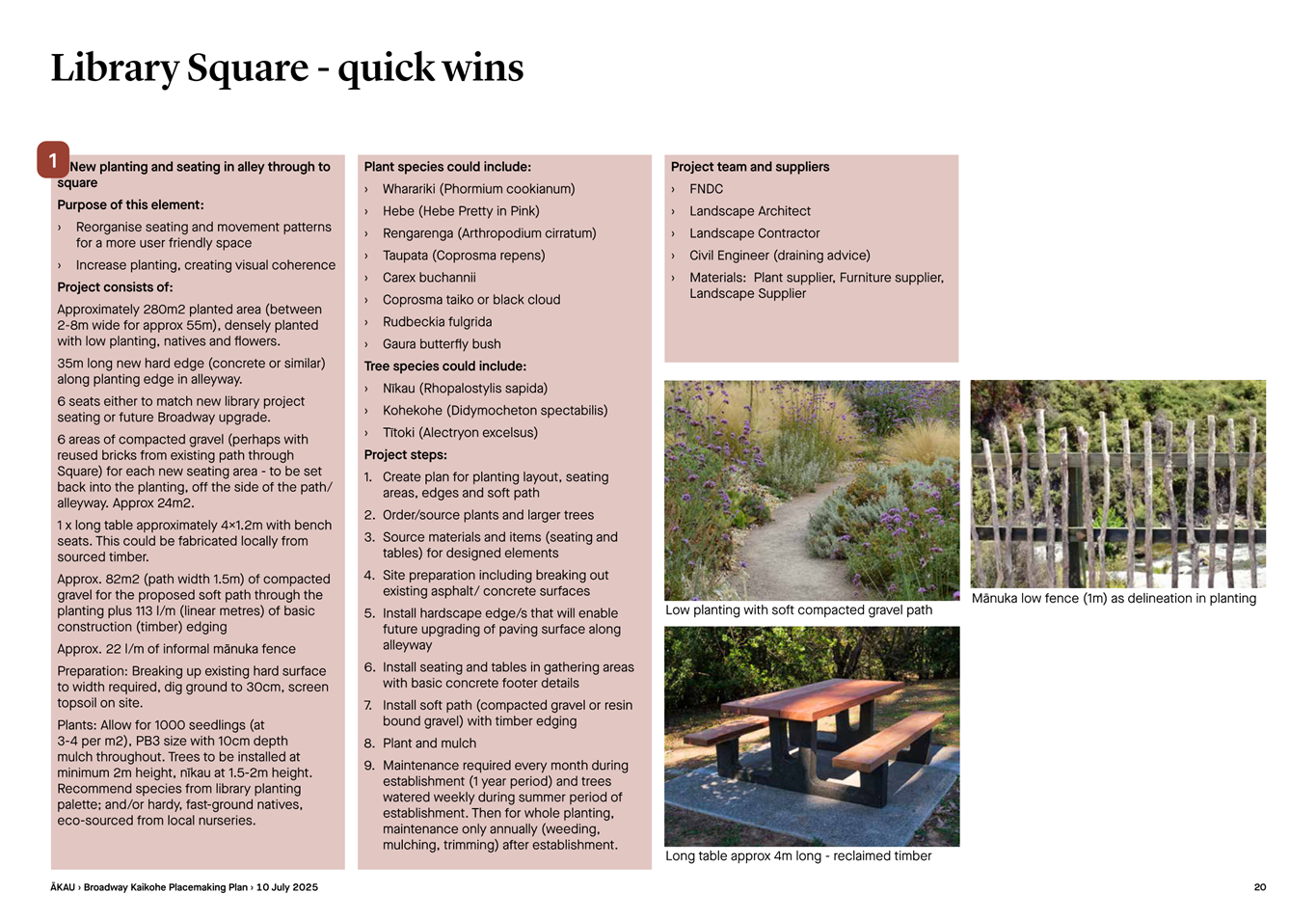
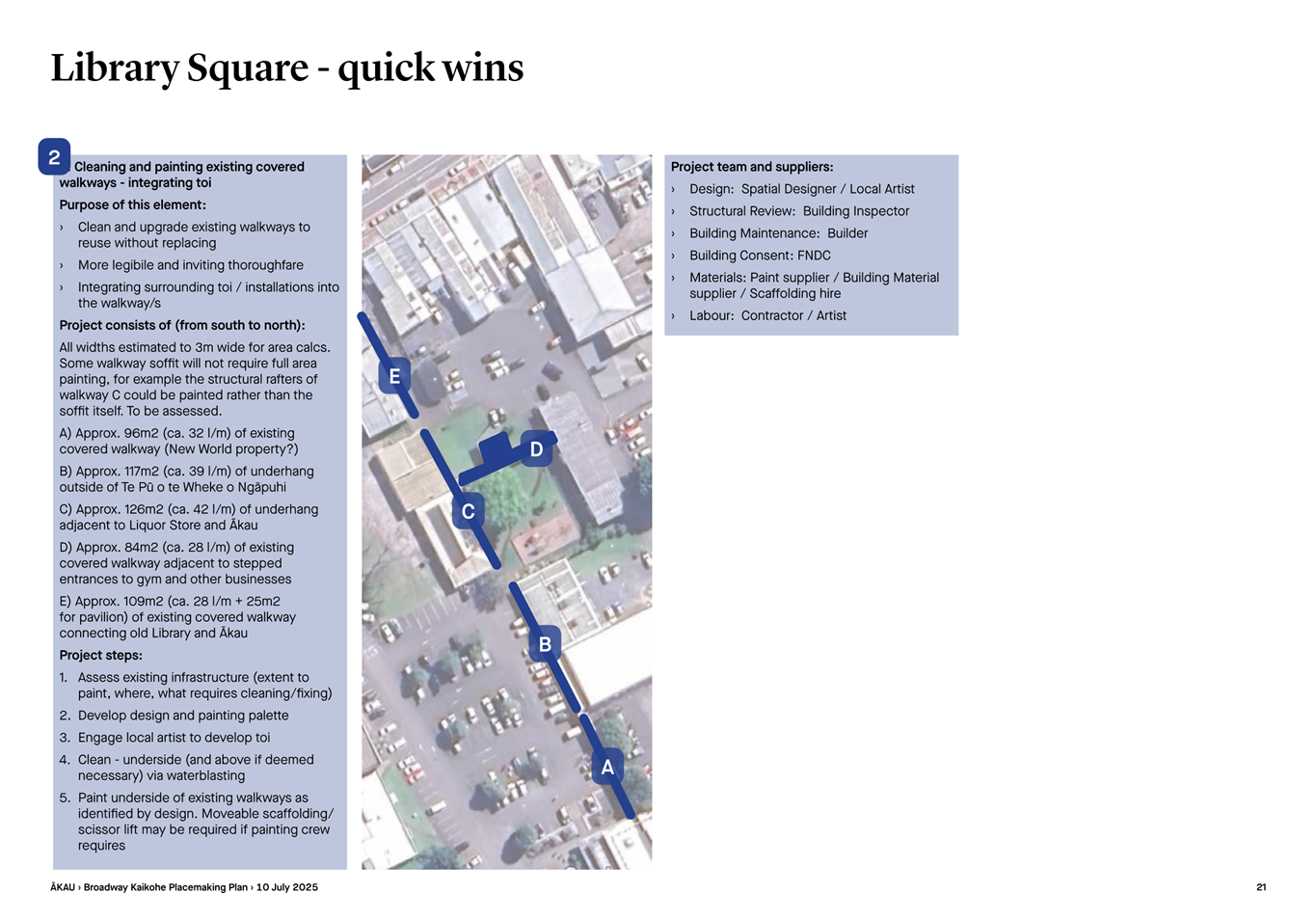
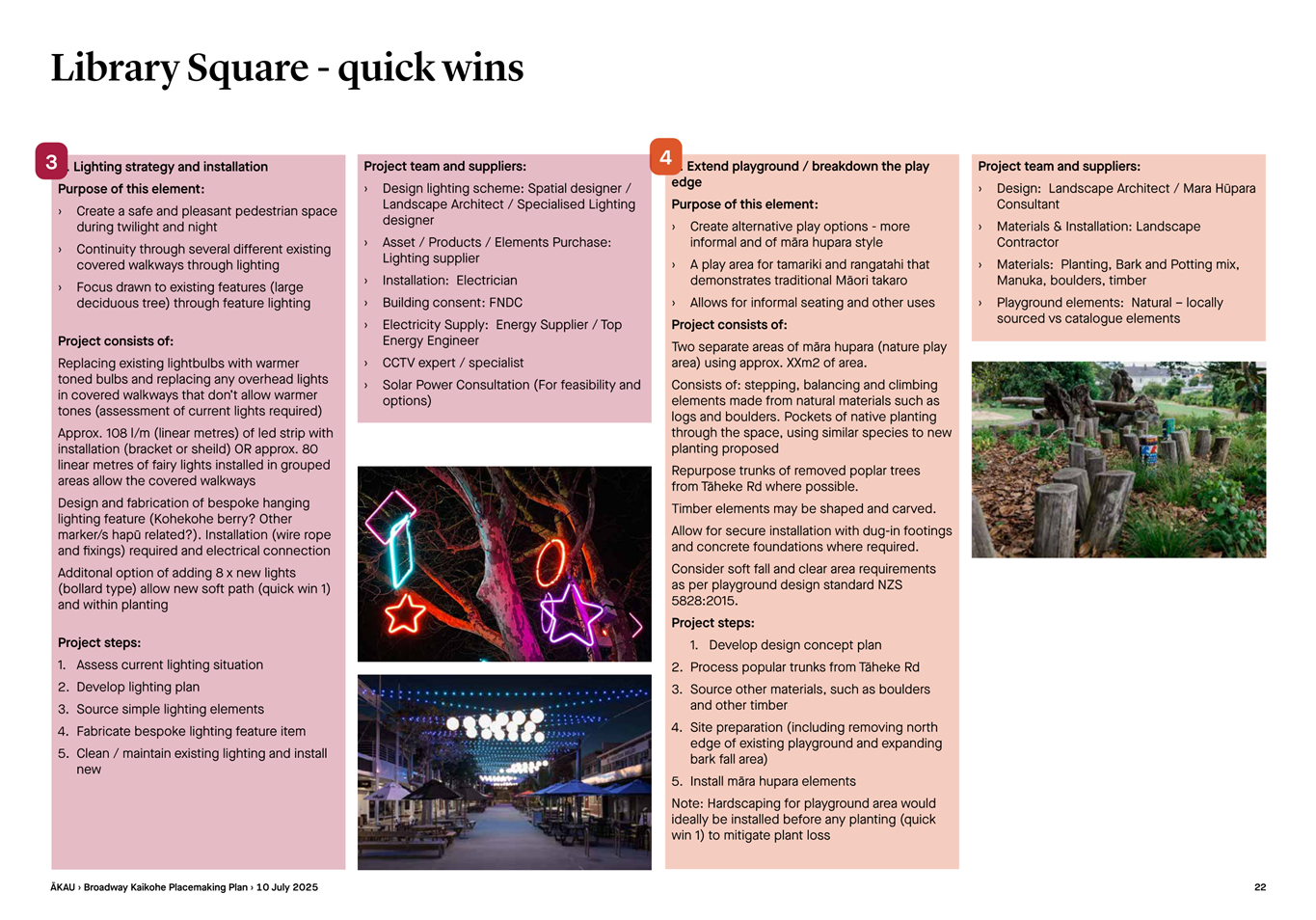
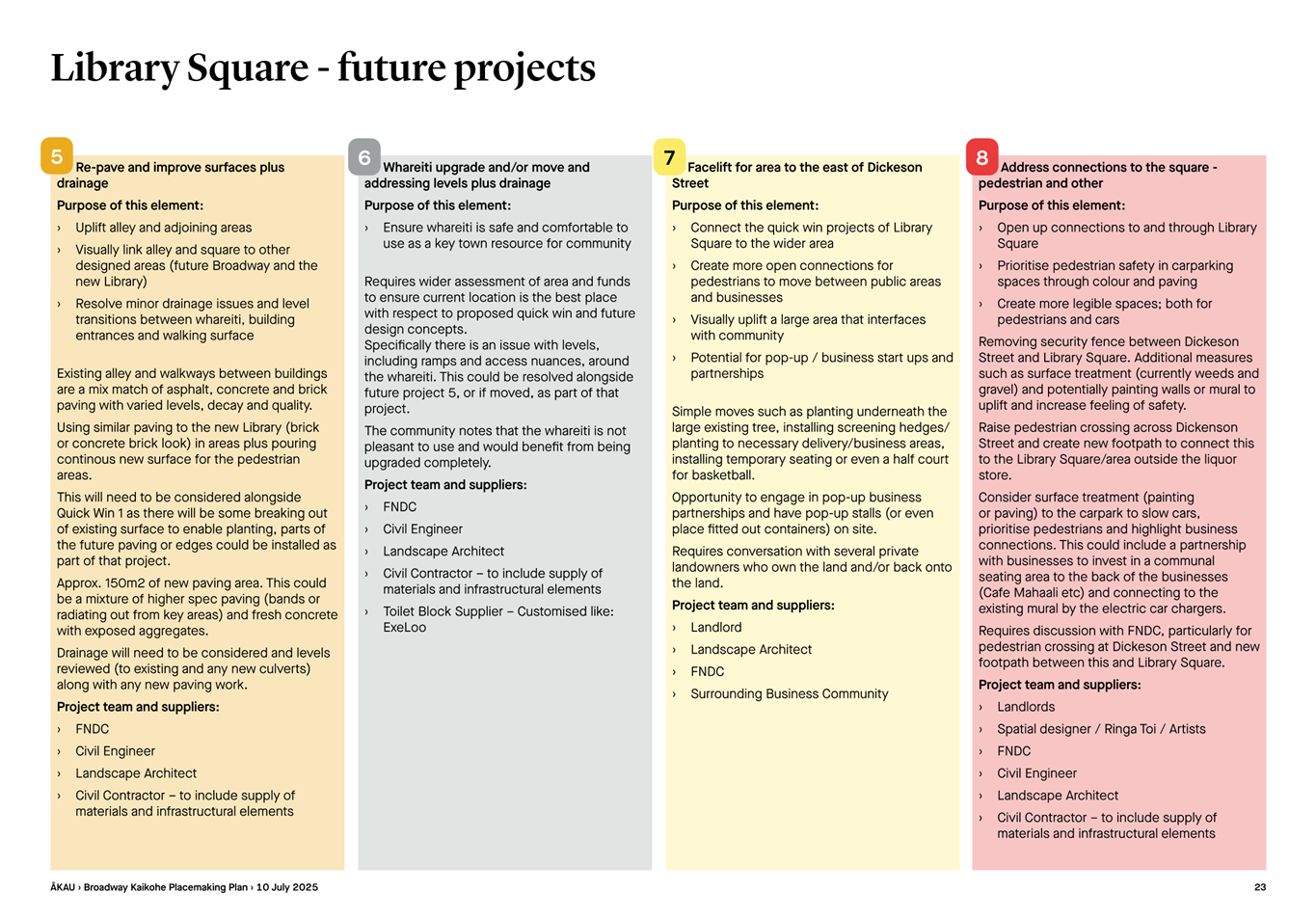

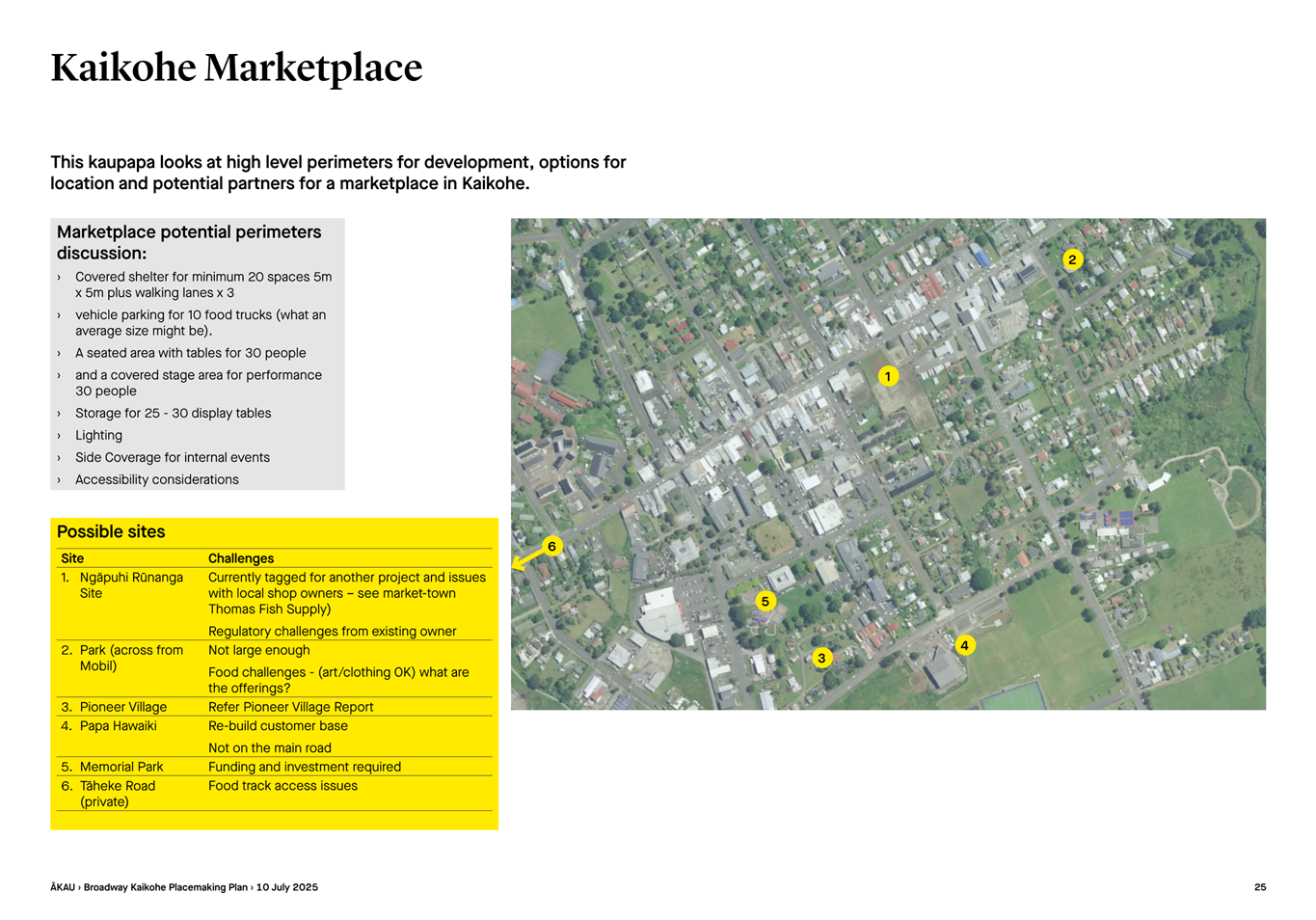

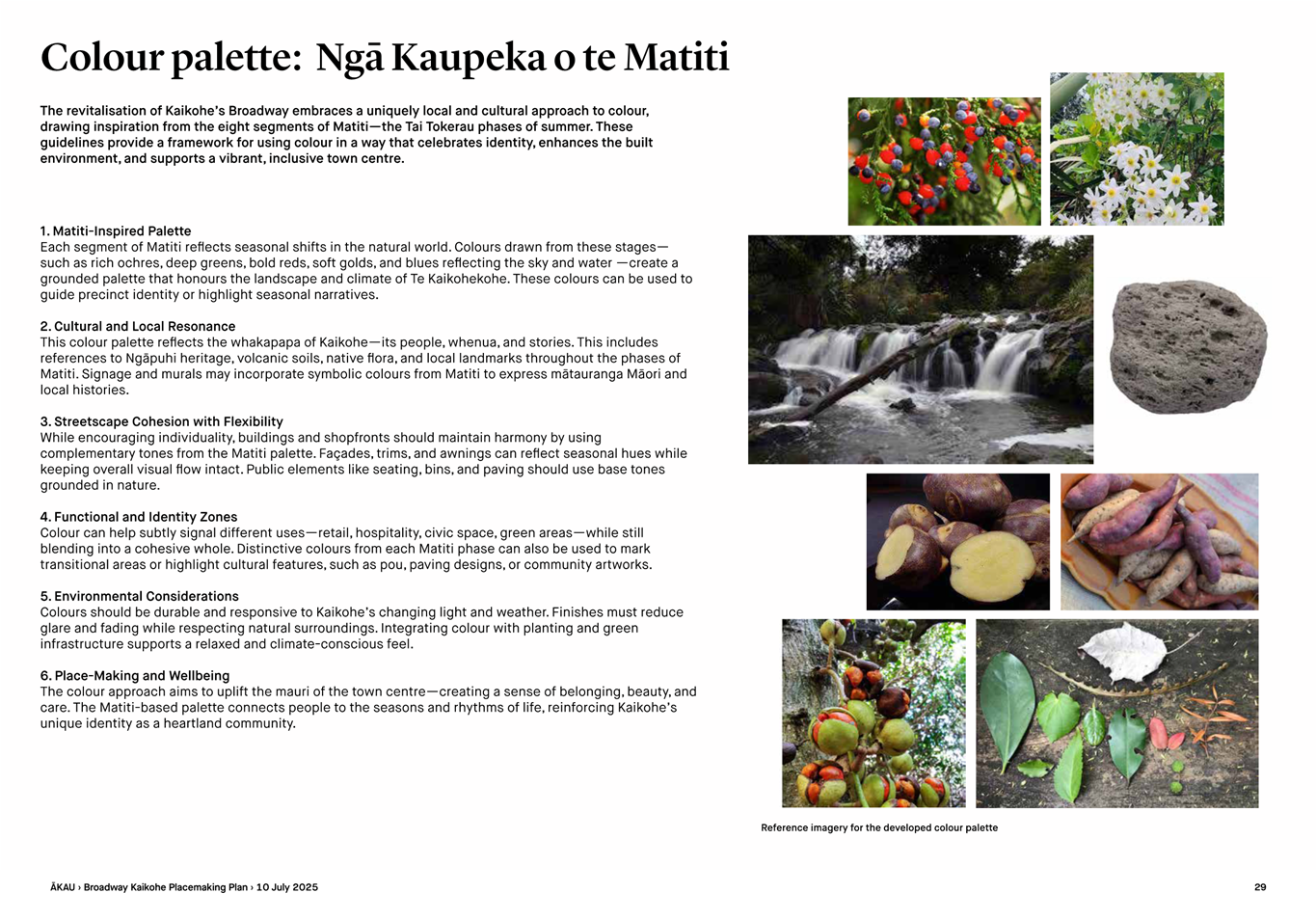
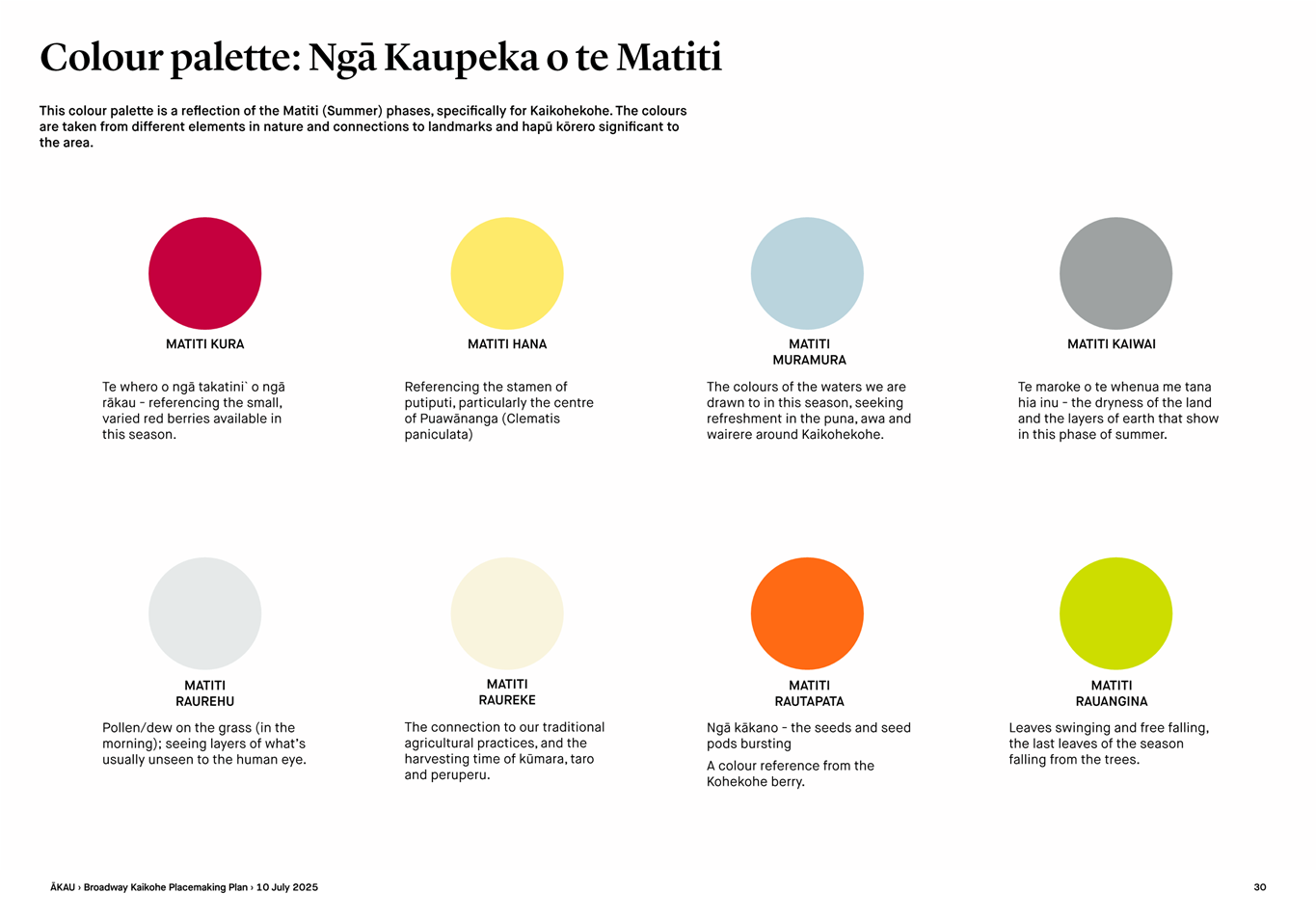
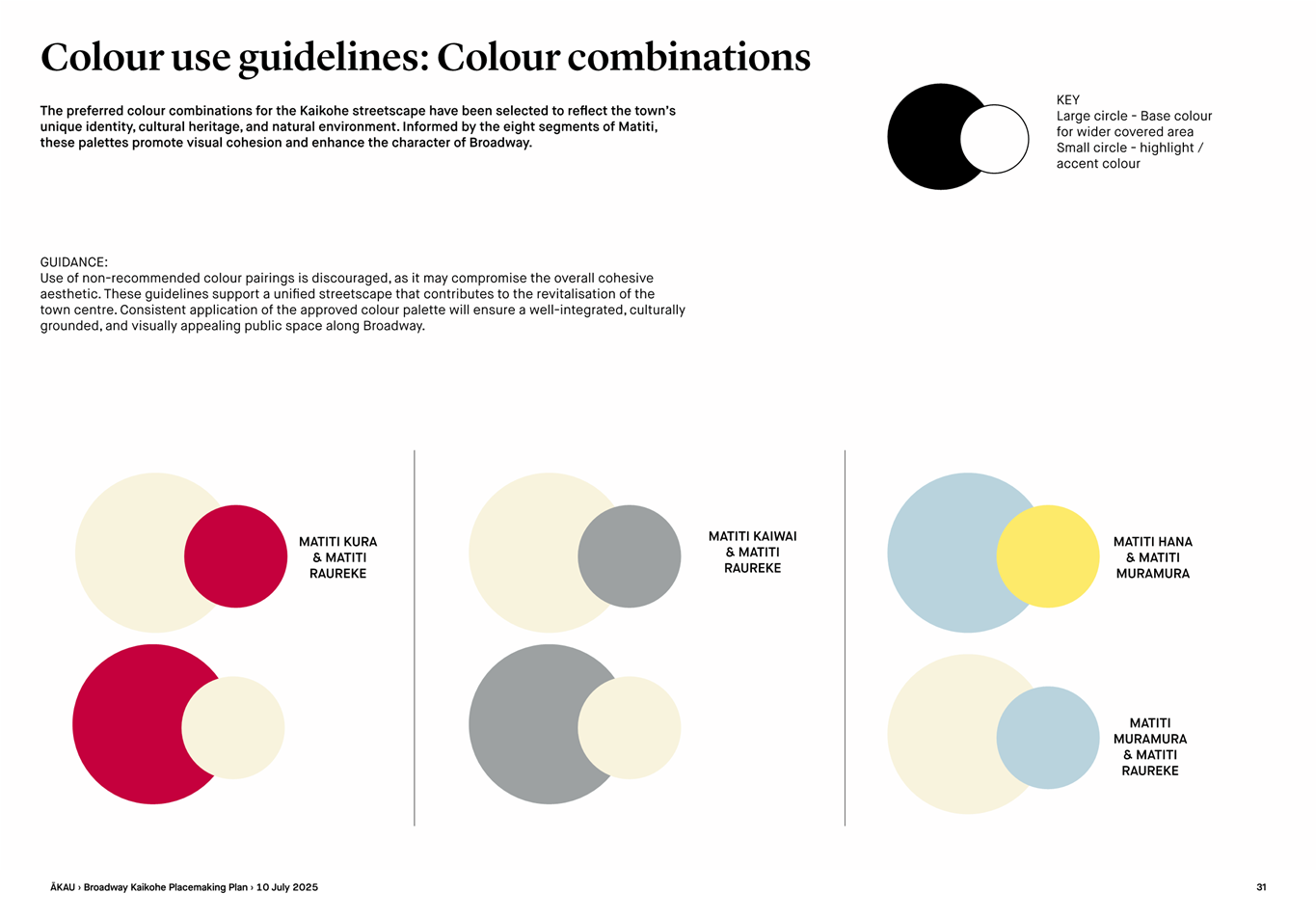
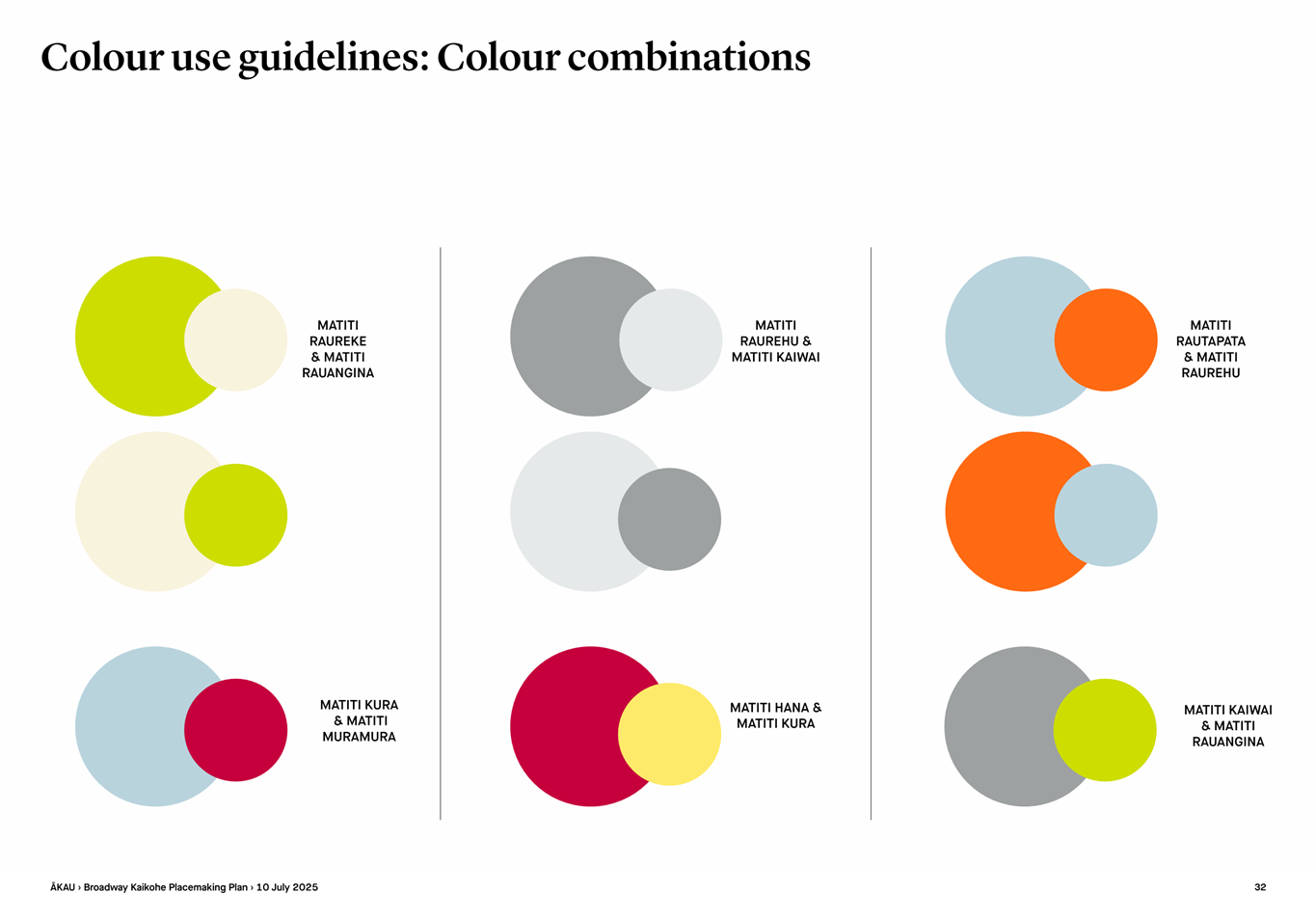
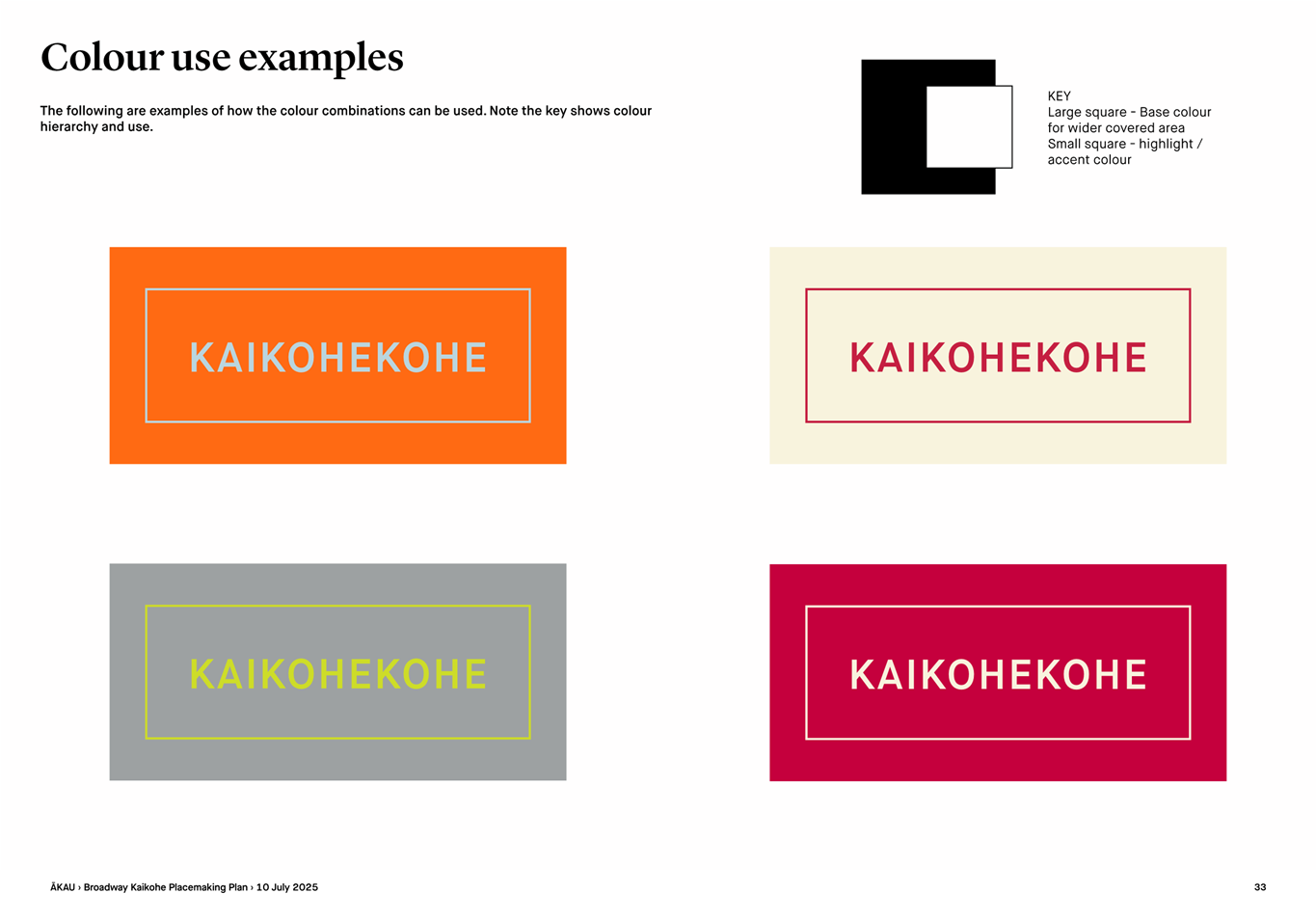
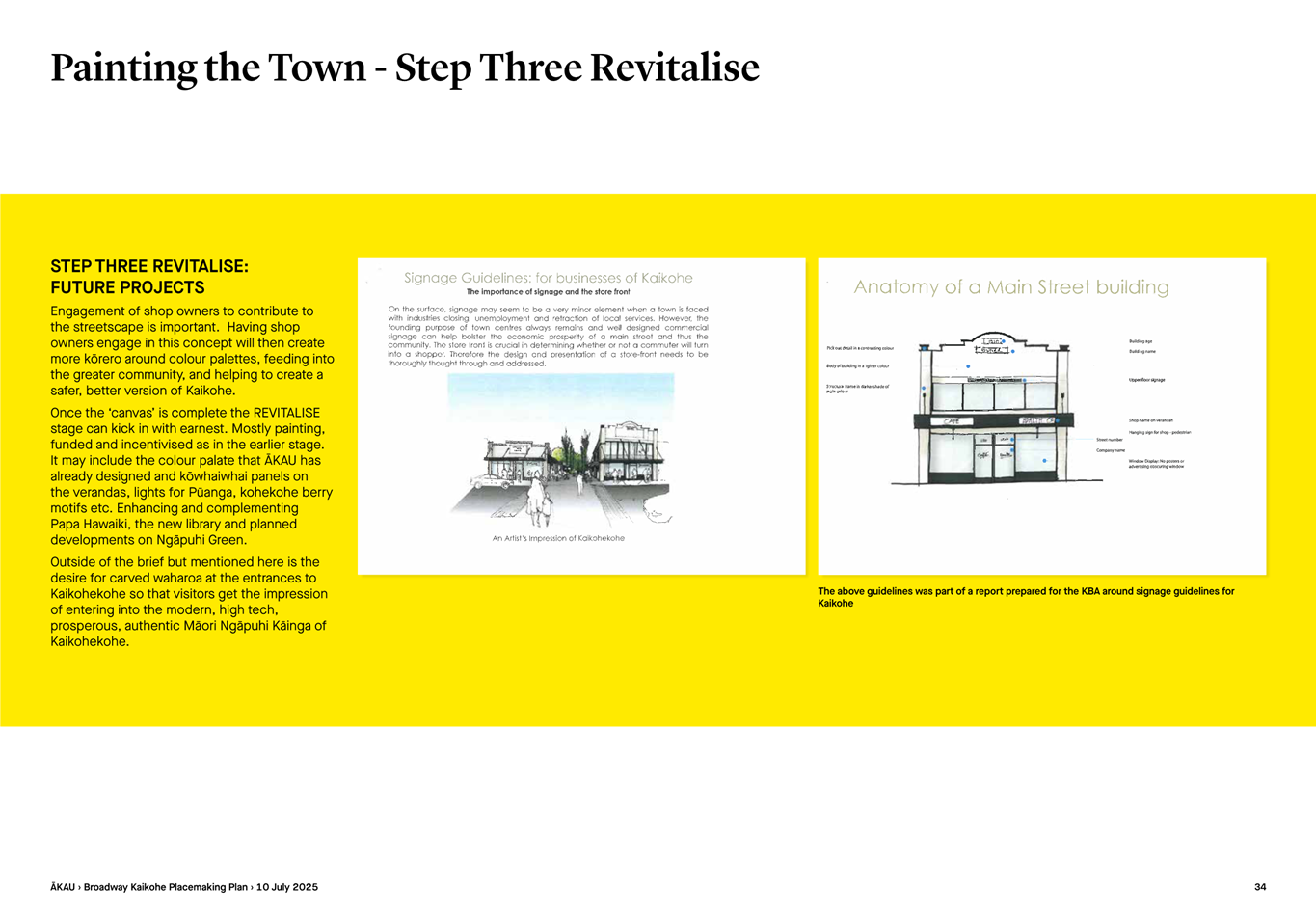

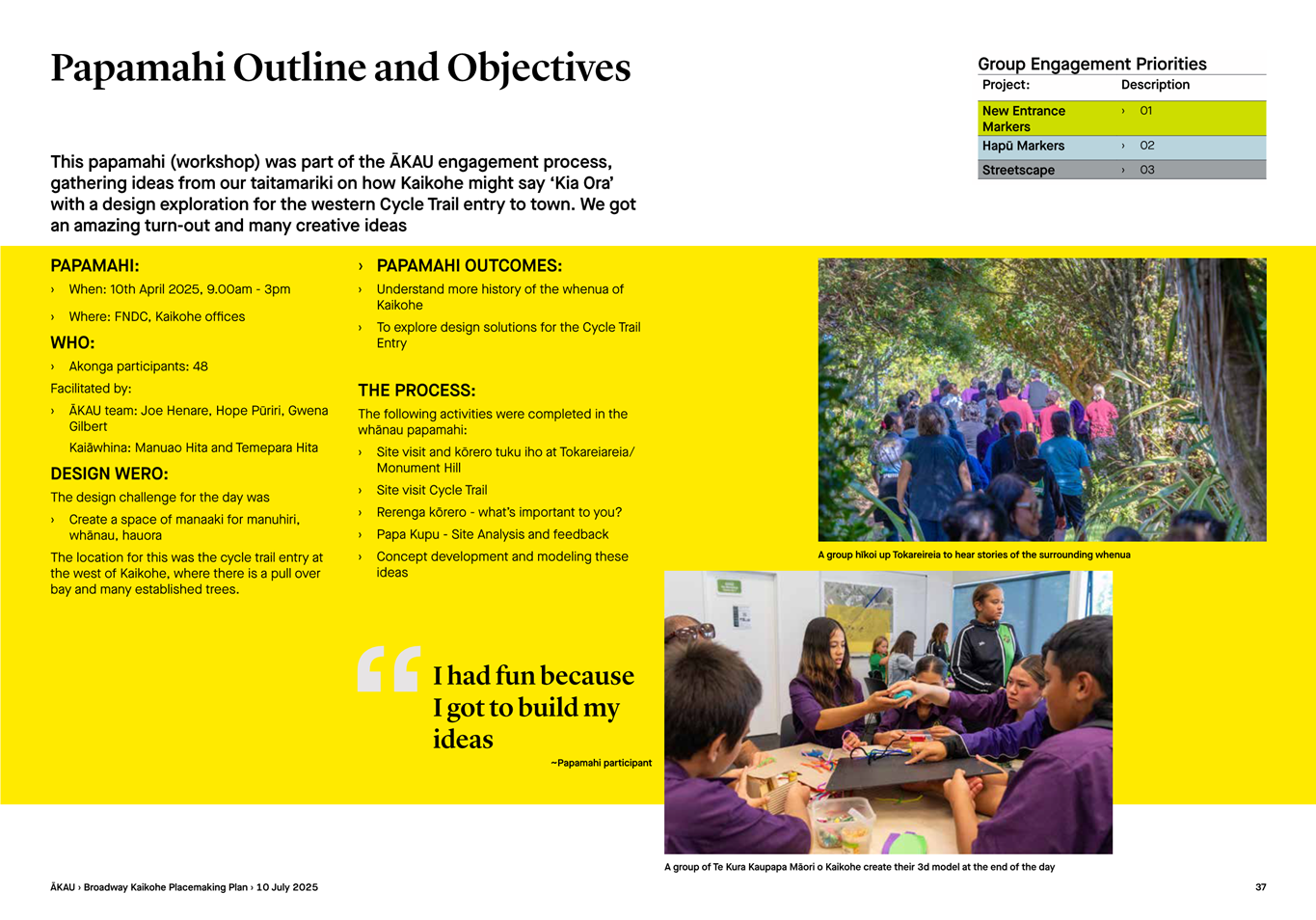
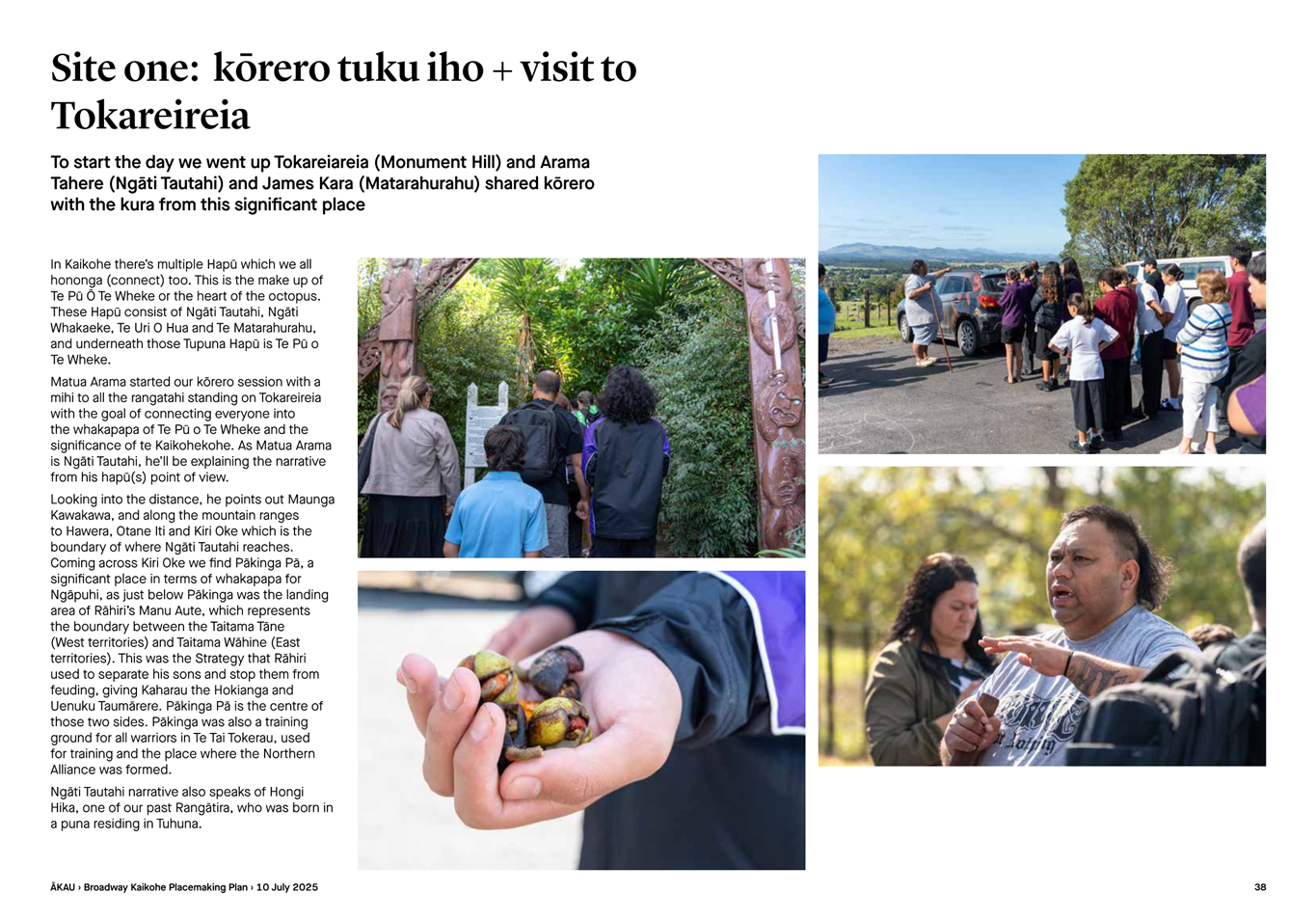
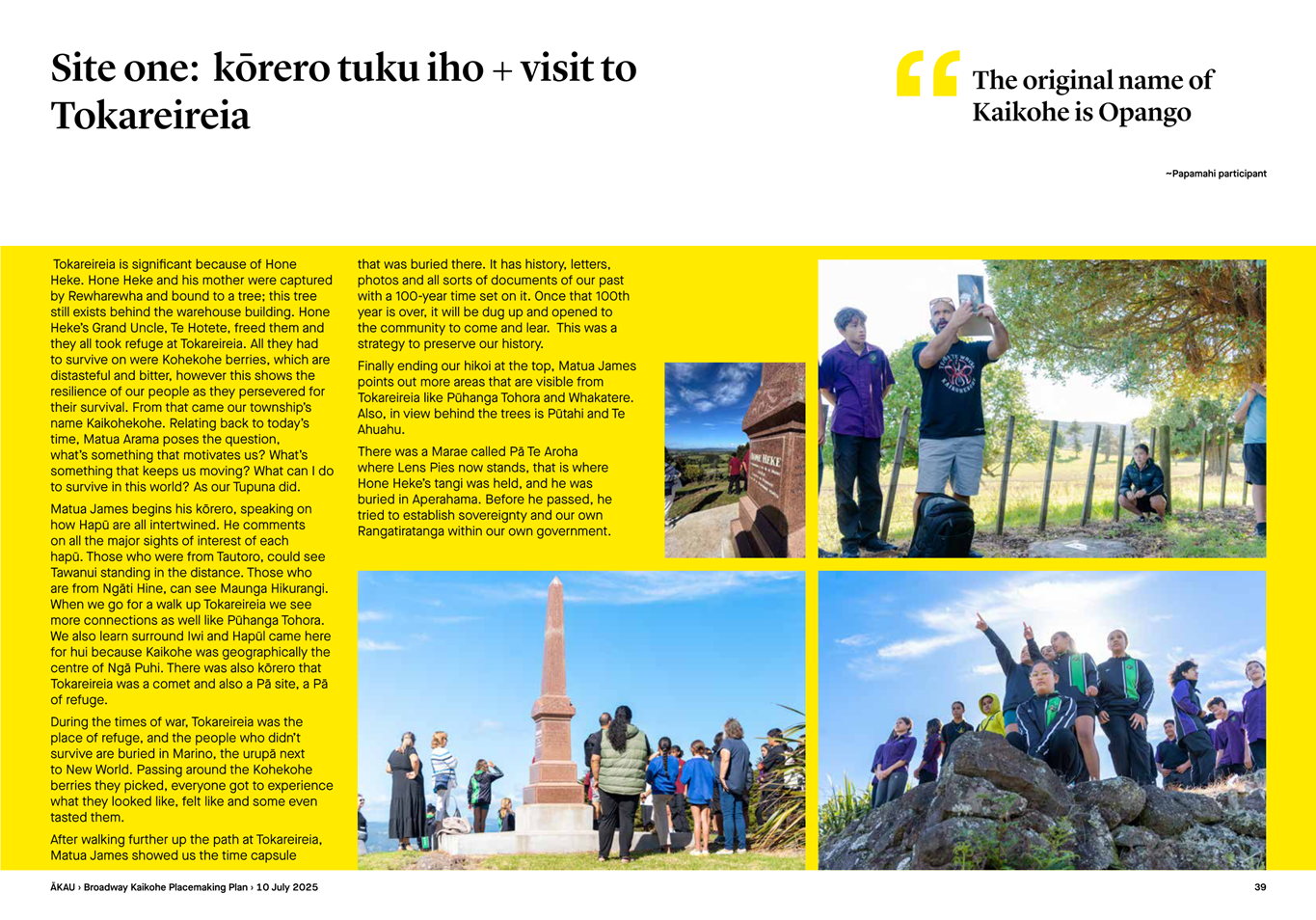
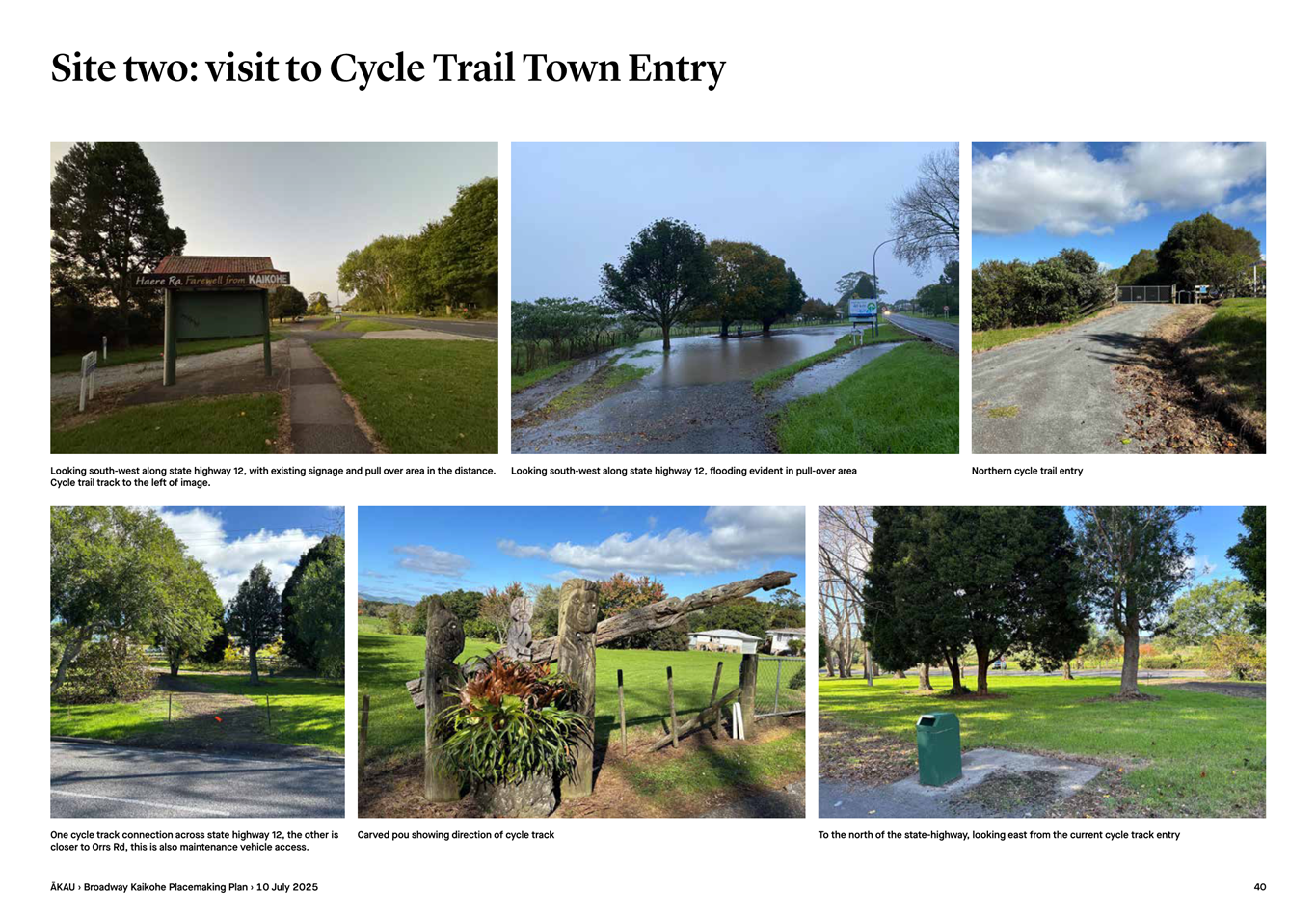
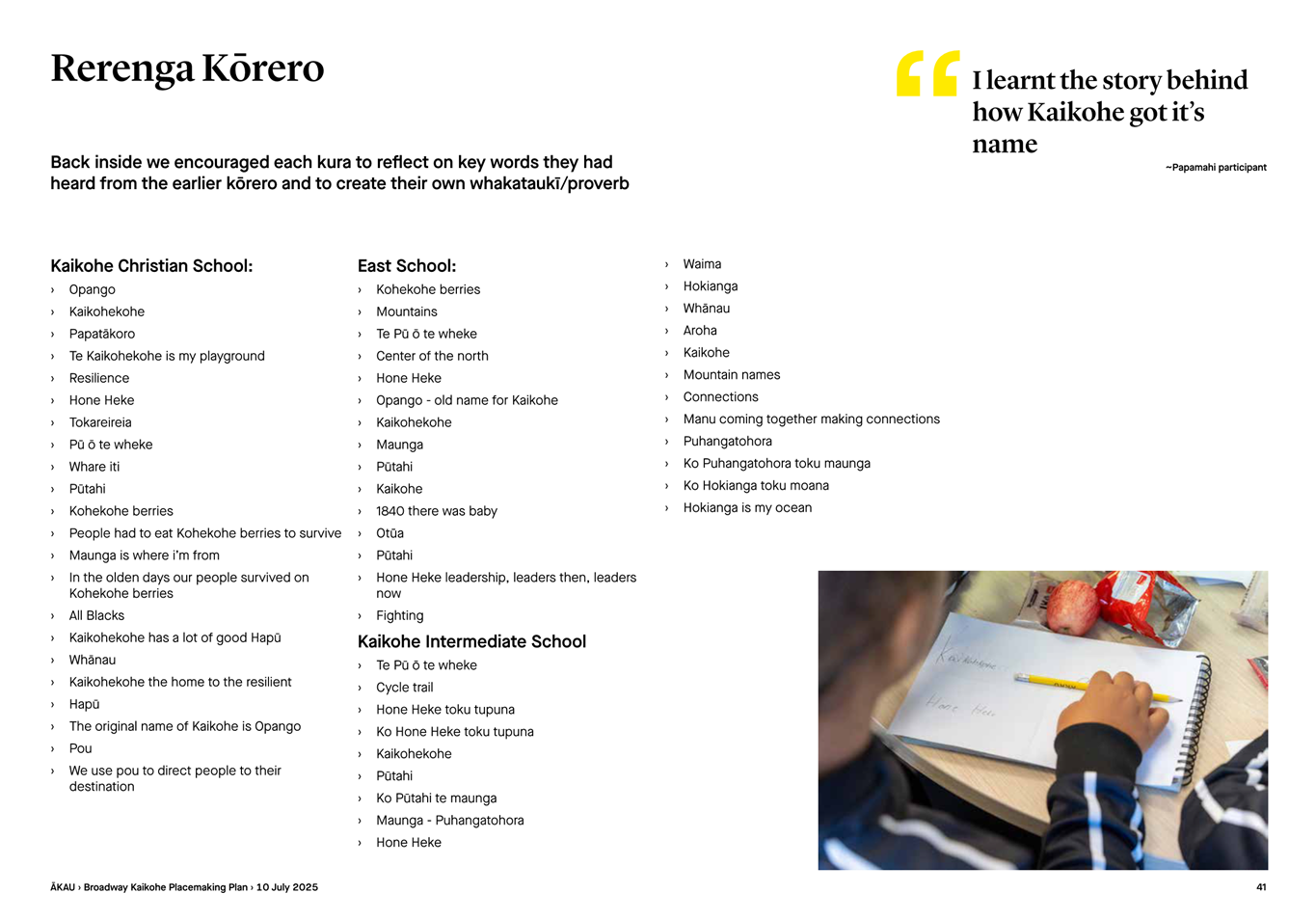
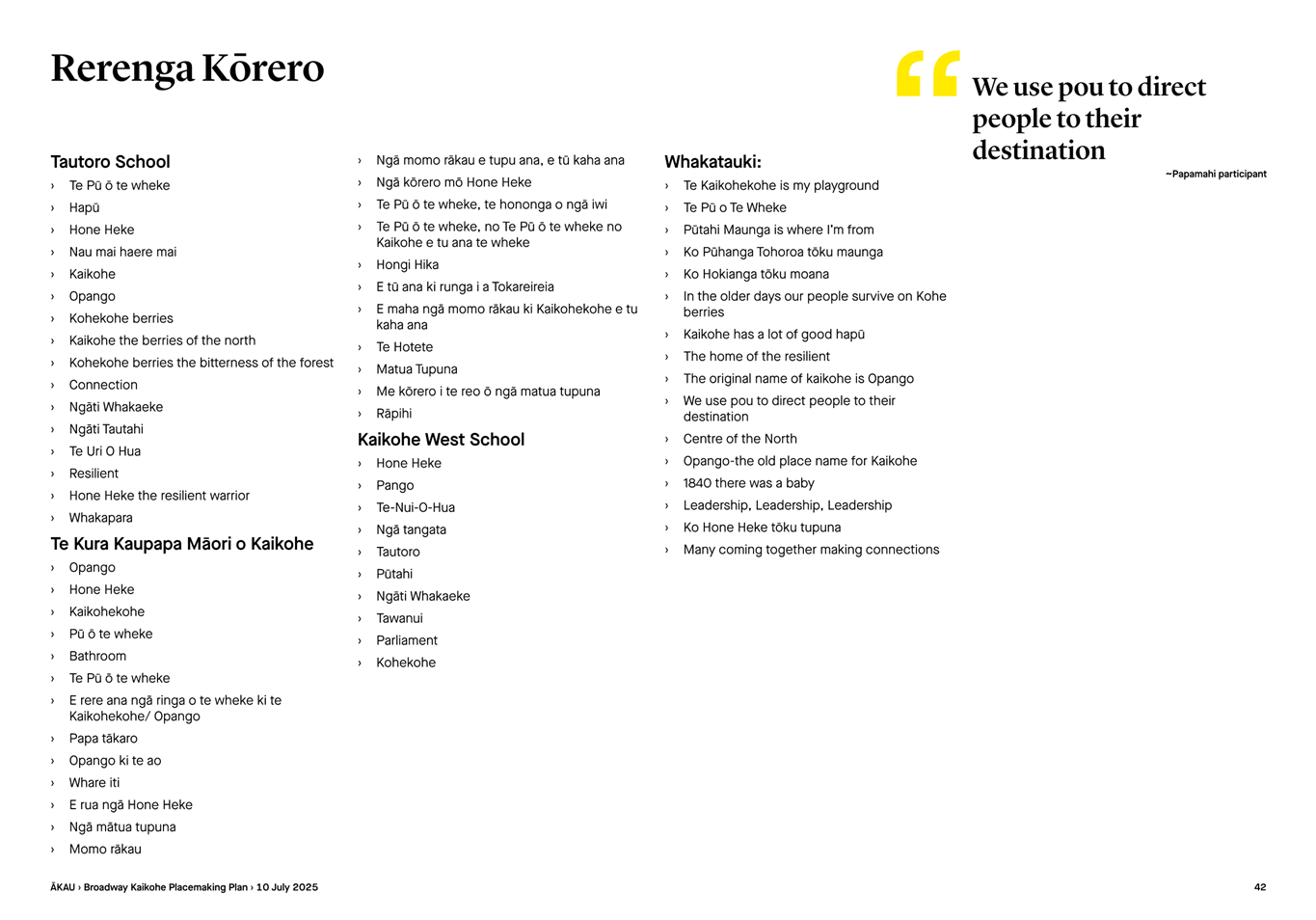
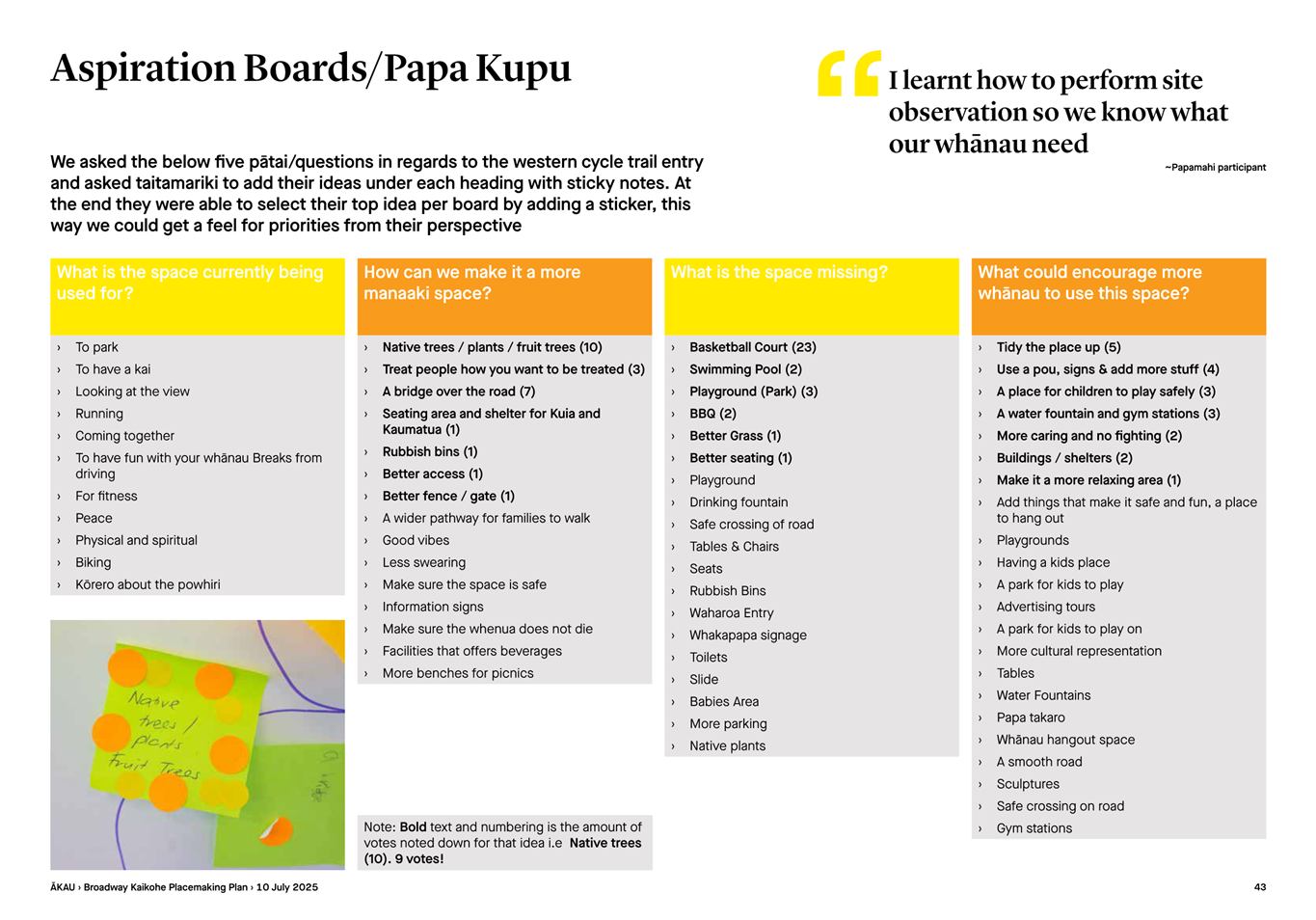
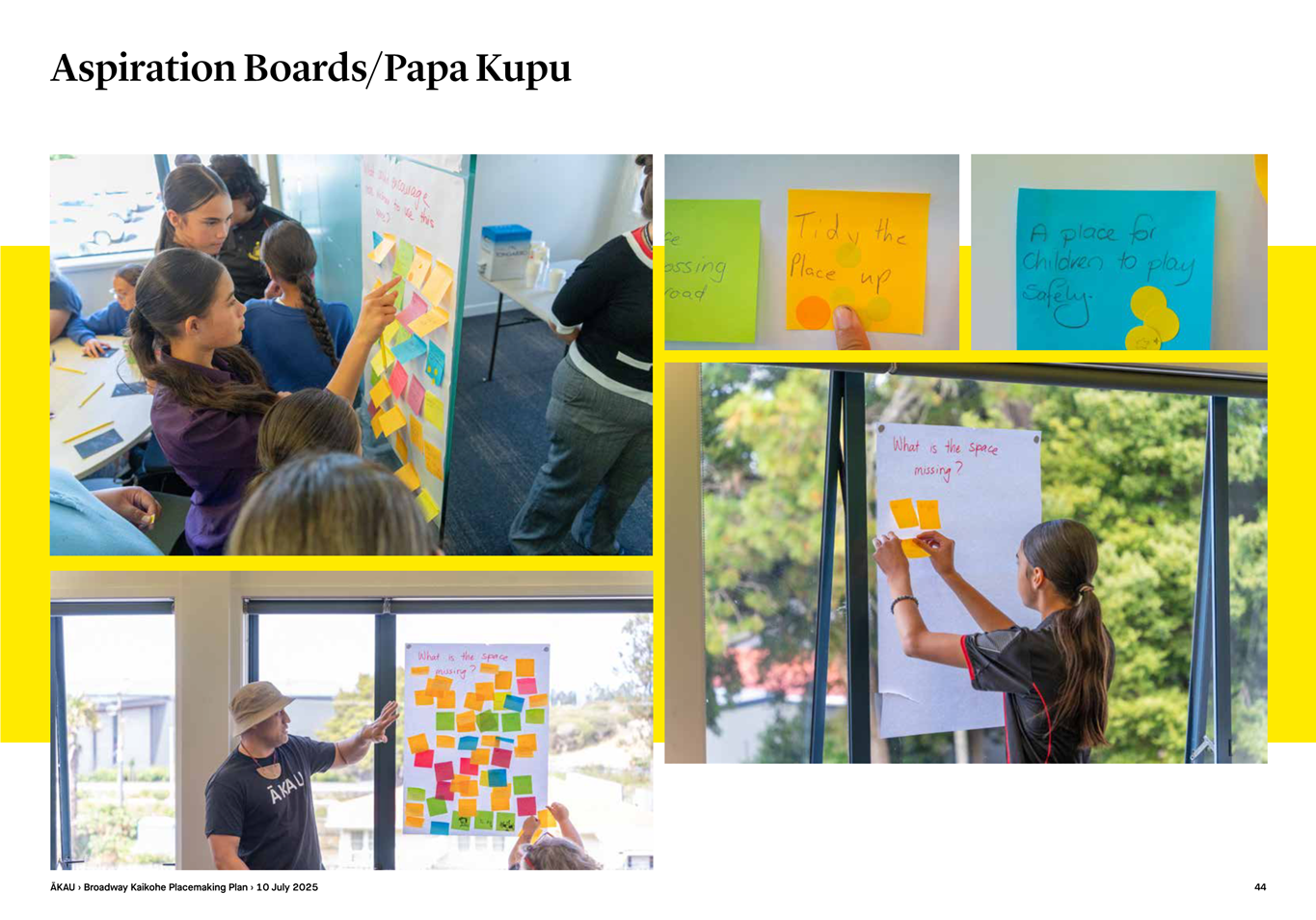
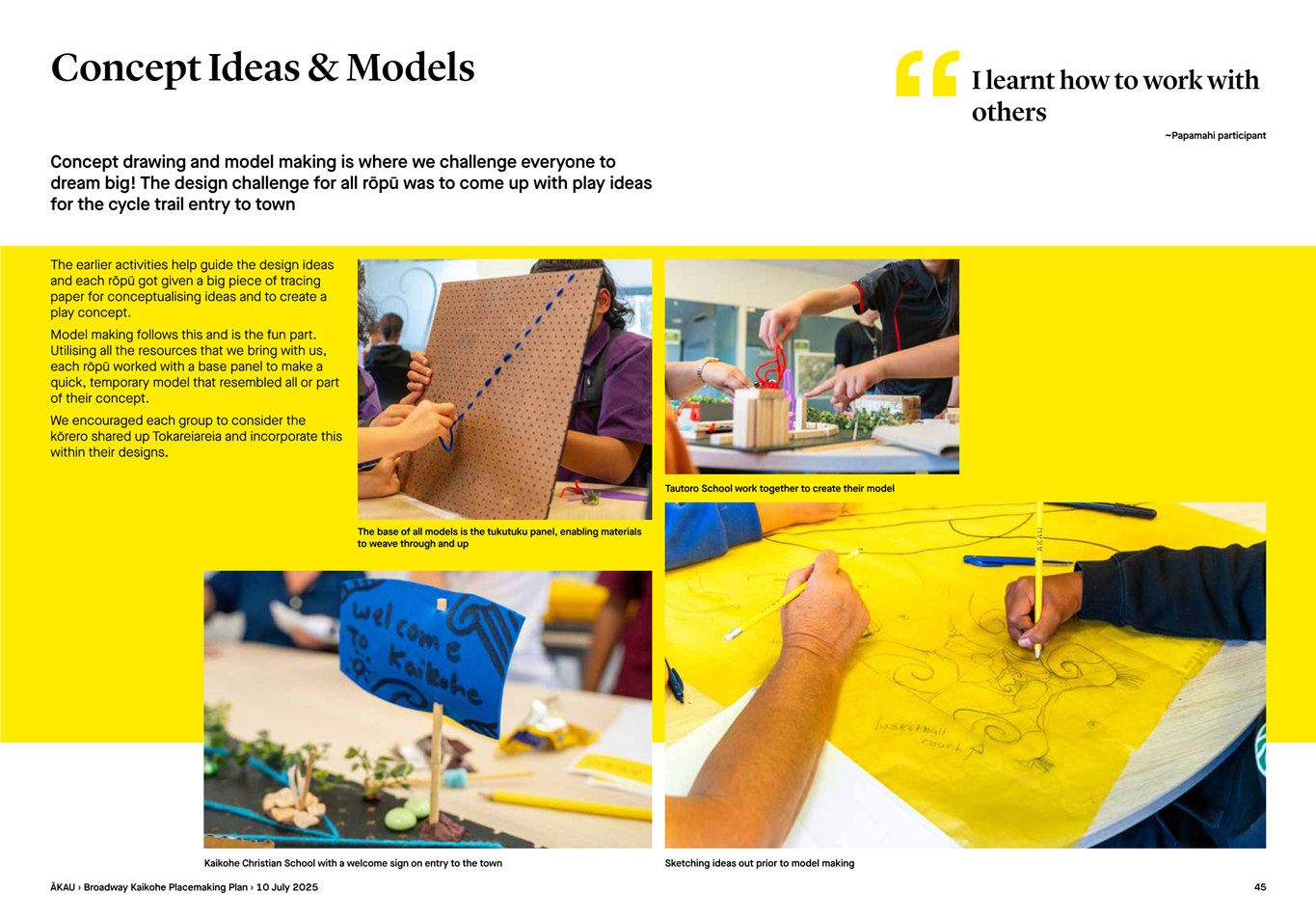
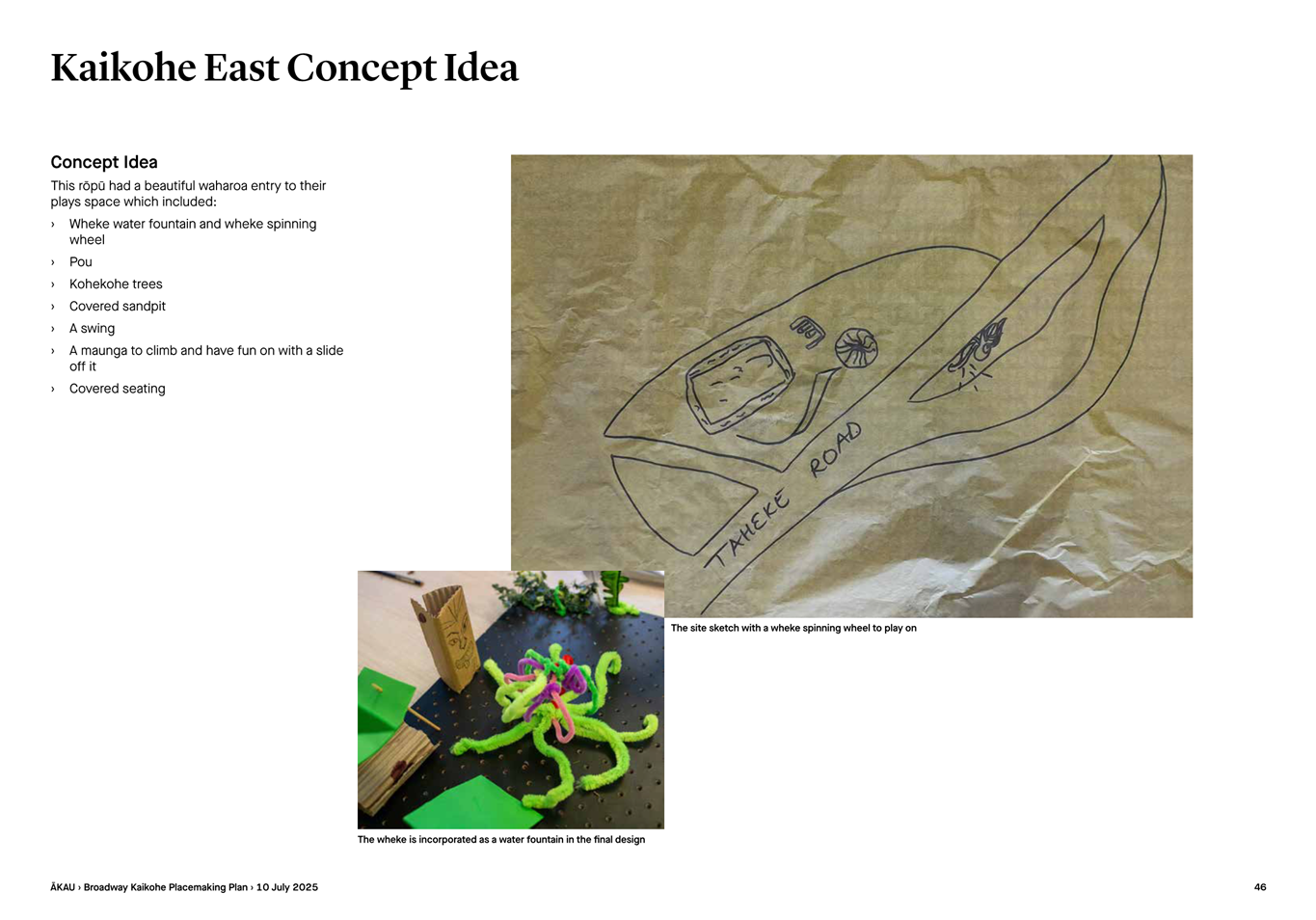
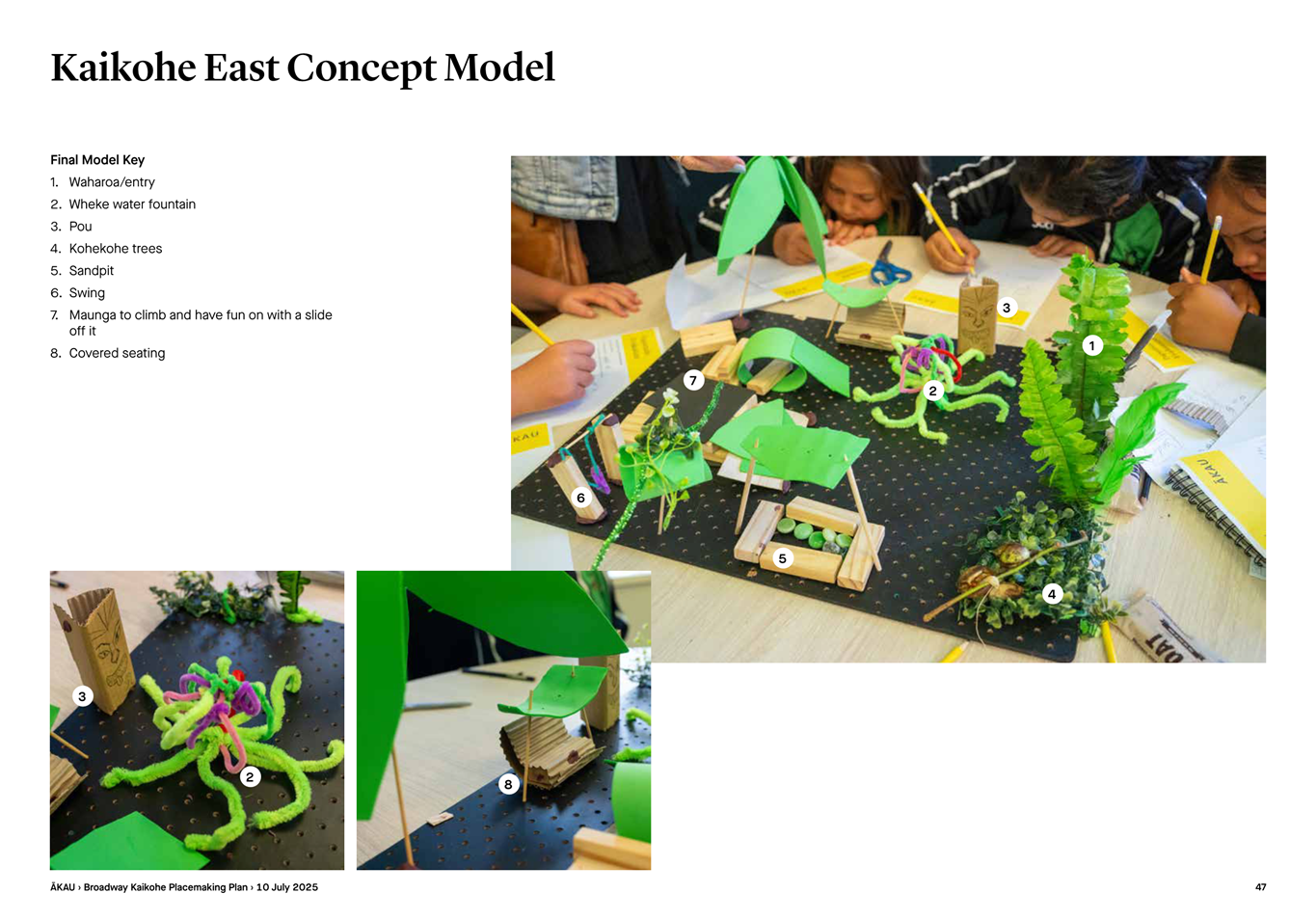
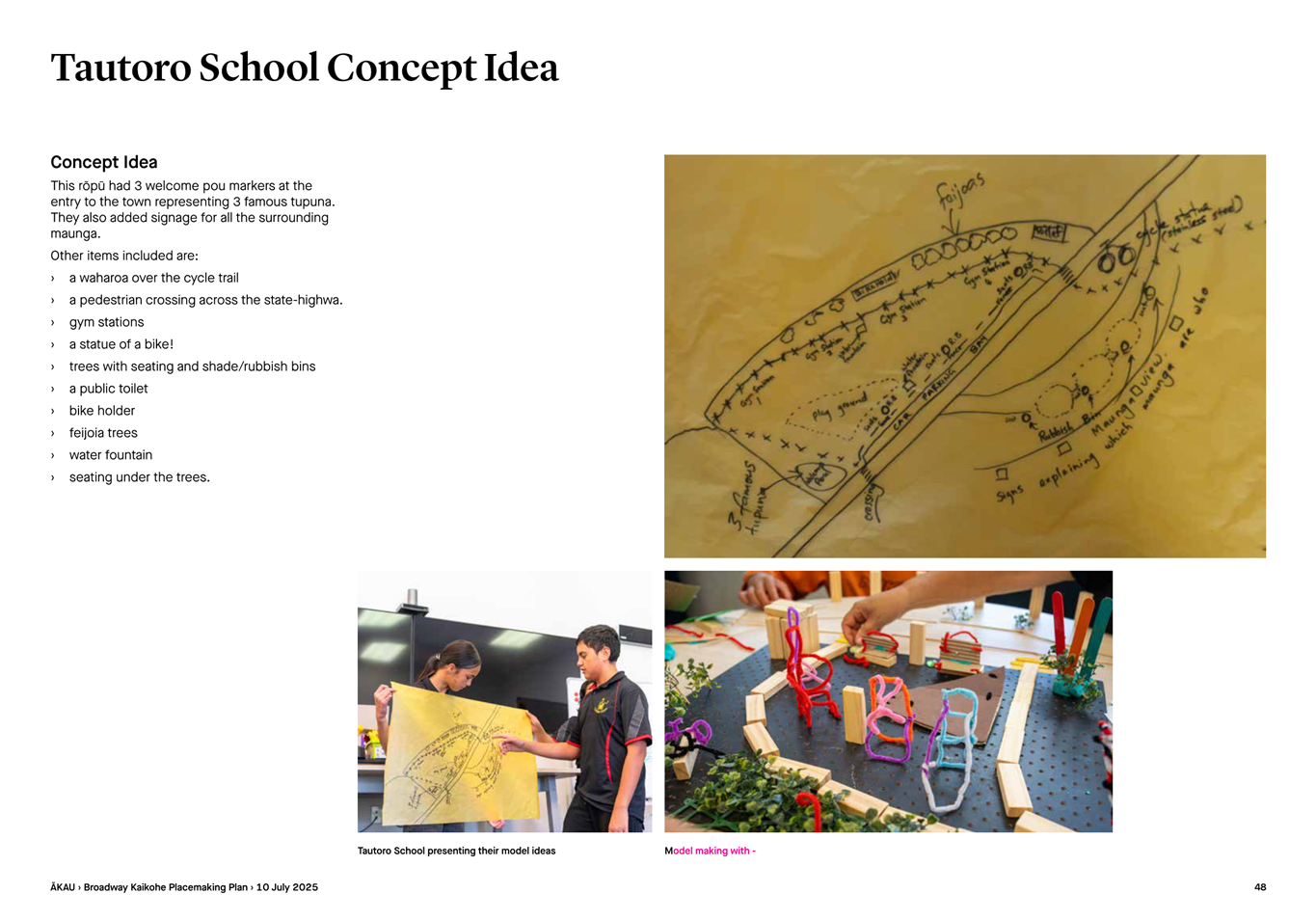
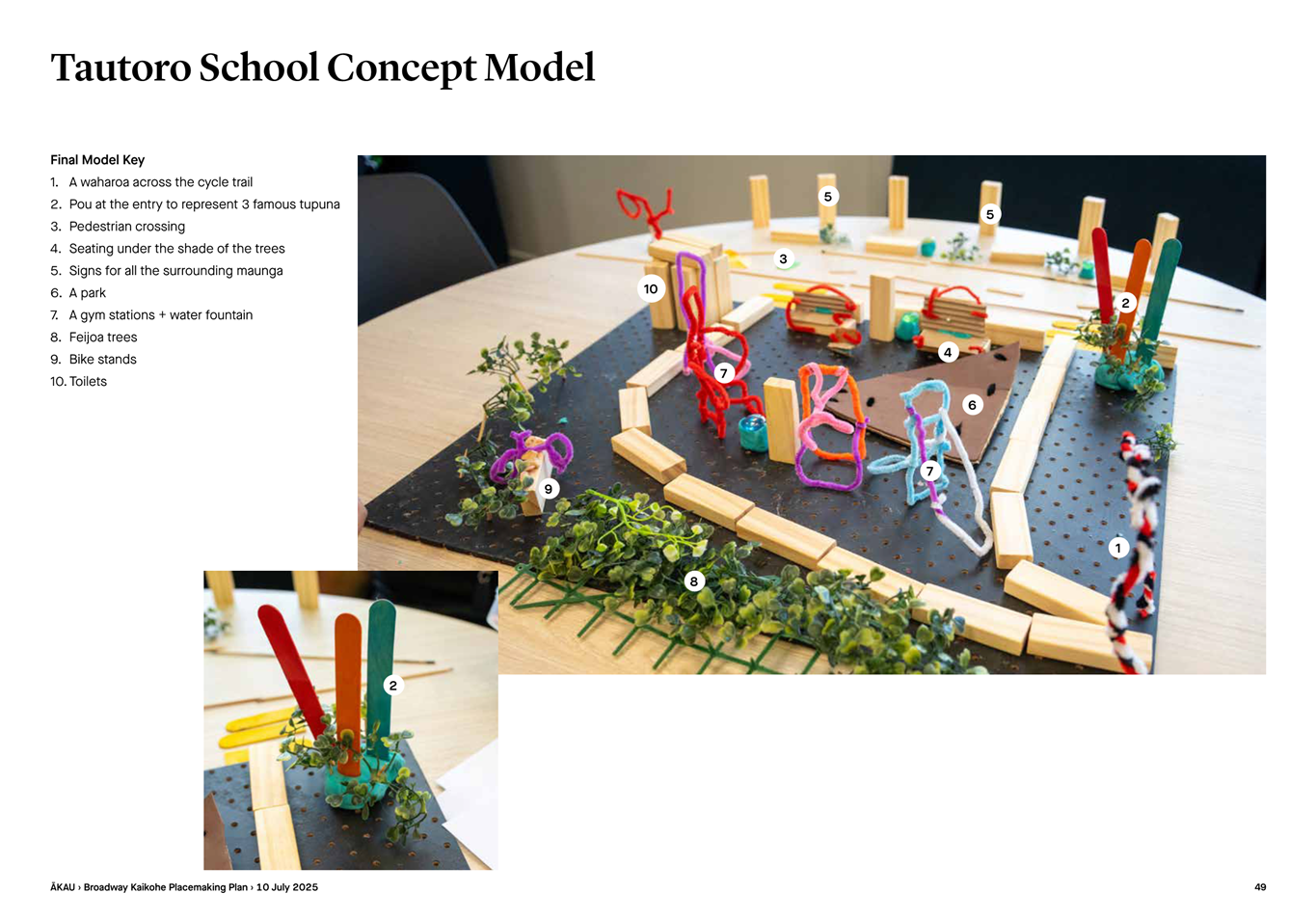
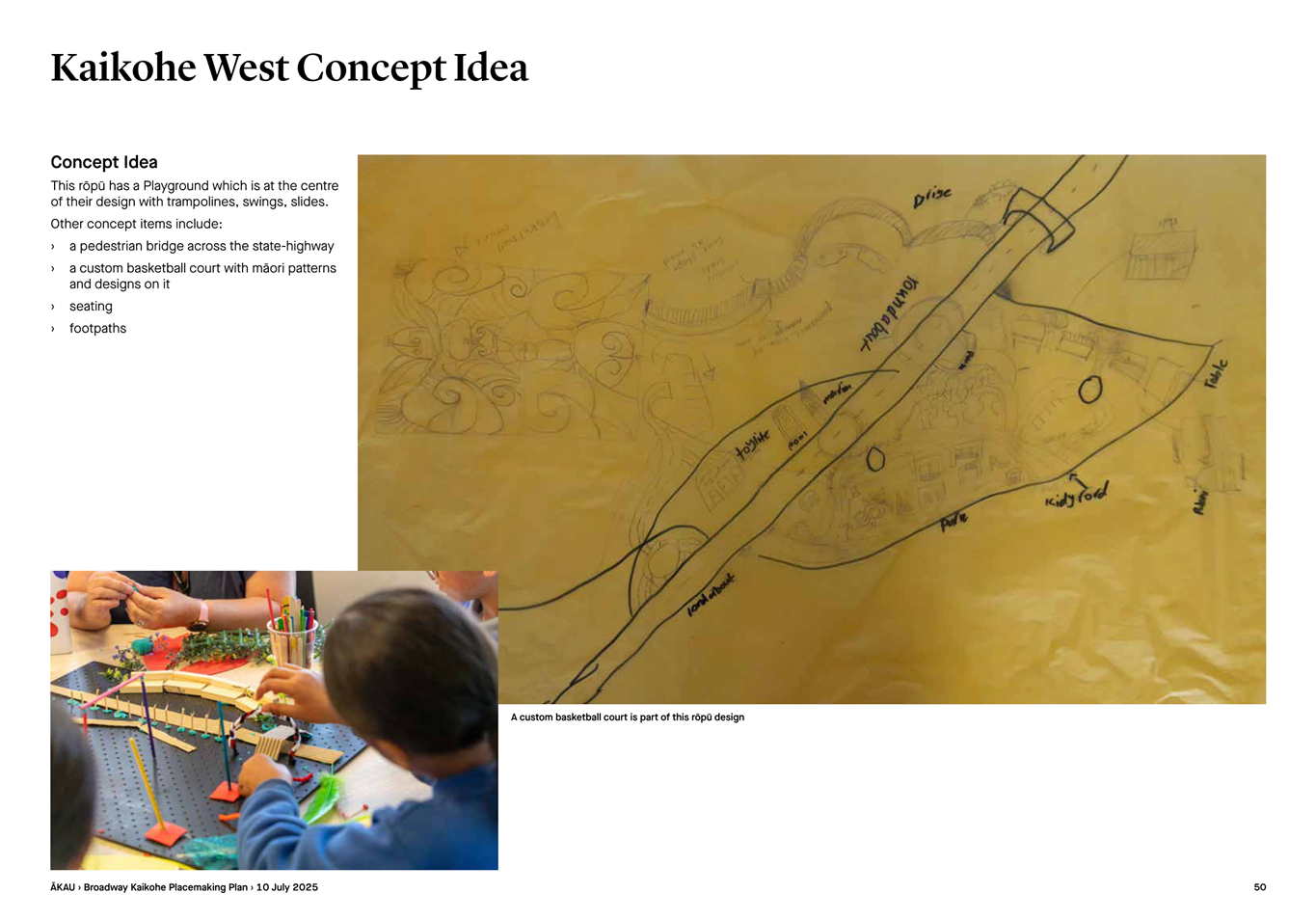
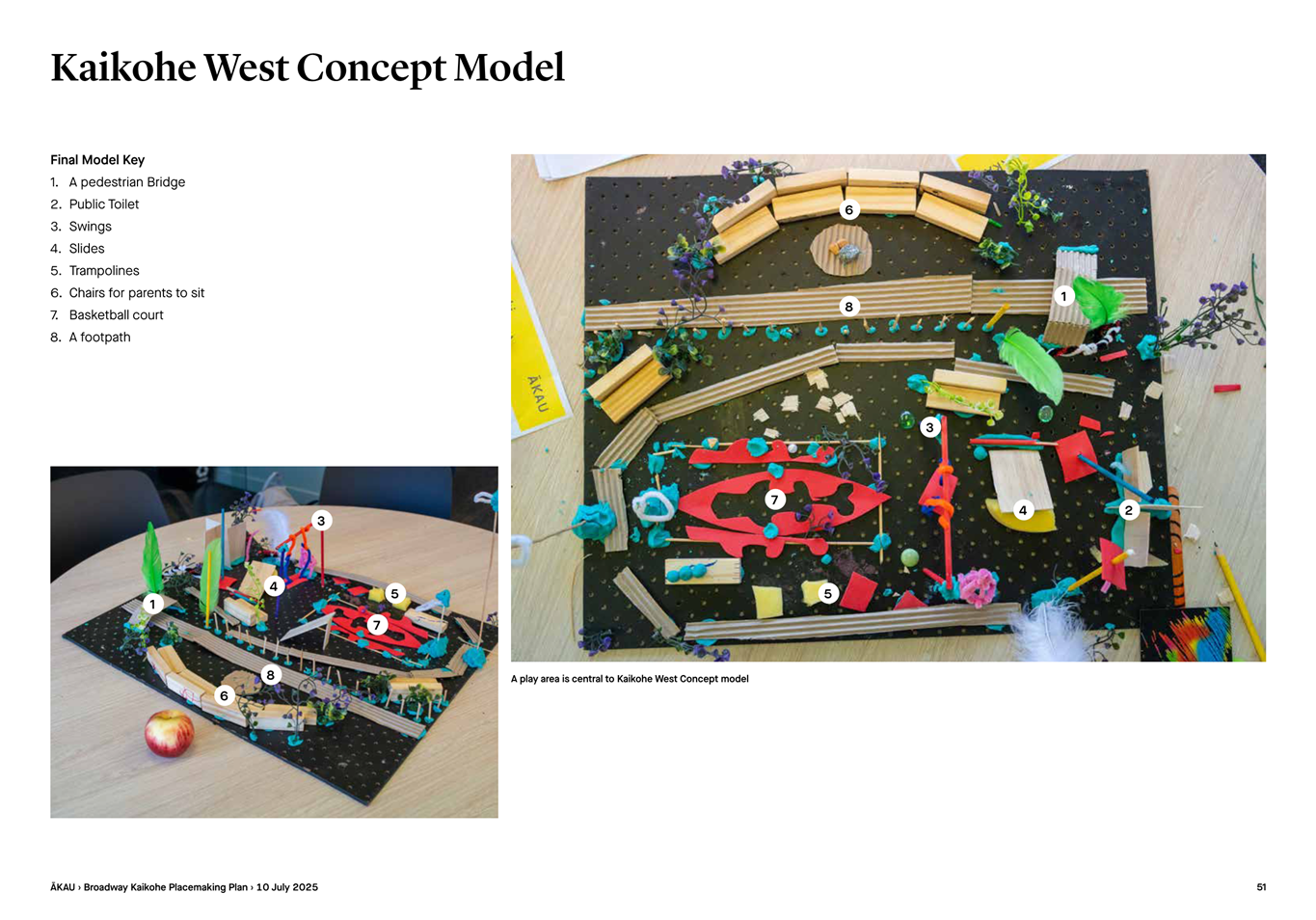
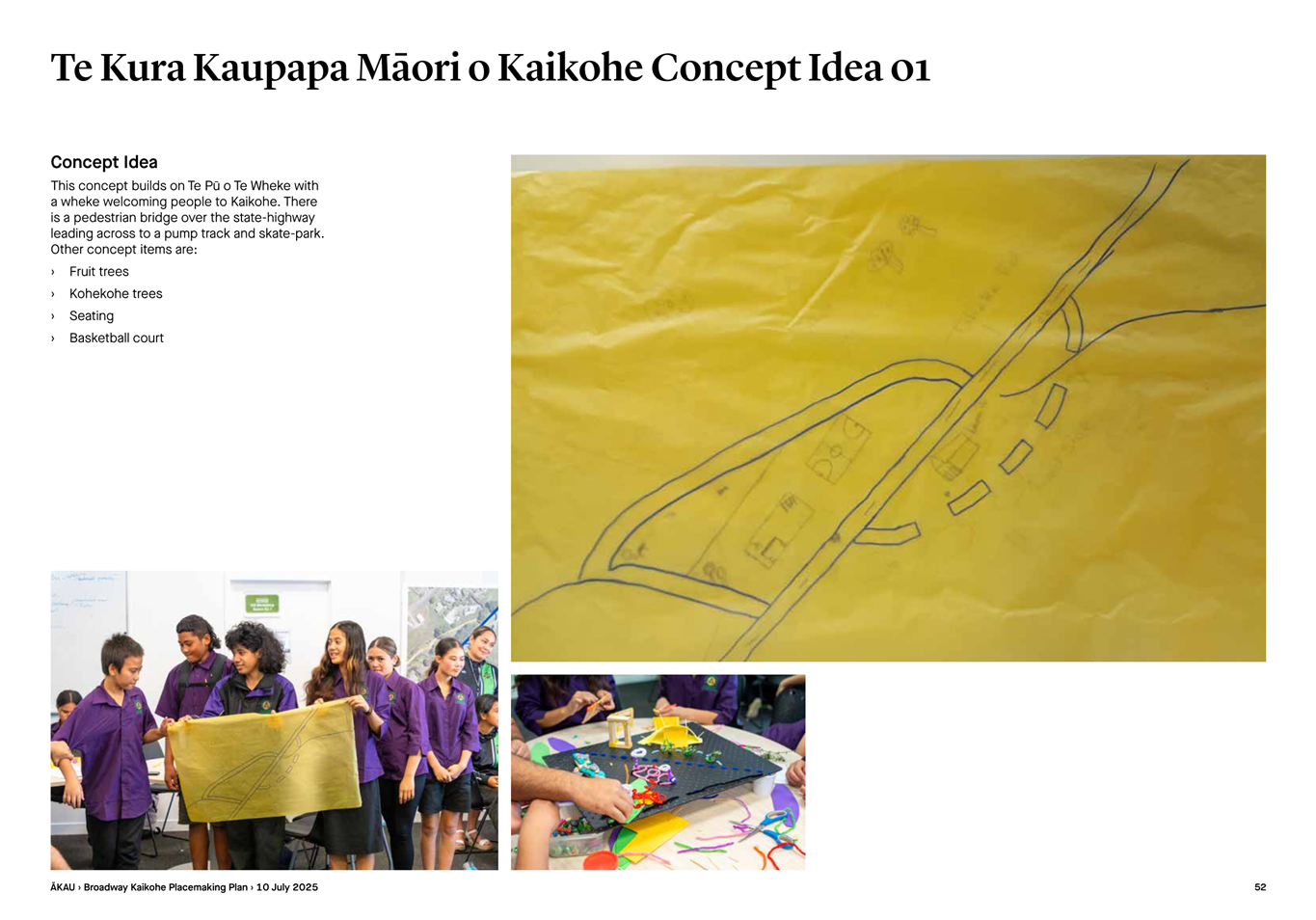
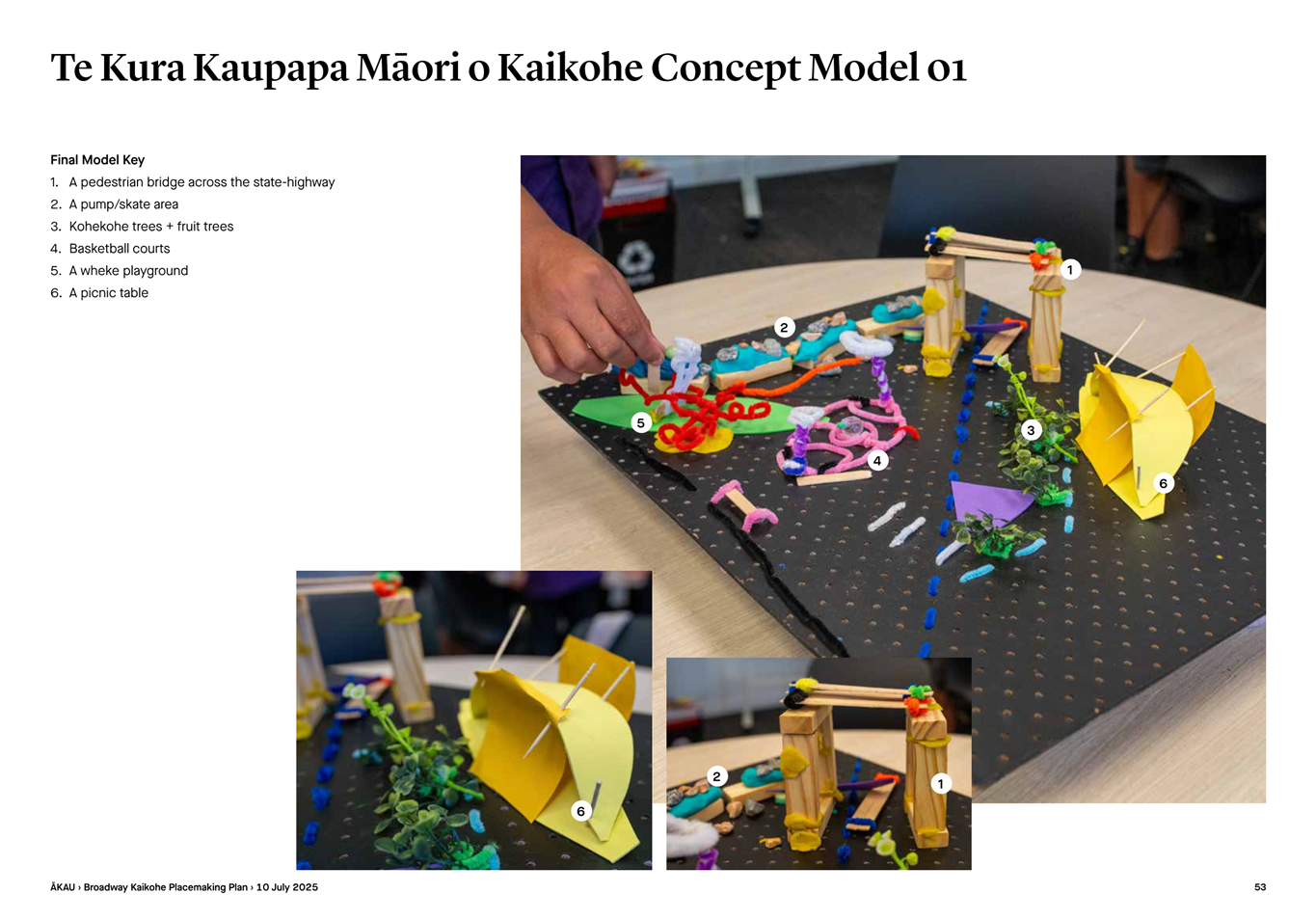
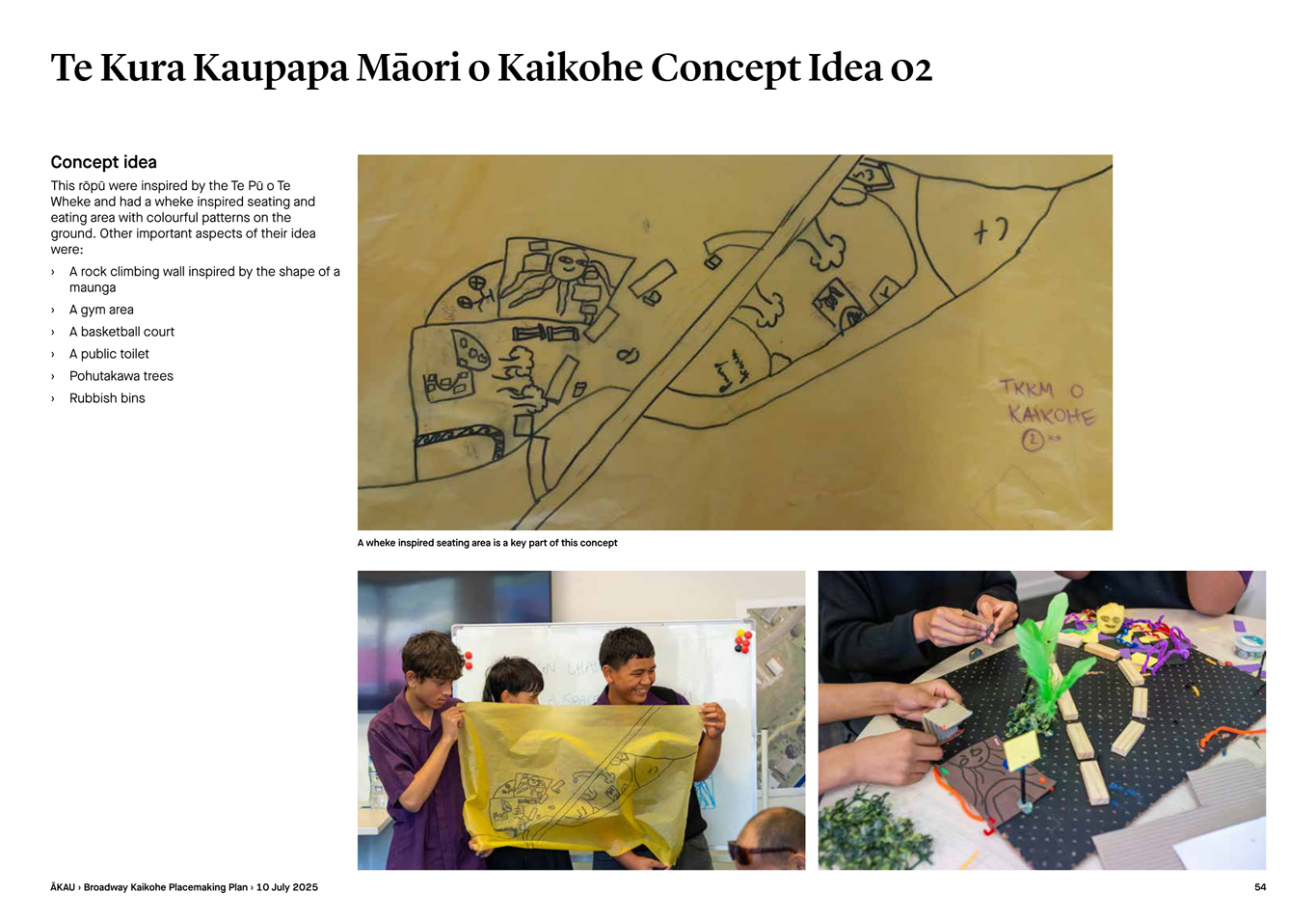
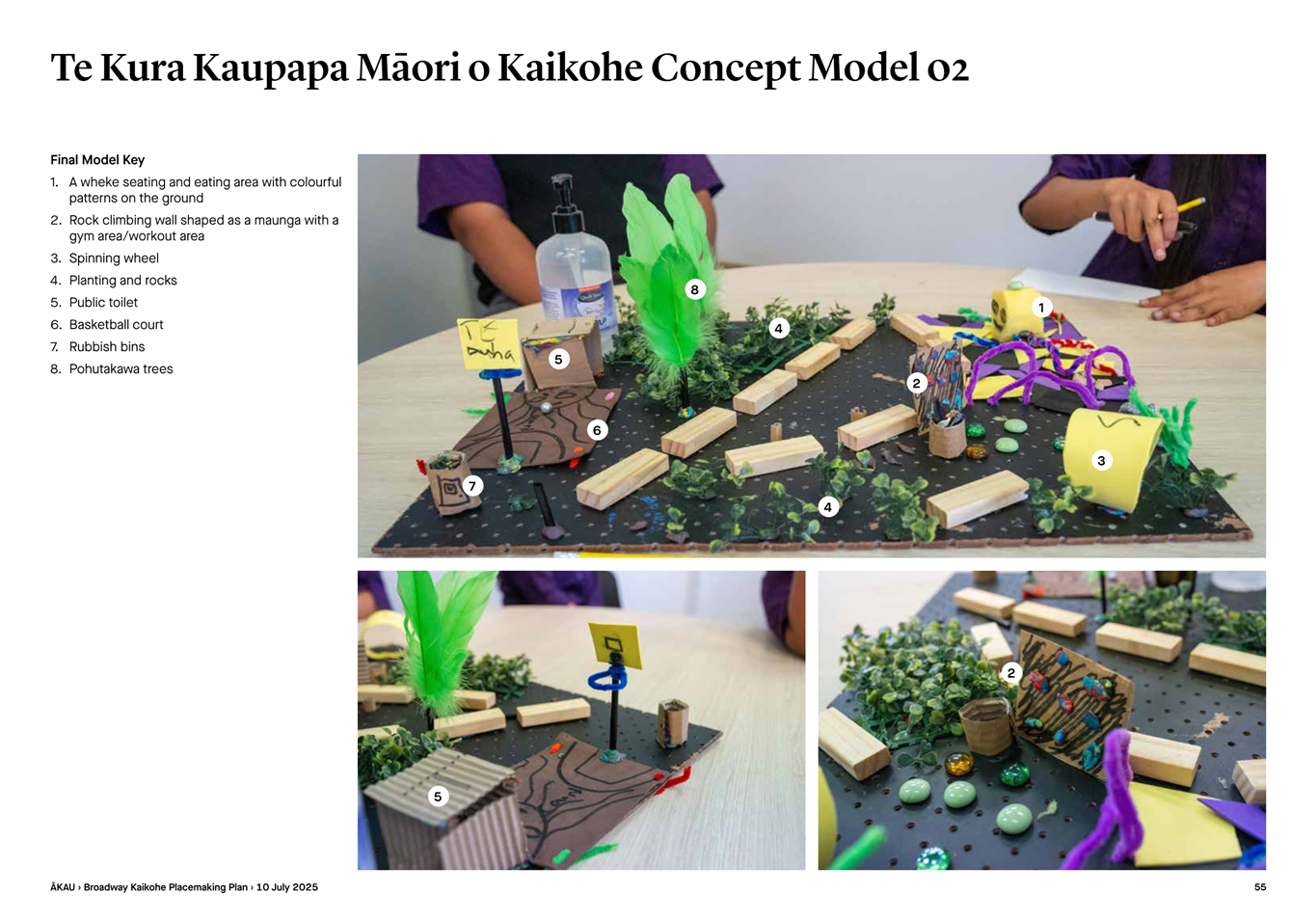
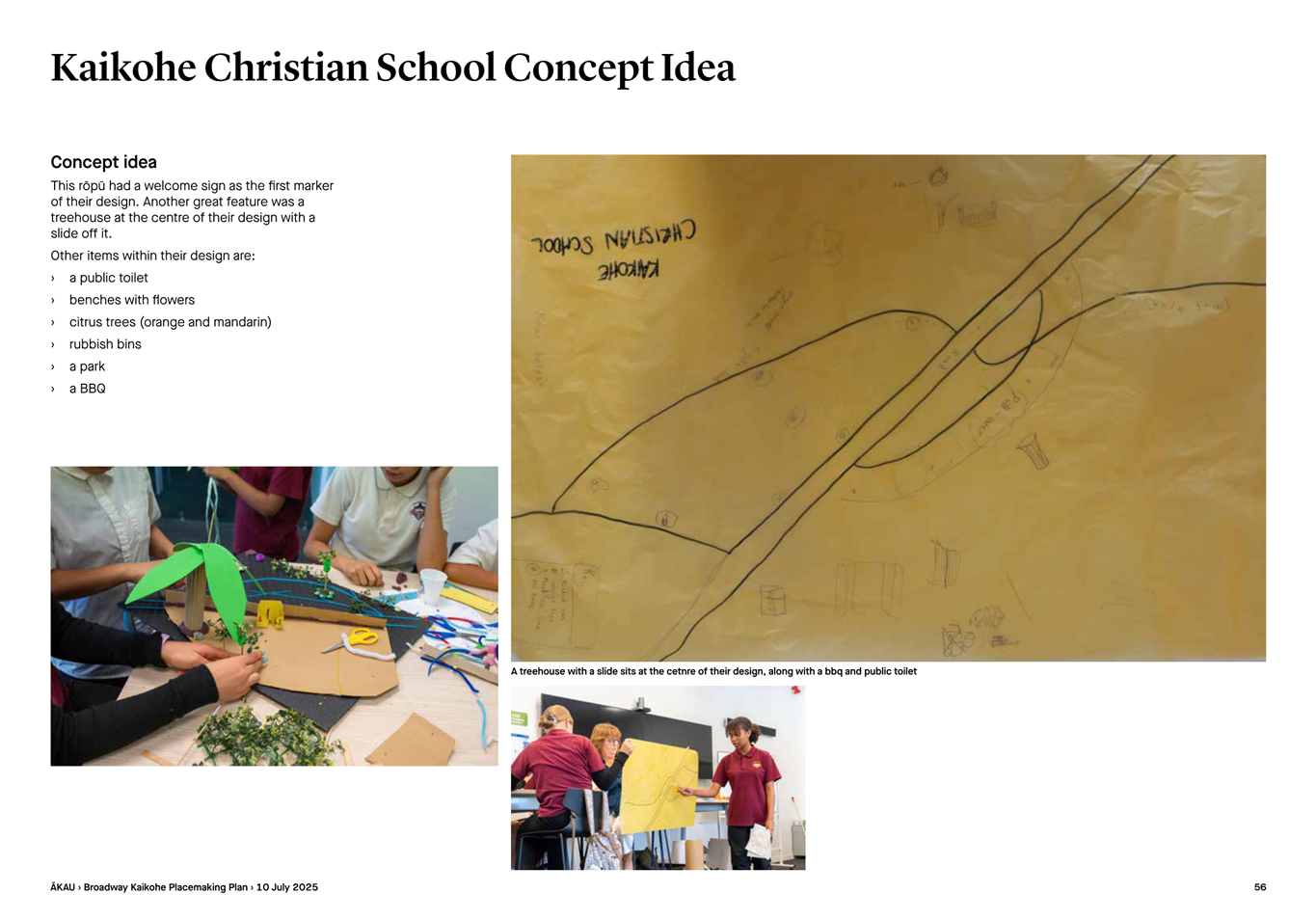
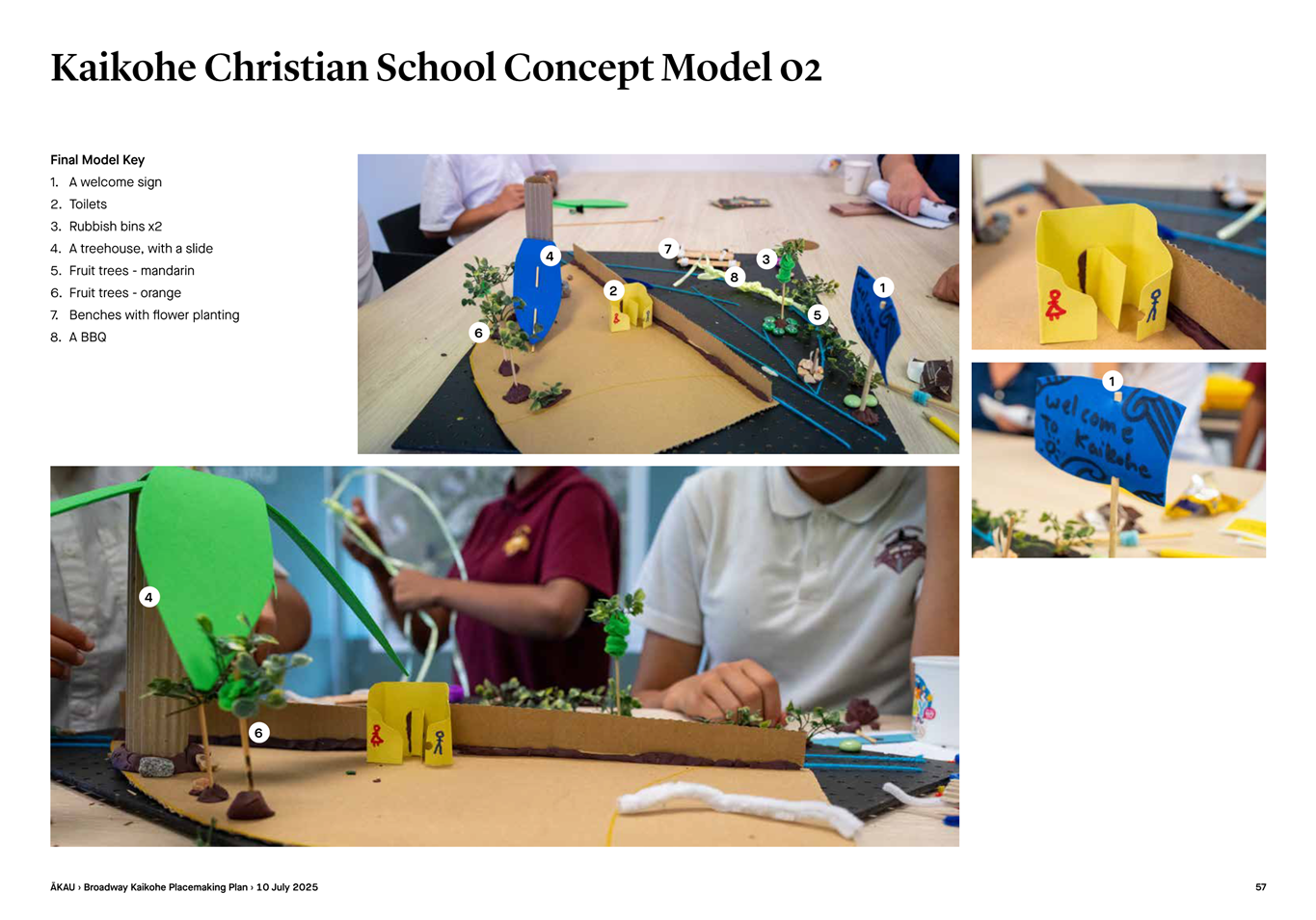
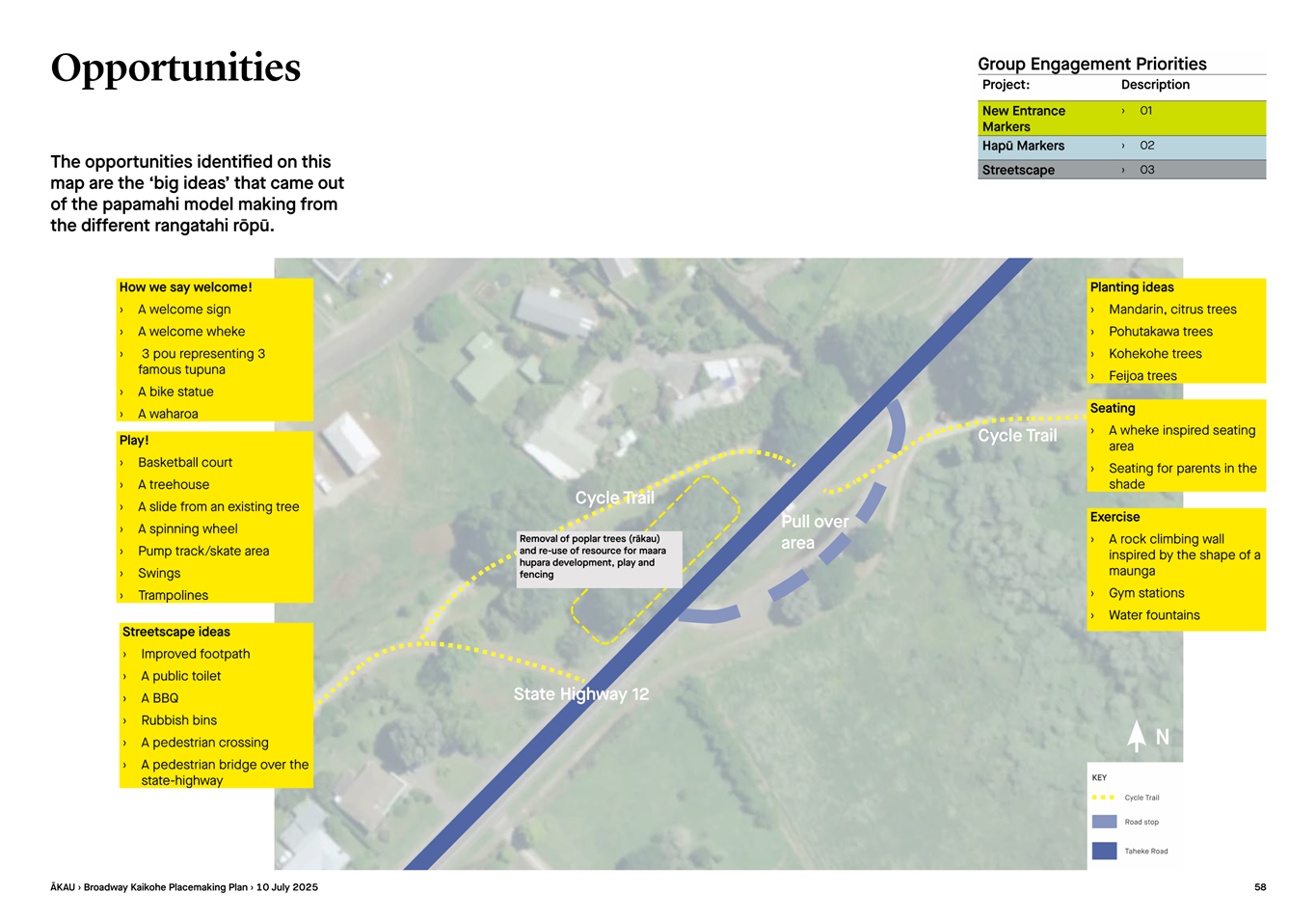
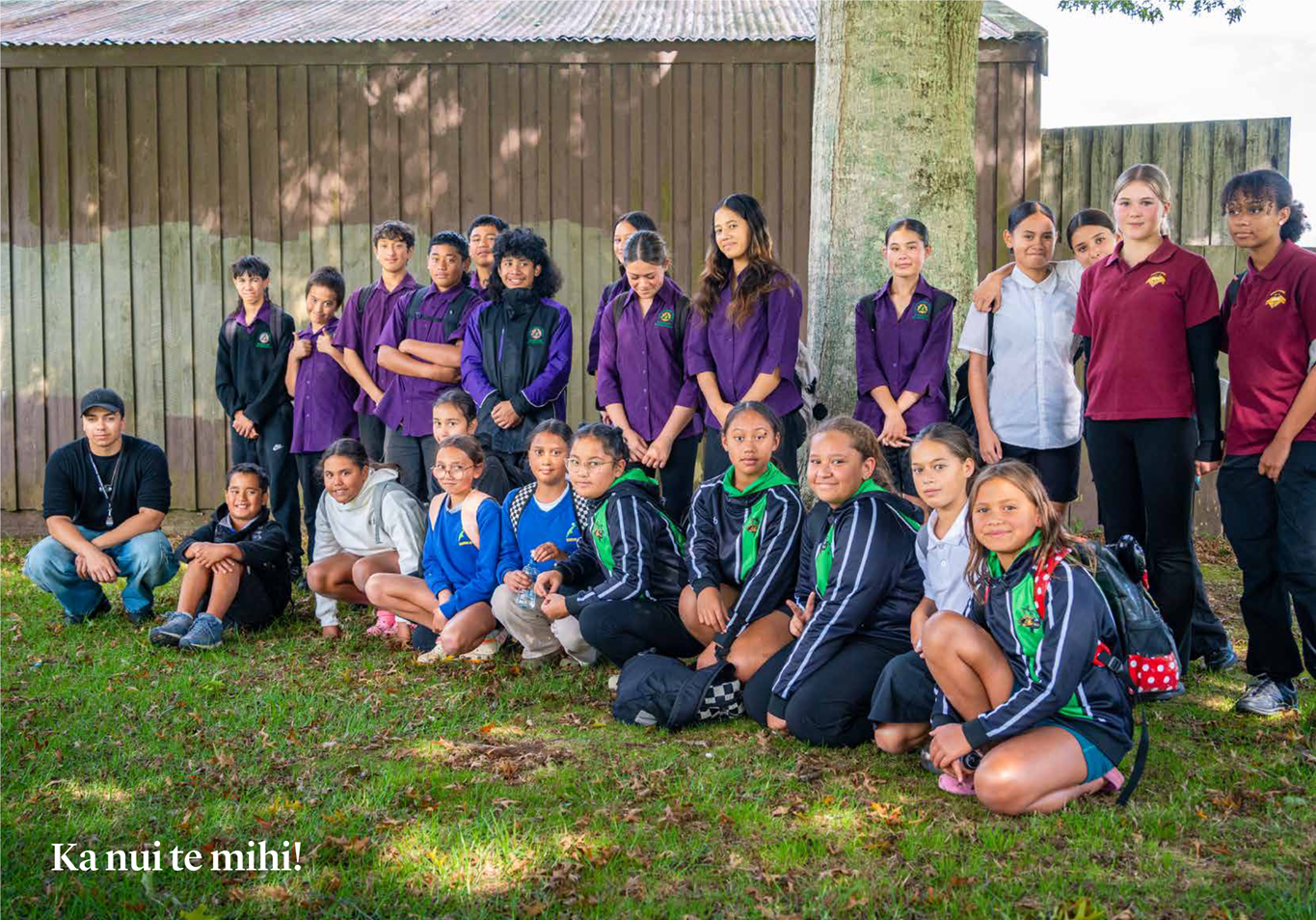
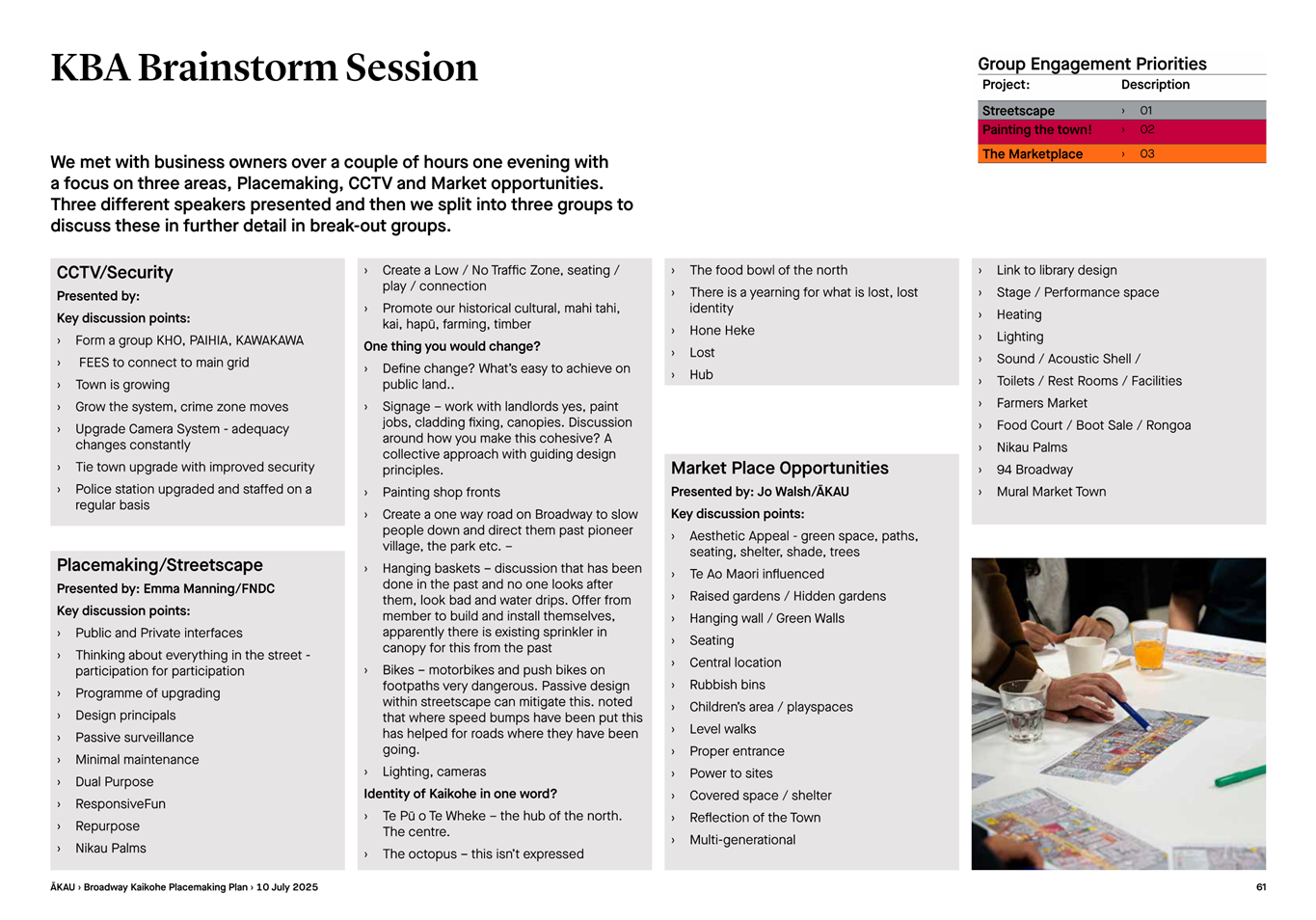
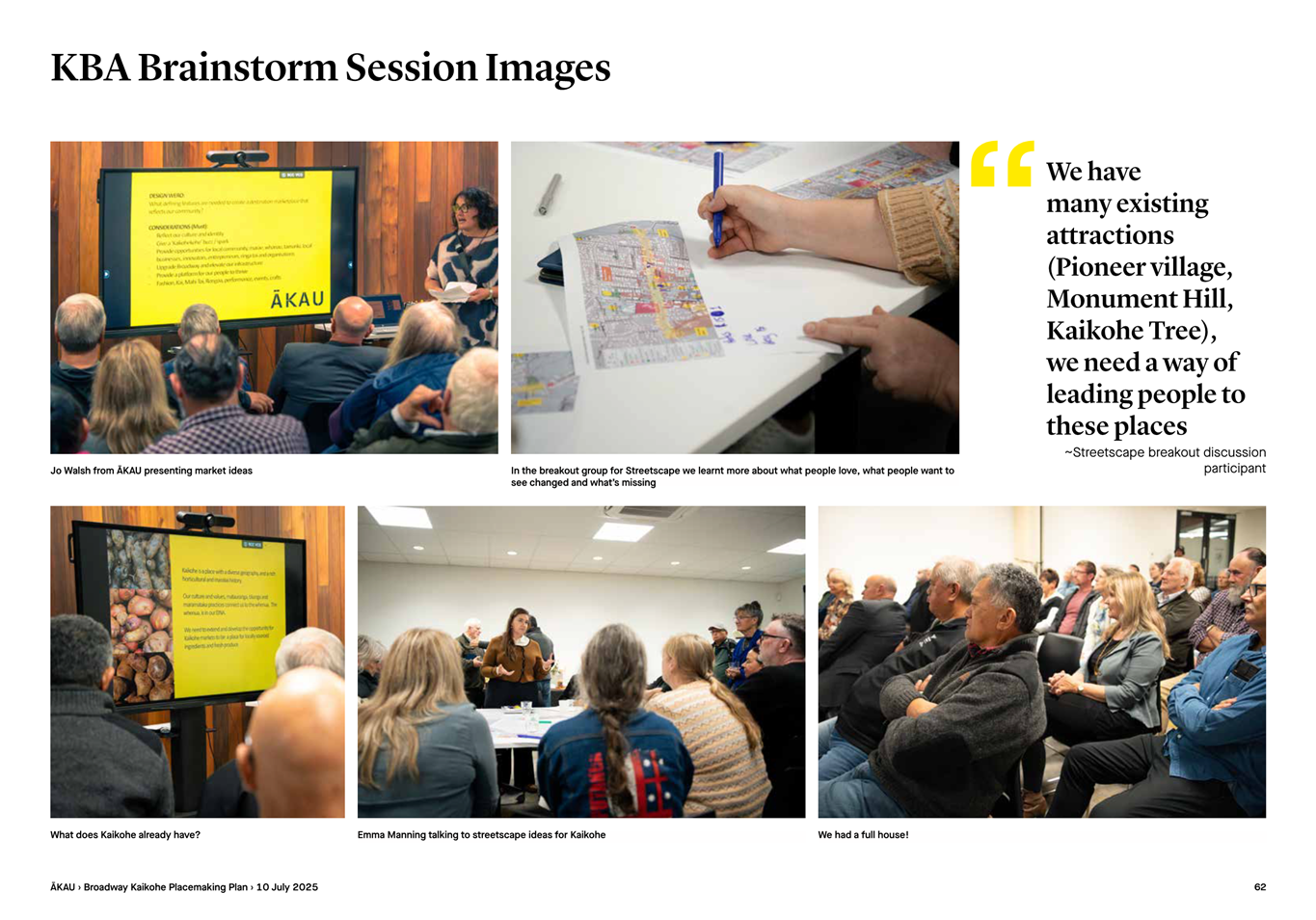
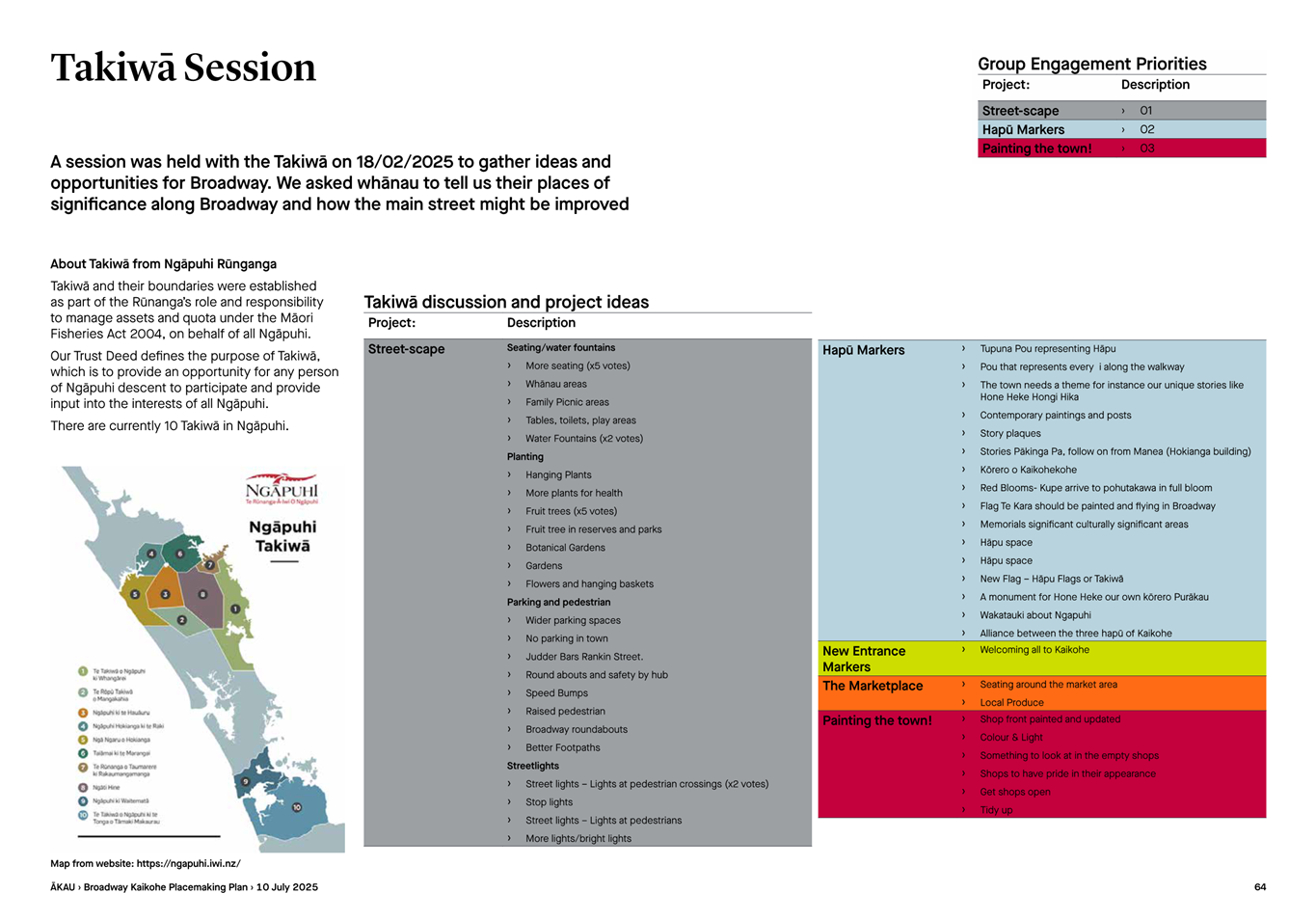
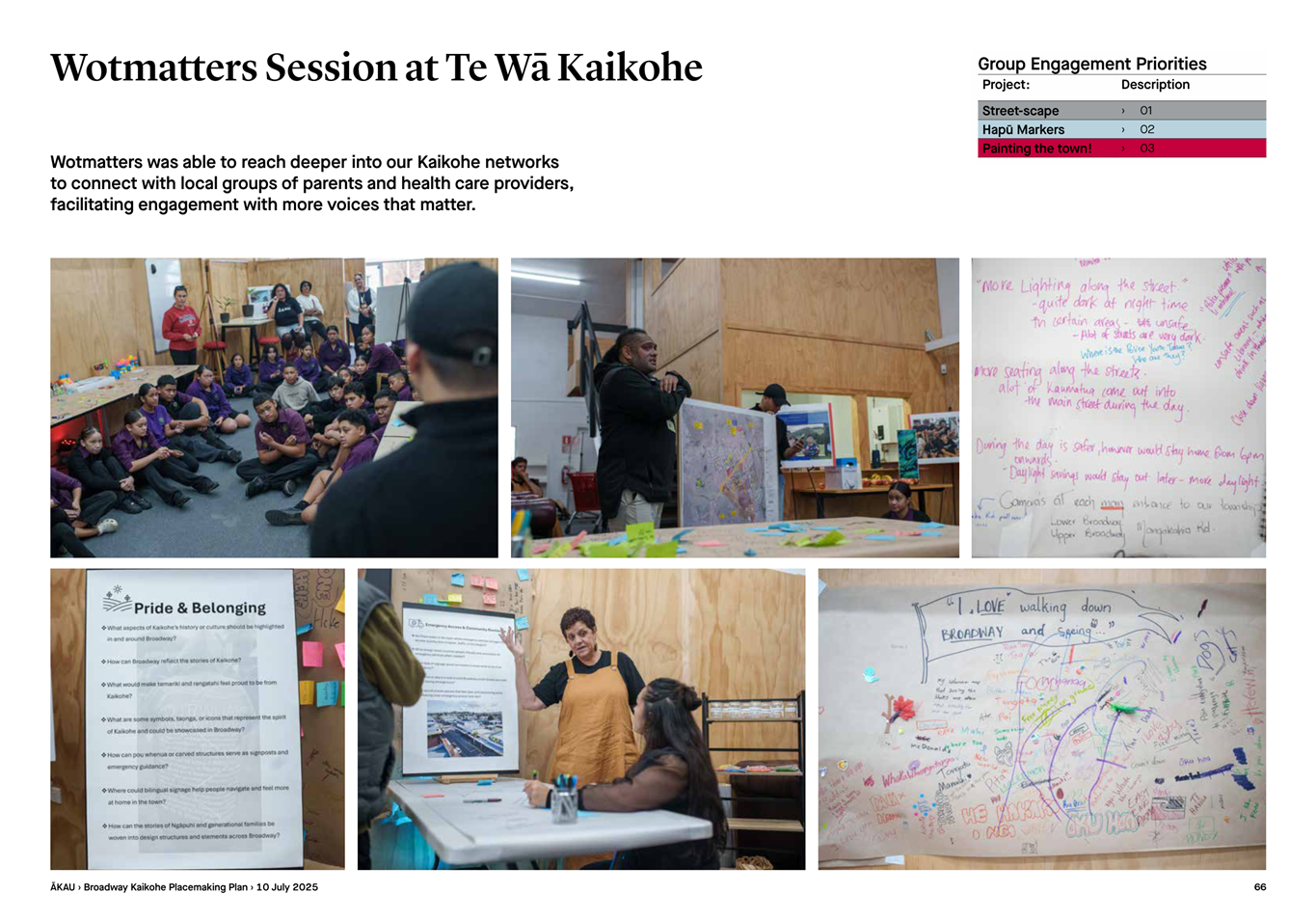
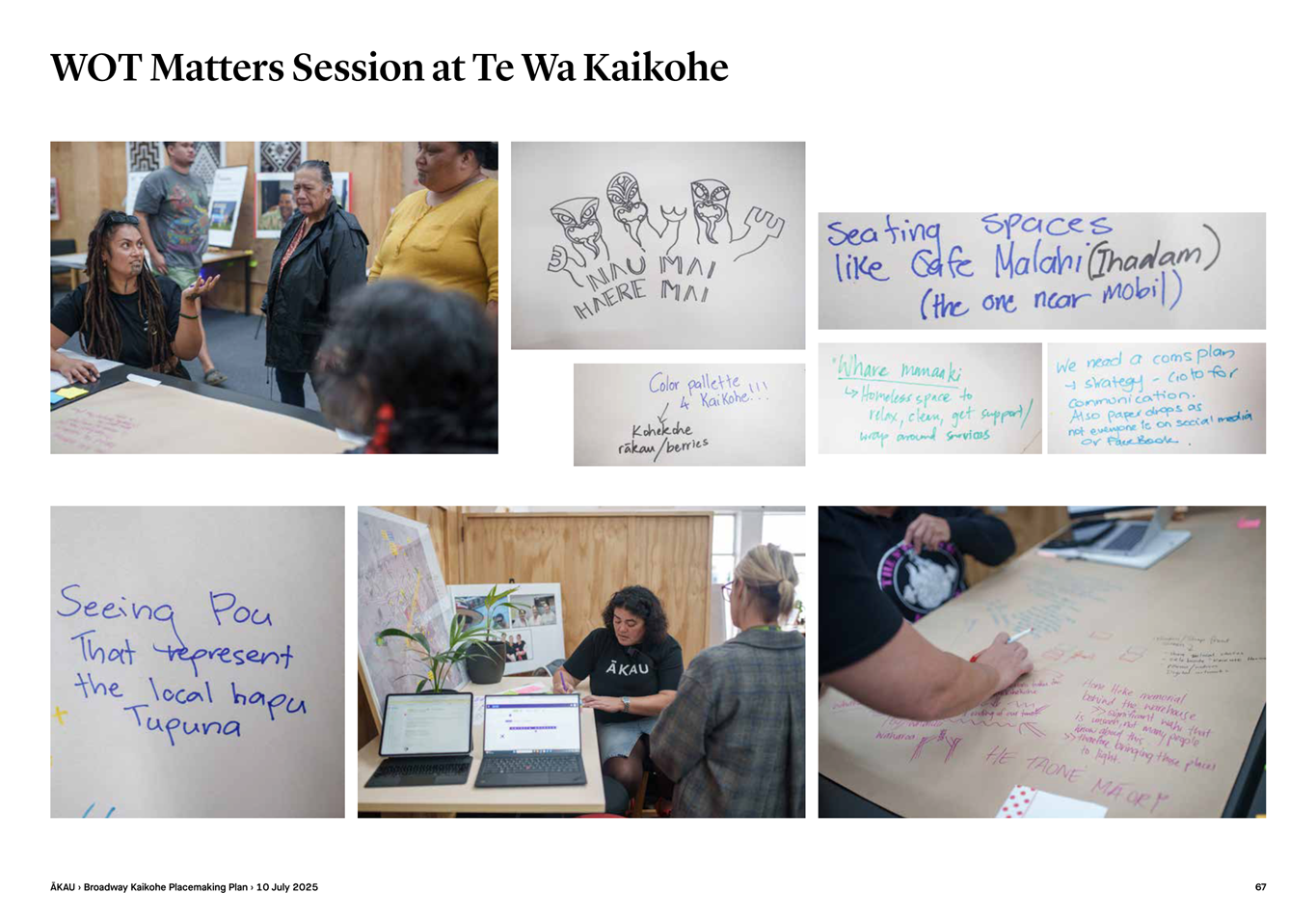
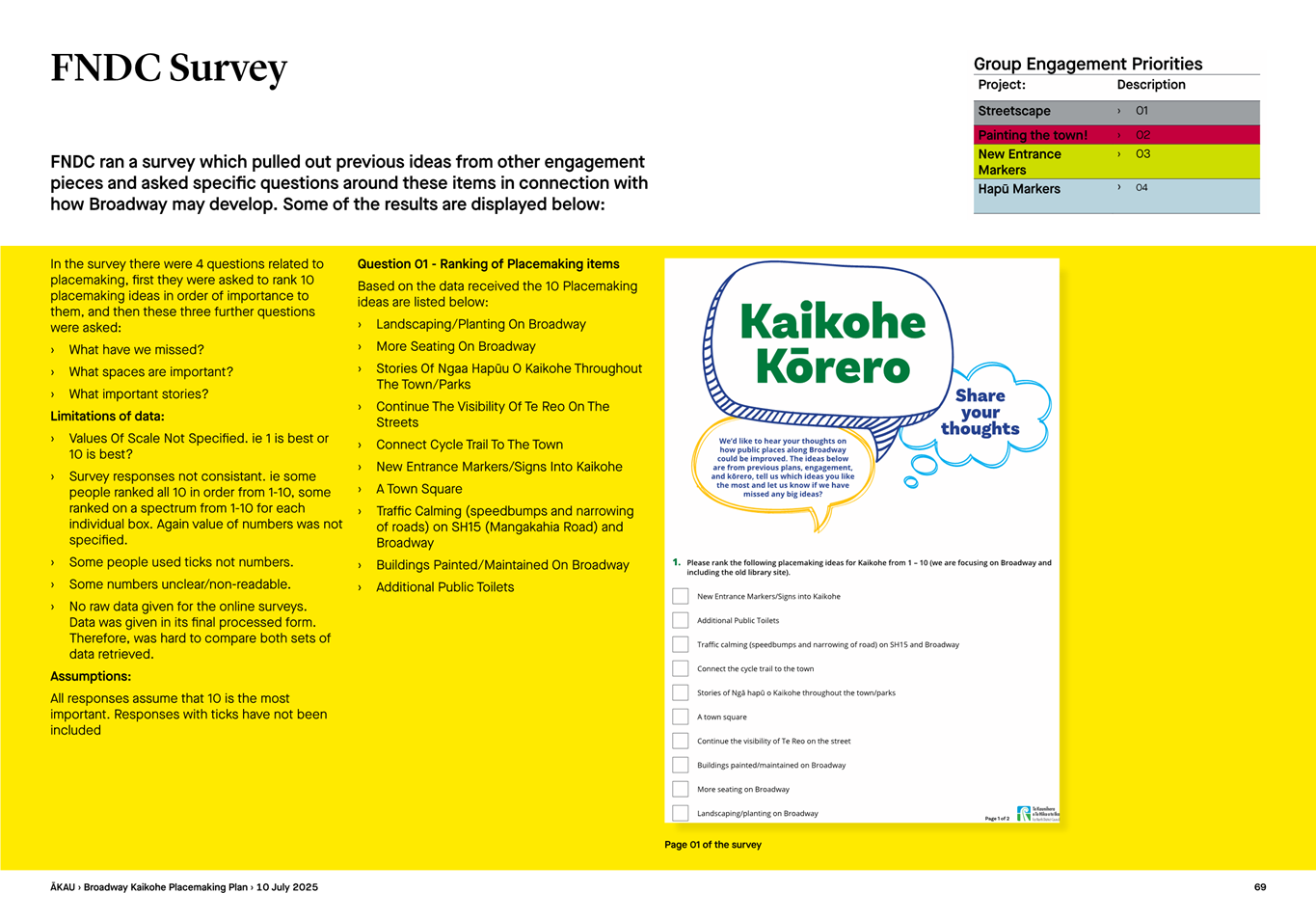
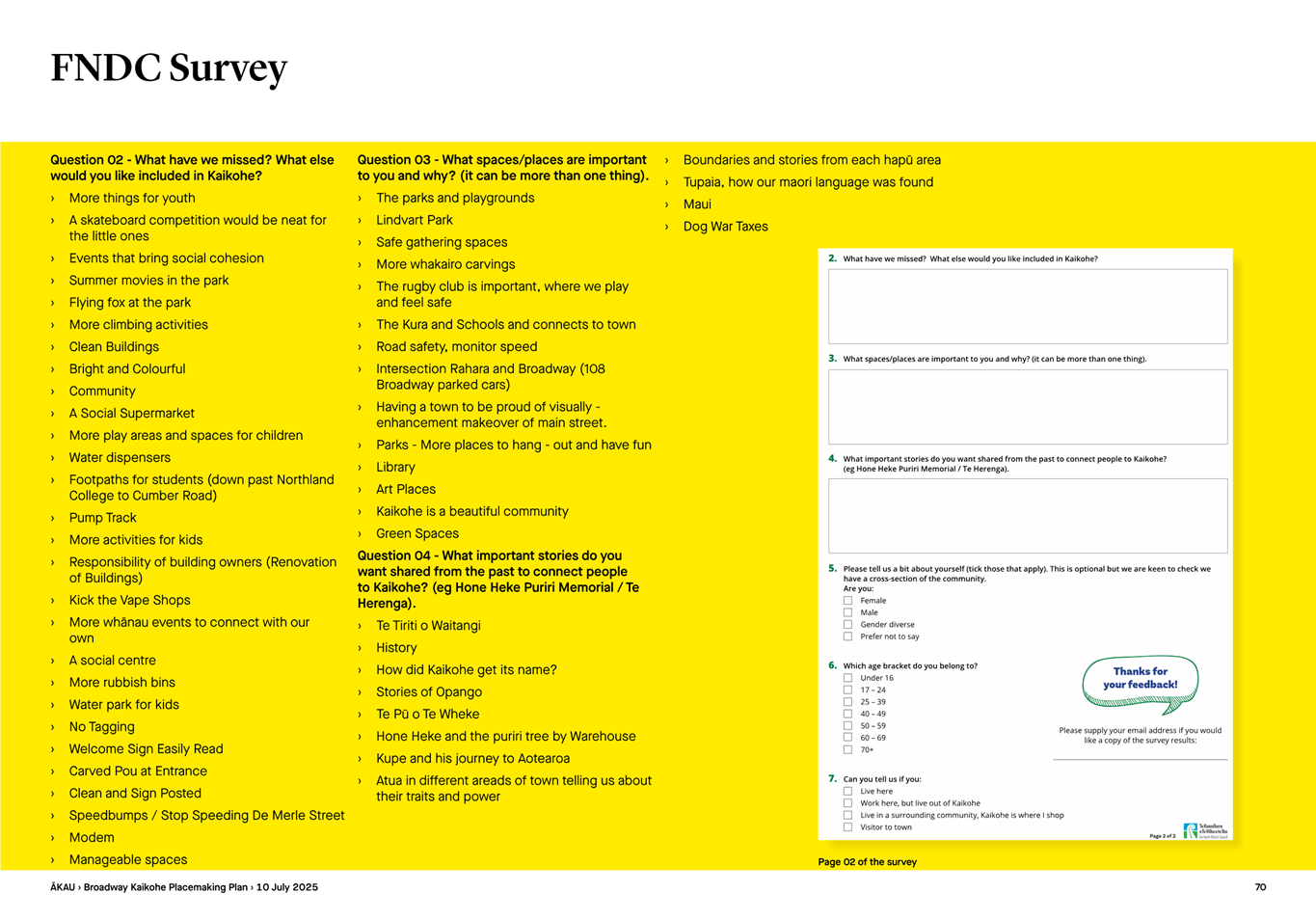
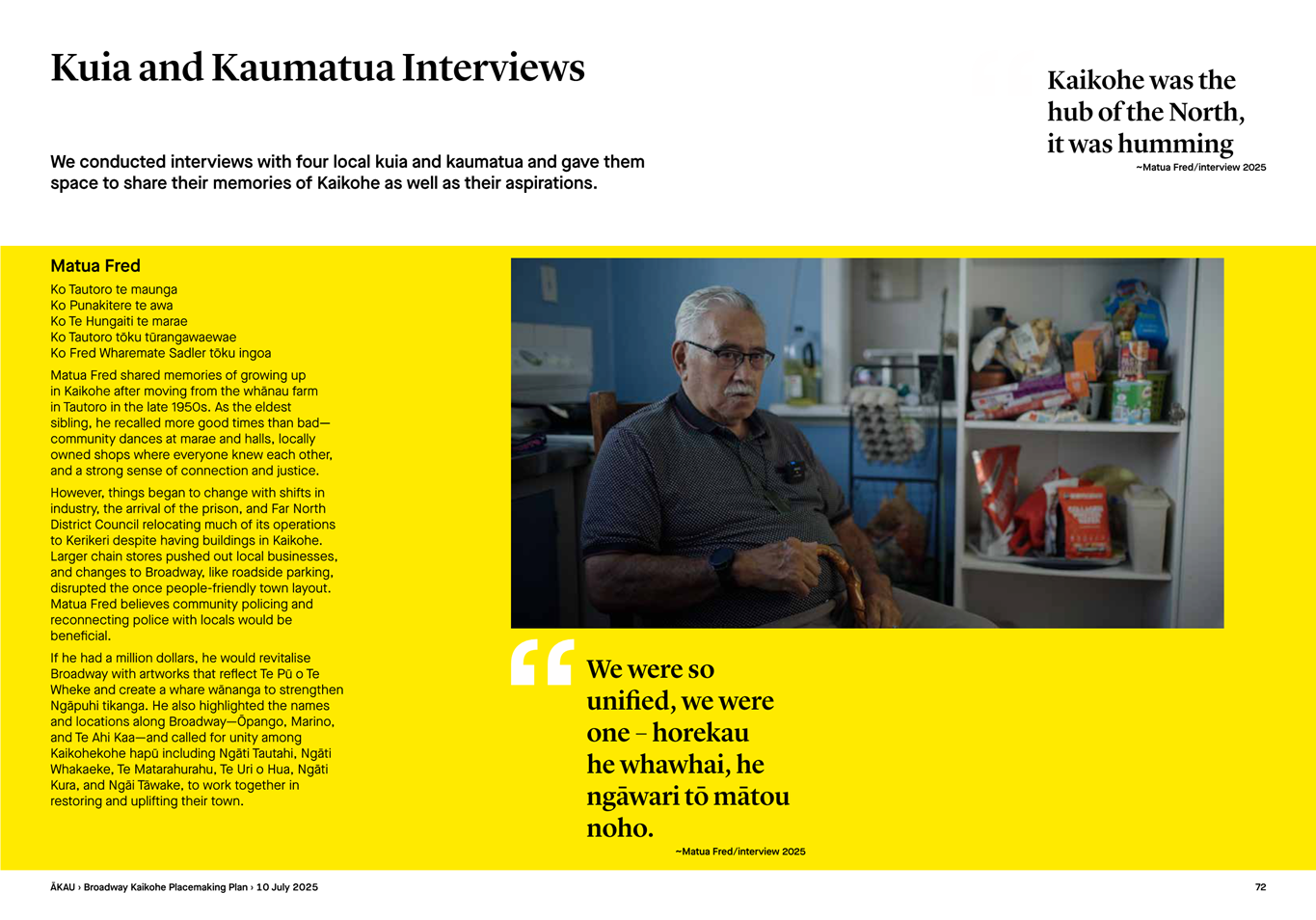
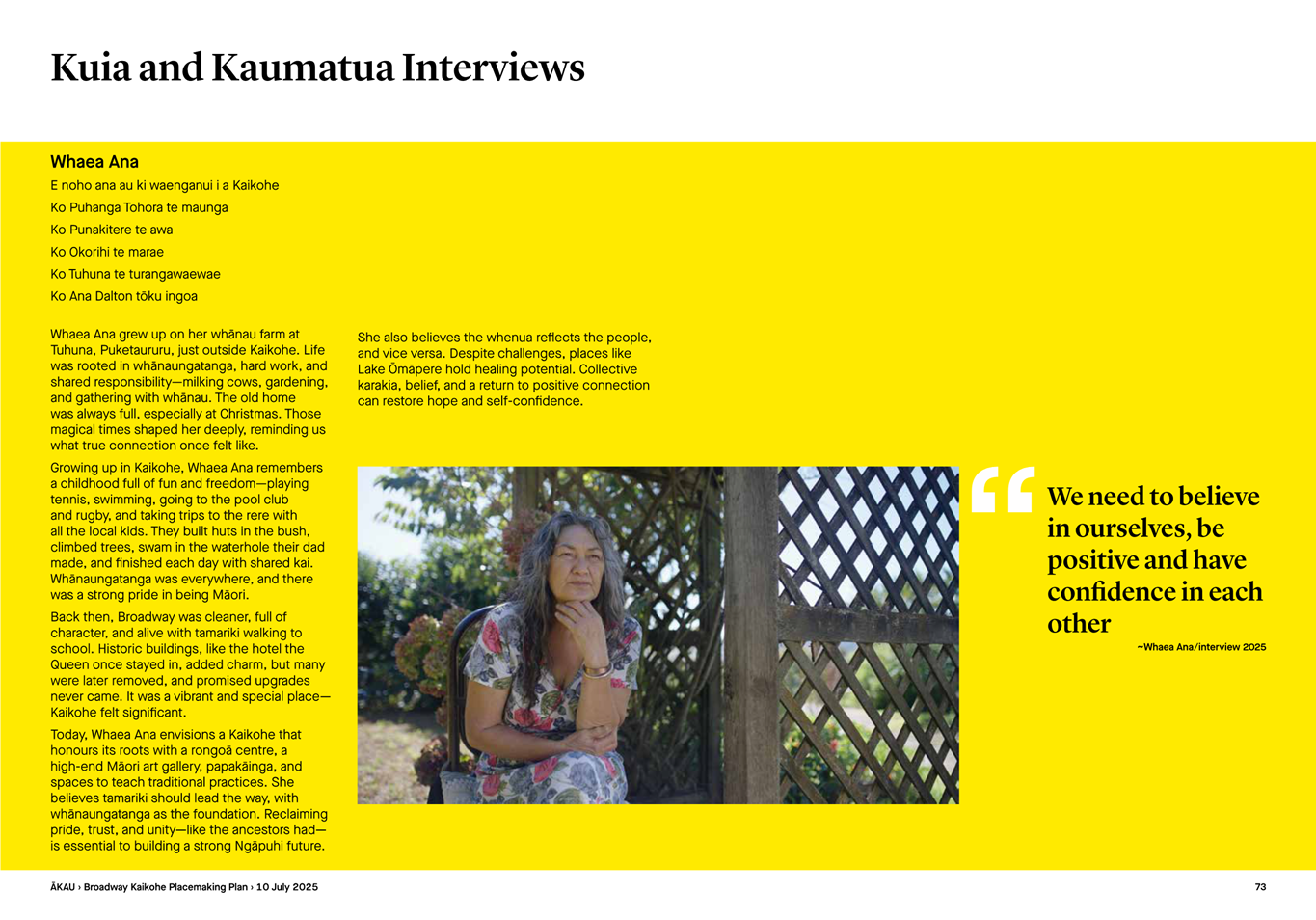
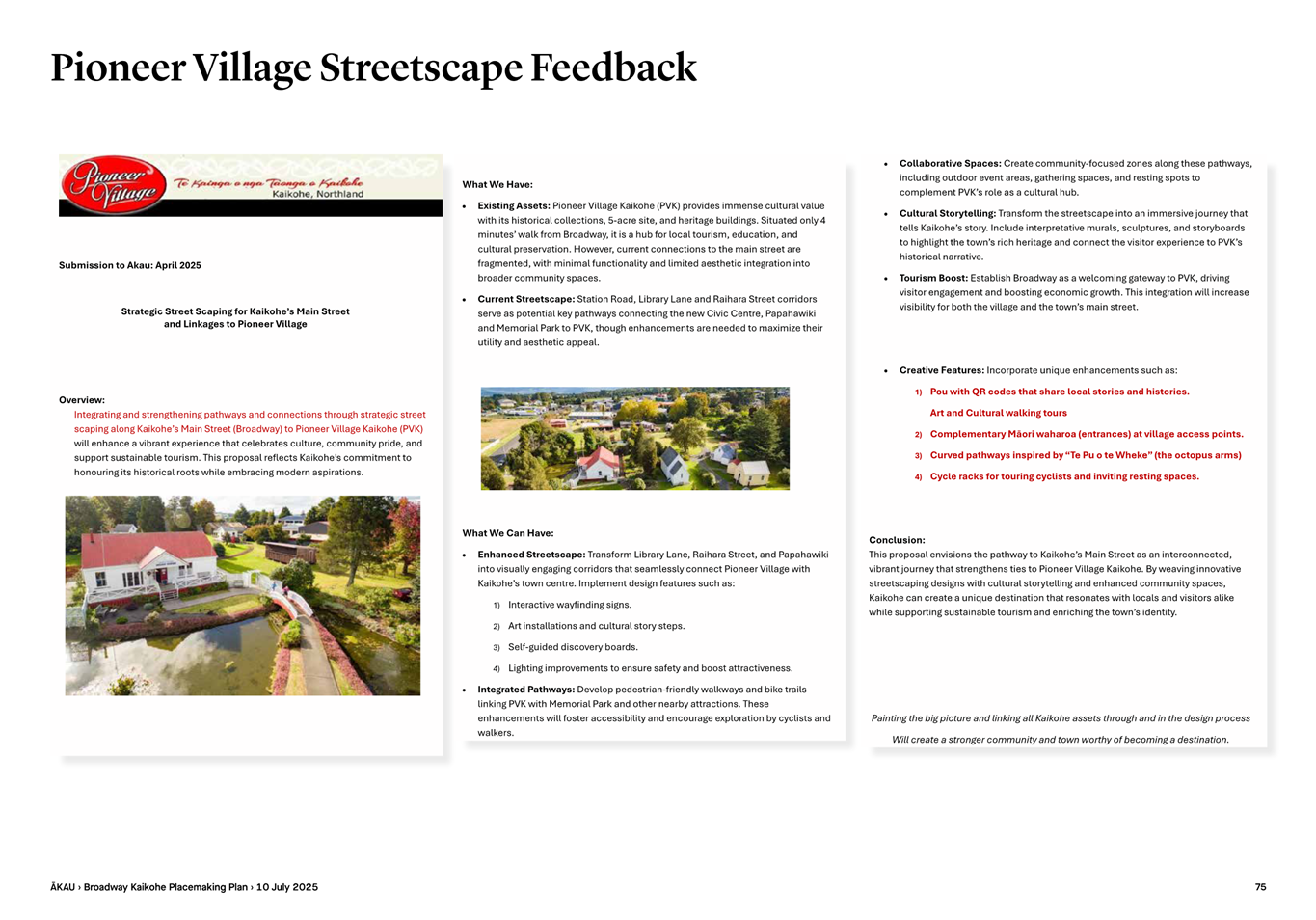
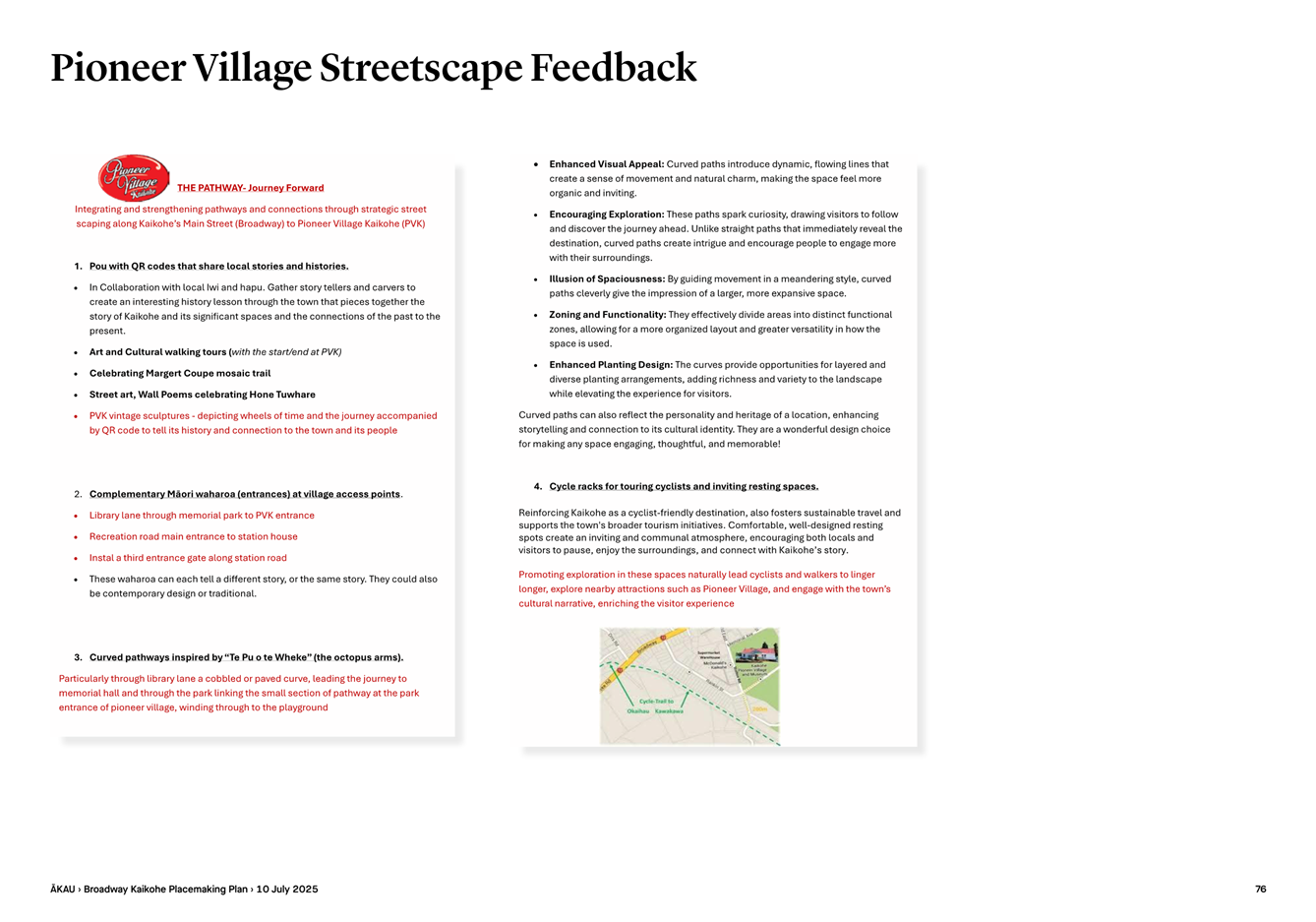
Supplementary Reports - distributed under separate cove5.5
Kerikeri Urban Design Framework and Design Guide Project
6 Ngā
Pūrongo Taipitopito / Information Reports
6.1 Proposed
Far North District Plan Status Update
File
Number: A5654303
Author: James
Witham, (Acting) Manager - Integrated Planning
Authoriser: Tammy
Wooster, Group Manager Planning and Policy
TAKE PŪRONGO / Purpose of the Report
To
inform Te Kūkupa Committee for Strategy, Policy and Regulation (Te
Kūkupa) on progress of the Proposed Far North District Plan (PDP),
including recent progress and programme moving forward to decisions on
submissions.
WHAKARĀPOPOTO
MATUA / EXECUTIVE SUMMARY
This
report seeks to update elected members on the progress of the PDP through the
statutory process including:
· A high level
summary of the process to date;
· An update on the
completion of the hearings process;
· Work currently
underway in support of the Hearings Panel (the Panel) reporting on
recommendations on submissions;
· The preparation
for workshops for elected members and decisions under schedule 1 cl10 of
the RMA;
· Plans for the roll
out of decisions to internal and external stakeholders including Iwi, hapū
and marae.
|
TŪTOHUNGA
/ Recommendation
That Te Kūkupa Committee for Strategy, Policy and
Regulation receive the report Proposed Far North District Plan Status Update.
|
tĀHUHU KŌRERO / Background
Much of the content of
the operative district plan (ODP) is now approaching 20 years old and does not
reflect all current planning standards in terms of content or style. In
addition, its provisions do not reflect the direction of the current Northland
Regional Policy Statement (RPS) or much of the national policy direction
currently in force. Both of these planning documents are required to be
’given effect’ to by the Resource Management Act (RMA). The RMA
also requires that territorial authorities, like FNDC, must
‘commence’ a review for any provision that has been operative for
over 10 years.
PDP was notified for
public submissions on the 27th of July 2022. The notification
attracted 605 primary submissions (8725 individual points) and 589 Further
submissions (26,088 points). Therefore, over 34,000 submission points were
received.
Council appointed a
hearings panel with a total of 9 panel members including an independent chair
and deputy, with 5 specialist commissions and 4 elected members having
previously met the qualification requirements. A specific panel was composed
for each separate hearing stream
The first of 20 hearings
began on the 27th of May 2024, and a total of 43 hearings days were
held across the district in a mix of council, private and marae venues. Over
550 pieces of pre-circulated evidence from submitters, approximately 250 from
submitters during hearings with approximately 300 individual submitters
appearing in person or remotely. The last hearing was on the 6th of
November 2025 at the Waitangi Treaty Grounds.
The panel closed the
public hearings with compliments to all the participants, but particularly for
Council’s hearing administration staff and also efforts of staff to
generally ensure that the PDP would be an improved document by responding to
the evidence of submitters and adopting informed and improved positions. This
feedback was also echoed throughout the hearings by other highly experienced
and respected practitioners who work across New Zealand. We are now awaiting
the completion of the Panel’s final recommendation reports and proposed
amended chapters.
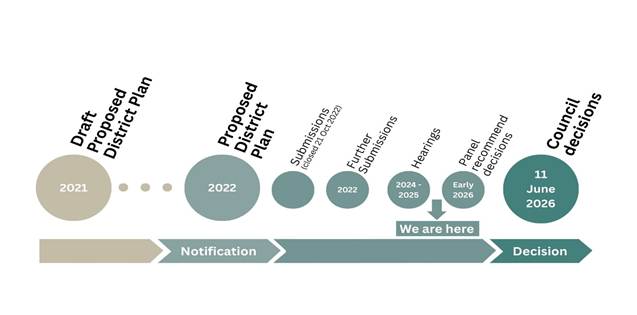 ATAPAKI ME NGĀ KŌWHIRINGA / Discussion and
Next Steps
ATAPAKI ME NGĀ KŌWHIRINGA / Discussion and
Next Steps
Following the completion
of hearings, the Panel have been undertaking site visits, deliberations and
writing recommendation reports. Staff have been providing clean documentation
of the provisions of the PDP incorporating all minor corrections, also known as
cl16 (of the first schedule of the RMA) amendments, and the provisions of
Variation 1 to the panel to ensure accuracy for the panel while they are
compiling amended chapters.
After deliberations were
completed, the panel have worked with staff to ensure its recommendations are
consistent throughout the plan and that there are no fundamental and structural
barriers to implementing their recommendations. For example, ensuring consistency
in terminology, definitions and chapter format. This process is not evidential,
nor does it change the draft recommendations of the Panel.
Staff have also begun to
prepare for the next two phases of the process being:
1. Assisting Council in making decisions on
submissions (cl10 First Schedule RMA) and;
2. The ‘roll out’ of the
‘decisions version’ of the PDP with both internal and external
stakeholders
To help with
Council’s decision making function, two workshops have been booked in May
in order to communicate the recommendations of the Panel to elected members and
to outline the decision making process. A Partner with Simpson Grierson, has
been invited and will be in attendance at the first workshop to assist with
questions that may arise about that function. An extraordinary Council meeting
has been set aside on the 11th of June for Council to formally make
its decisions on submissions to the PDP.
For the roll out of
decisions, the District Plan team is developing a communications plan to ensure
that the framework of the decisions version of the PDP is communicated to
stakeholders well. There is a focus on both internal and external stakeholders.
For internal stakeholders, staff are already working with the regulatory arm of
Council, so that they understand how new provisions are to be treated once
decisions are made. This includes guidance on the application of rules for both
the ODP and decisions version of the district plan for resource consents, in
addition to guidance for processing of building consents. Workshops will be
held with the consents department, compliance teams, LIMs, and also the
infrastructure consenting teams. External communications will be directed
towards local practitioners and also Iwi authorities, hapū and marae, with
an initial focus on those who were active in the submissions and hearings
process.
The District Plan team
will also develop fact sheets for key chapters or key groups of chapters to
identify key changes and communicate them concisely to the public at large.
These will be developed for the PDP web page and be able to put into printable versions
for libraries and when undertaking engagement for the roll out of the PDP.
The agenda item that will
be written for the 11 June 2026 Extraordinary Council meeting will outline next
steps of the plan making process post Council decisions.
PĀNGA PŪTEA ME NGĀ WĀHANGA
TAHUA / Financial Implications and Budgetary Provision
This paper has no
financial implications.
Āpitihanga
/ Attachments
Nil