Te
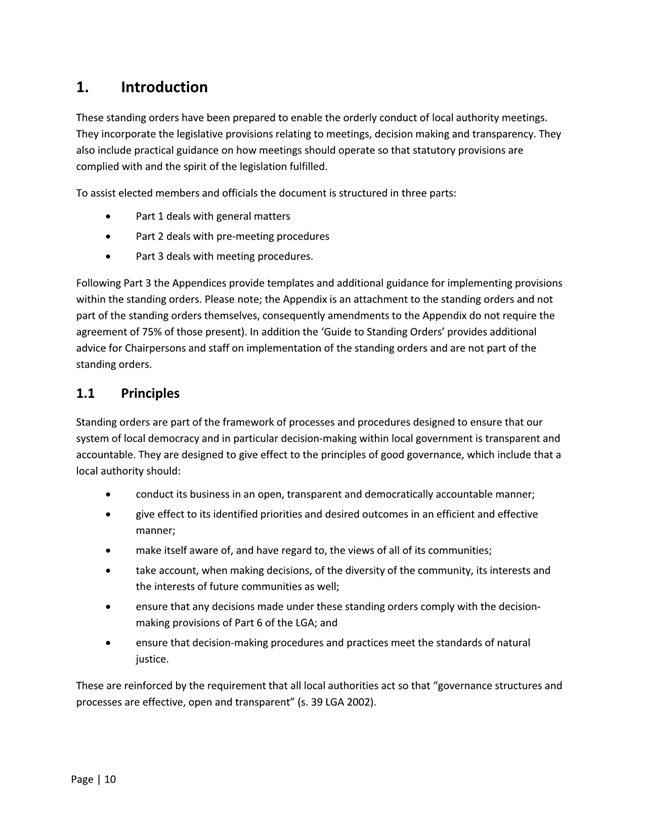
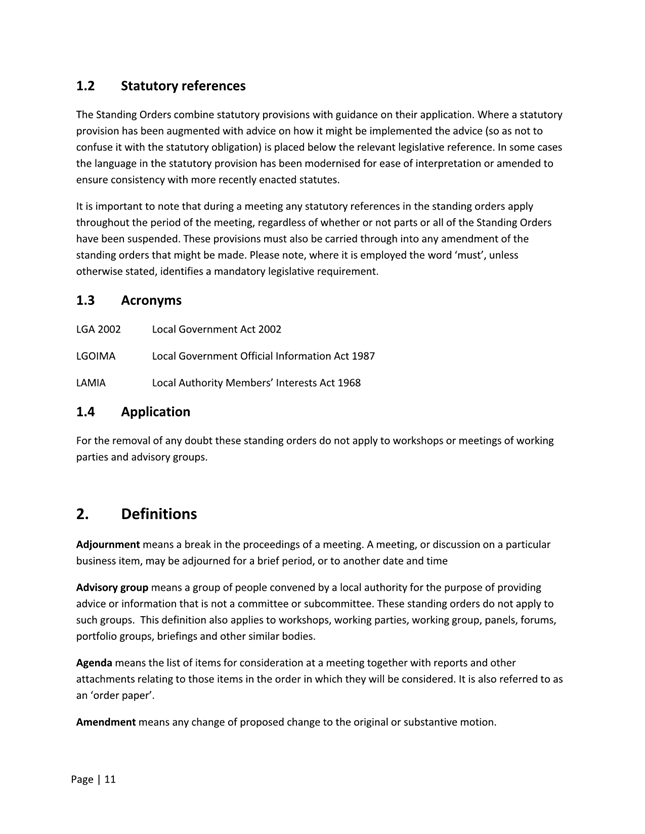
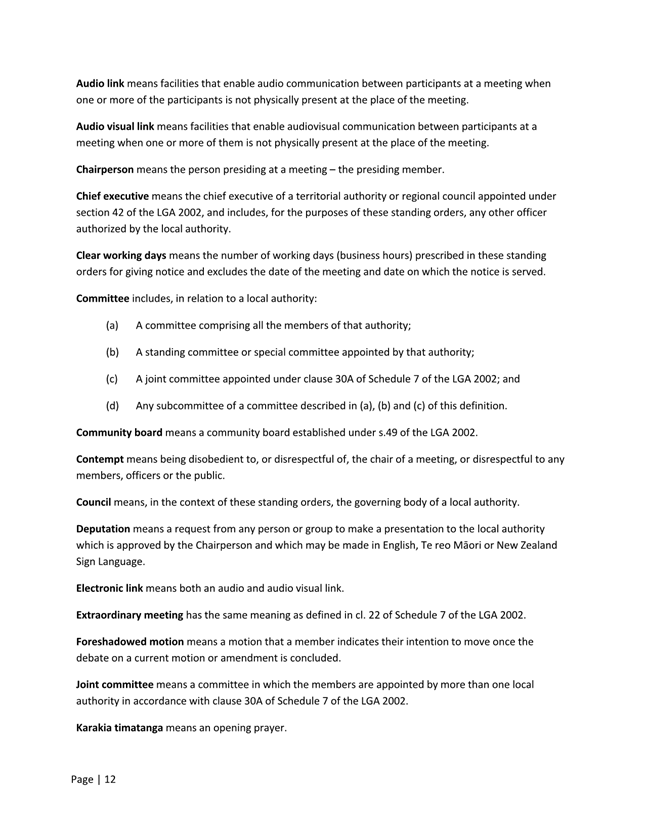
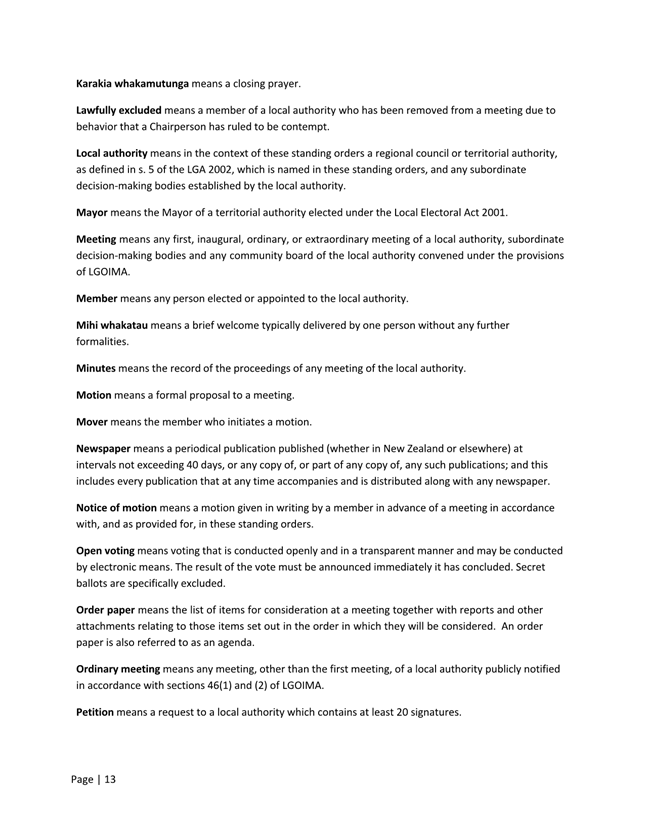
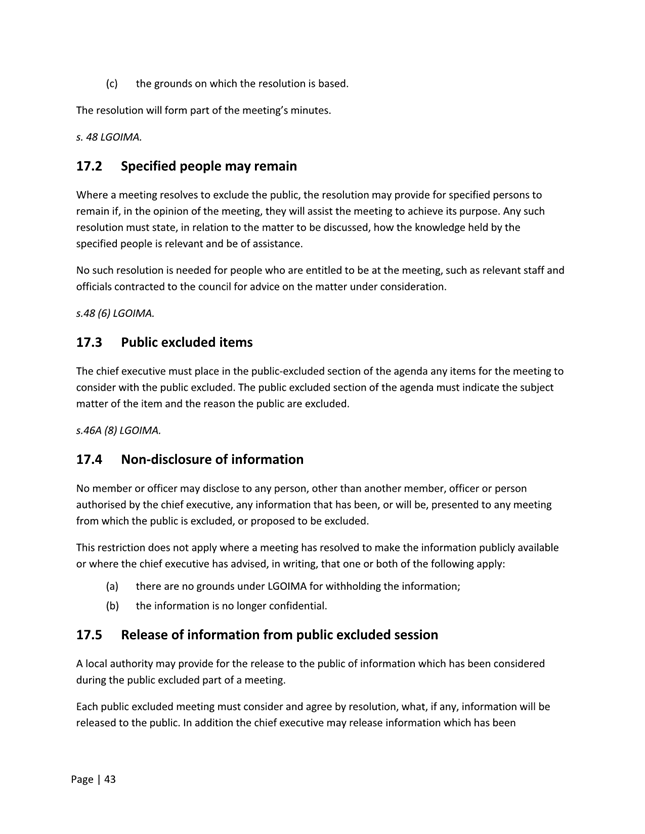
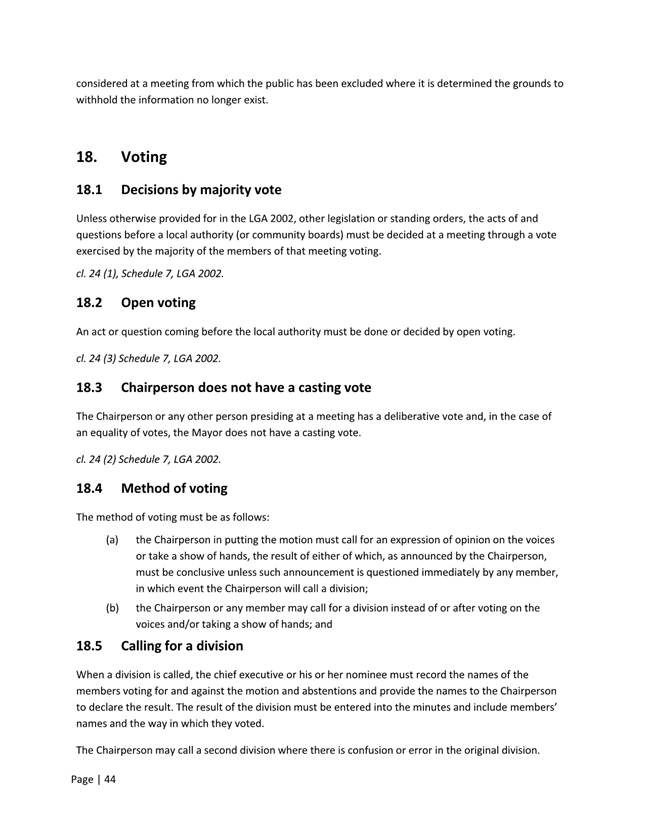
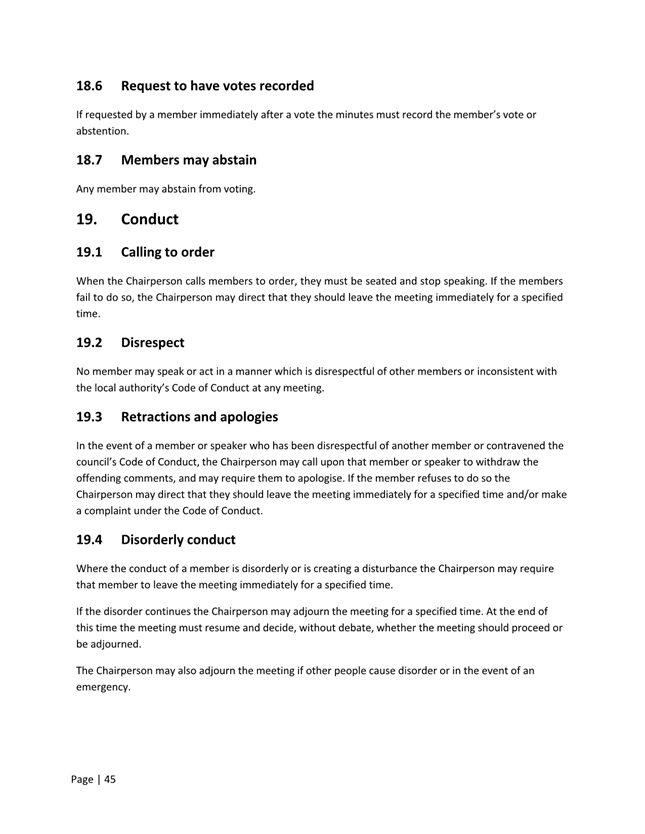
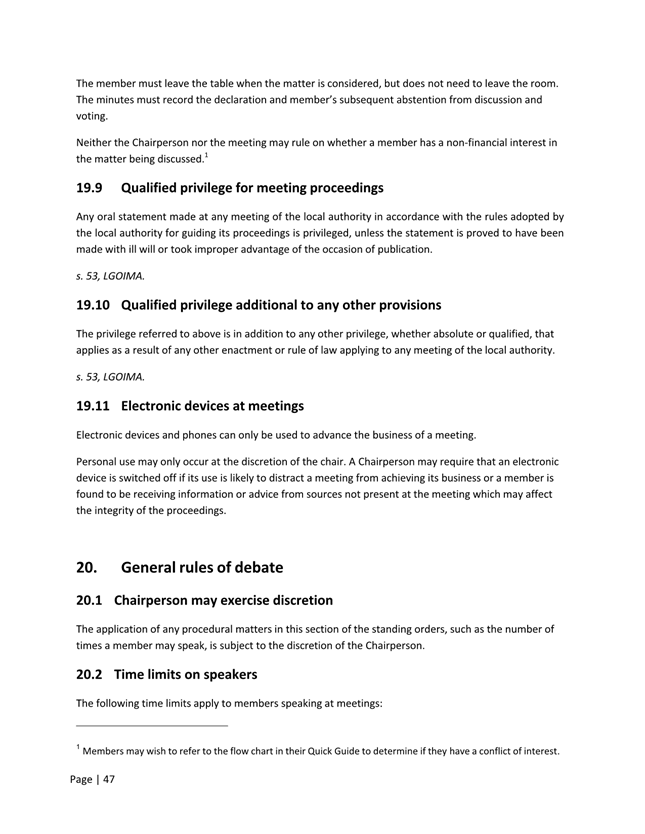
Kaunihera o Te Hiiku o te Ika
AGENDA

Te Hiku Community Board Meeting
Friday 31 October 2025
|
Time:
|
3.00 PM
|
|
Location:
|
Conference Room - Te Ahu
Cnr State Highway 1 and Mathews Avenue
Kaitāia
|
Membership:
MemberAdele Gardner
Member Mike Te Wake
Member Eddie Bellas
Member Trevor Beatson
Member Krystal-Rose Taaffe
Member William (Bill) Subritzky
The Local Government Act 2002 states the role of a
Community Board is to:
A.
Represent, and act as an advocate for,
the interests of its community.
B.
Consider and report on all matters
referred to it by the territorial authority, or any matter of interest or
concern to the community board.
C.
Maintain an overview of services
provided by the territorial authority within the community.
D.
Prepare an annual submission to the
territorial authority for expenditure within the community.
E.
Communicate with community
organisations and special interest groups within the community.
F.
Undertake any other responsibilities
that are delegated to it by the territorial authority
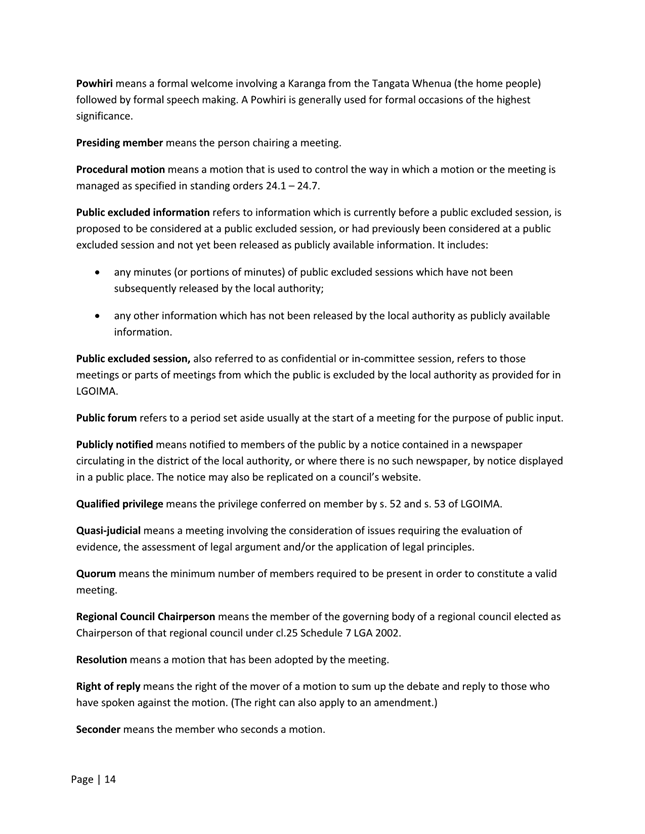
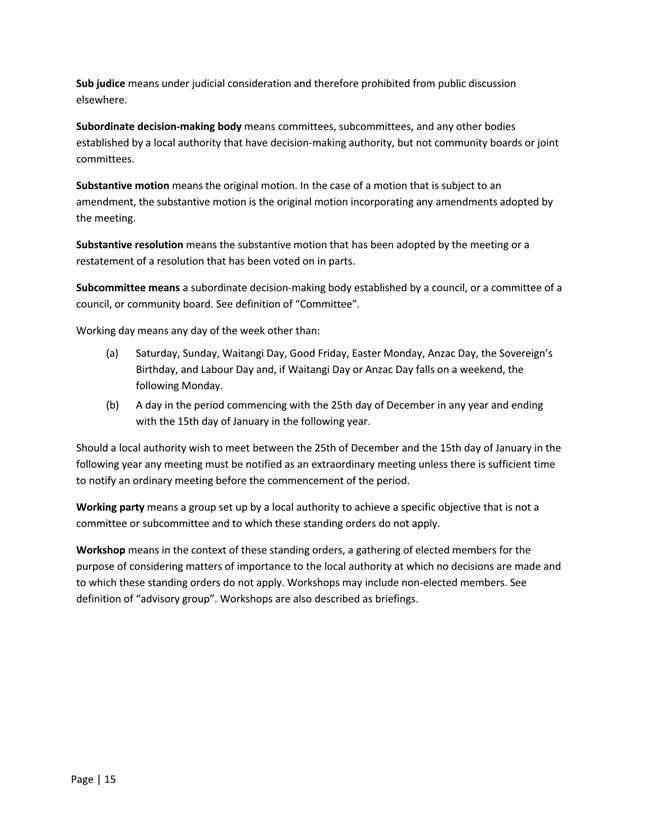
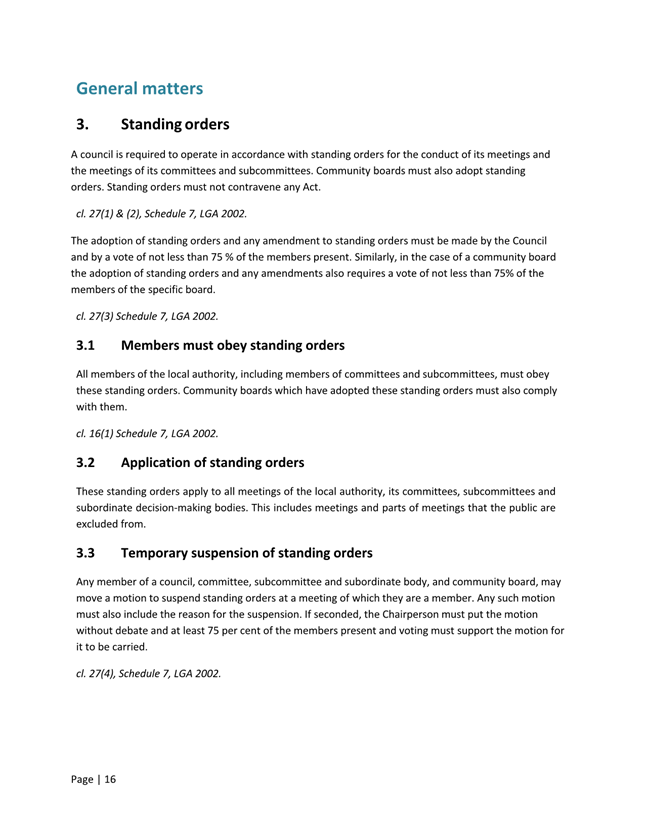
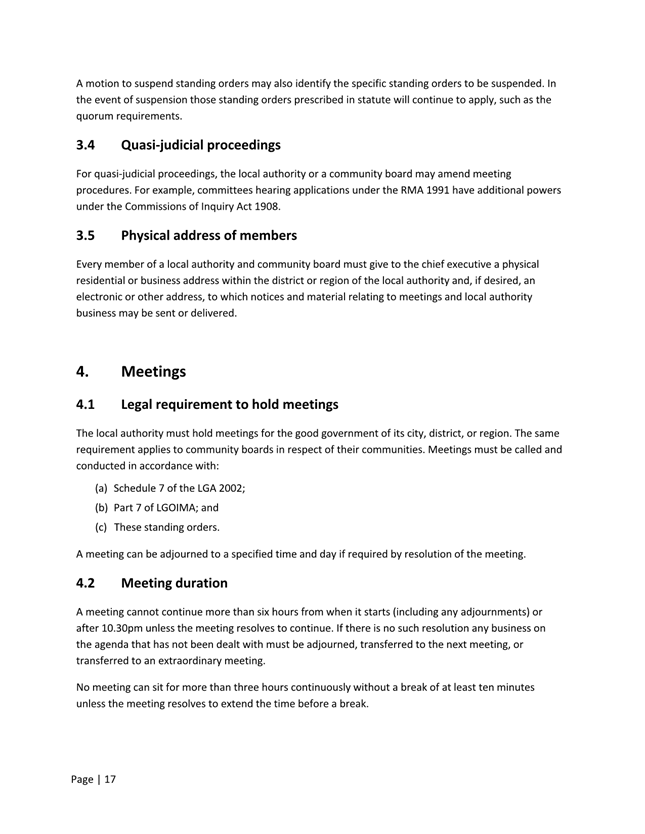
Council Delegations to Community Boards - January 2013
The
"civic amenities" referred to in these delegations include the
following Council activities:
·
Amenity lighting
·
Cemeteries
·
Drainage (does not include reticulated
storm water systems)
·
Footpaths/cycle ways and walkways.
·
Public toilets
·
Reserves
·
Halls
·
Swimming pools
·
Town litter
·
Town beautification and maintenance
·
Street furniture including public
information signage.
·
Street/public Art.
·
Trees on Council land
·
Off road public car parks.
·
Lindvart Park – a
Kaikohe-Hokianga Community Board civic amenity.
Exclusions:
From time to time Council may
consider some activities and assets as having district wide significance and
these will remain the responsibility of Council. These currently include: The
roading network, Hundertwasser toilets, District Library Network, Baysport, the
Kerikeri, Kaikohe & Kaitaia Airports, Hokianga Vehicle Ferry, i-Site
network, Far North Community Centre, Kerikeri Domain, Kawakawa Heated Swimming
Pool, Kaikohe Cemetery, Kerikeri Sports Complex, The Centre at Kerikeri, the
Bay of Islands/Hokianga Cycle Trail.
Set
local priorities for minor capital works in accordance with existing
strategies,
1.
Recommend local service levels and
asset development priorities for civic amenities as part of the Annual Plan and
Long Term Plan processes.
2.
Reallocate capital budgets within the
Annual Plan of up to 5% for any specific civic amenity, provided that the
overall activity budgetary targets are met.
3.
Make grants from the allocated
Community Funds in accordance with policy 3209, and the SPARC/Sport Northland
Rural Travel fund in accordance with the criteria set by the respective body,
and, for the Bay of Islands-Whangaroa Community Board, the power to allocate
the Hundertwasser Donations Account.
4.
Provide comment to council staff on
resource consent applications having significance within the Community,
including the provision of land for reserves or other public purposes.
5.
To hold, or participate in hearings, as
the Council considers appropriate, in relation to submissions pertinent to
their community made to plans and strategies including the Long Term Plan and
Annual Plan, and if appropriate recommend decisions to the Council.
6.
To hold hearings of submissions
received as a result of Special Consultative Procedures carried out in respect
of any matter other than an Annual or Long Term Plan, and make recommendations
to the Council.
7.
Where recommended by staff to appoint
management committees for local reserves, cemeteries, halls, and community
centers.
8.
To allocate names for previously
unnamed local roads, reserves and other community facilities, and recommend to
Council name changes of previously named roads, reserves, and community
facilities subject to consultation with the community.
9.
To consider the provisions of new and
reviewed reserve management plans for recommendation to the Council in
accordance with the Reserves Act 1977, and hear or participate in the hearing
of submissions thereto, as considered appropriate by the Council.
10.
To provide recommendations to the
Council in respect of applications for the use and/or lease of reserves not
contemplated by an existing reserve management plan.
11.
Prohibit the use of skateboards in
specified locations within their communities, in accordance with
Council’s Skating Bylaw 1998.
12.
Recommend new bylaws or amendments to
existing bylaws.
13.
Prepare and review management plans for
local cemeteries within budget parameters and in a manner consistent with
Council Policy.
14.
Exercise the following powers in
respect of the Council bylaws within their community:
a)
Control of Use of Public Spaces –
Dispensations on signs
b)
Mobile Shops and Hawkers –
Recommend places where mobile shops and/or hawkers should not be permitted.
c)
Parking and Traffic Control –
Recommend parking restrictions, and areas where complying camping vehicles may
park, and consider and grant dispensations in accordance with clause 2007.2
d)
Public Places Liquor Control –
Recommend times and places where the possession or drinking of alcohol should
be prohibited.
e)
Speed Limits – Recommend places
and speed limits which should be imposed.
15.
To appoint Community Board members to
speak on behalf of their community in respect of submissions or petitions.
16.
Specific to the Bay of
Islands-Whangaroa Community Board – consider any recommendations of the
Paihia Heritage Working Group and make appropriate recommendations to Council
on the development of a draft Plan Change and a Section 32 analysis on heritage
provisions for Paihia.
17.
Specific to Te Hiku Community Board
– the Kaitaia Drainage Area Committee, Waiharara and Kaikino Drainage
Area Committee and Motutangi Drainage Area Committee.
18.
To set schedule of meeting dates, times
and venues, subject to the meetings not conflicting with meetings of the
Council and satisfying the provisions of the Local Government Official
information and Meetings Act 1987.
19.
To review all proposed public art
projects on a project-by project basis to ensure they comply with policy #5105
Art in Public Places, including approval of the aesthetic appearance,
maintenance programme, insurance and appropriate location, and to agree to
their installation.
20.
In respect of applications from food
establishments for permission to establish tables and chairs on a public place,
i.e. Alfresco dining in accordance with Policy 3116, to consider and decide on
any application which does not meet all criteria of the policy, and any
application which staff recommend to be declined.
21.
Subject to a report from the
appropriate managers and the appropriate budgetary provision, to make decisions
in respect of civic amenities including the levels of service, and the
provision or removal of an amenity not provided for elsewhere in these delegations.
Terms of Reference
In
fulfilling its role and giving effect to its delegations, Community Boards are
expected to:
1.
Comment on adverse performance to the
Chief Executive in respect of service delivery.
2.
Assist their communities in the
development of structure plans, emergency management community response plans,
and community development plans.
3.
Assist their communities to set
priorities for Pride of Place programmes.
4.
Have special regard for the views of Māori.
5.
Have special regard for the views of
special interest groups, e.g. disabled, youth, aged, etc.
6.
Actively participate in community
consultation and advocacy and keep Council informed on local issues.
7.
Seek and report to Council community
feedback on current issues by:
a)
Holding a Community forum prior to
Board meetings
b)
Varying the venues of Board meetings to
enable access by members of the community
8.
Monitor and make recommendations to
Council to improve effectiveness of policy.
9.
Appoint a member to receive Annual
Plan\Long Term Council Community Plan submissions pertinent to the Board area,
attend hearings within the Board area, and attend Council deliberations prior
to the Plan adoption.
Protocols
In
supporting Community Boards to fulfil their role, the Council will:
1.
Provide appropriate management support
for the Boards.
2.
Organise and host regular workshops
with the Community Boards l to assess the 'State of the Wards & District'
to establish spending priorities.
3.
Prior to decision-making, seek and
include 'Community Board views' in Council reports in relation to:
a)
the disposal and purchase of land
b)
proposals to acquire or dispose of
reserves
c)
representation reviews
d)
development of new maritime facilities
e)
community development plans and
structure plans
f)
removal and protection of trees
g)
local economic development initiatives
h)
changes to the Resource Management Plan
4.
Organise and host quarterly meetings
between Boards, the CEO and senior management staff.
5.
Prepare an induction/familiarisation
process targeting new members in particular early in the term.
6.
Support Board members to arrange
meetings with local agencies and service clubs to place more emphasis on
partnerships and raising profile of the Boards as community leaders.
7.
Permit Board chairperson (or nominated
member) speaking rights at Council meetings.
8.
Help Boards to implement local
community projects.
9.
Arrange for Infrastructure and Asset
Management Staff to meet with the Community Boards in September each year to
agree the capital works for the forthcoming year for input into the Annual or
Long Term Plan.
10.
Provide information.
Far North District Council
Te Hiku Community Board Meeting
will be held in the Conference Room - Te Ahu, Cnr
State Highway 1 and Mathews Avenue, Kaitaia on:
Friday 31 October 2025 at 3:00
PM
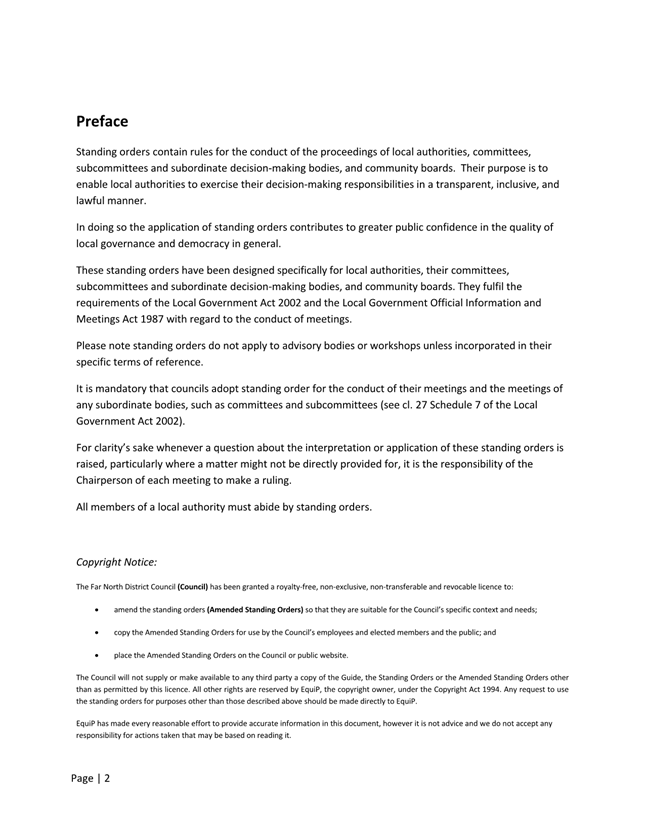
Te Paeroa Mahi / Order
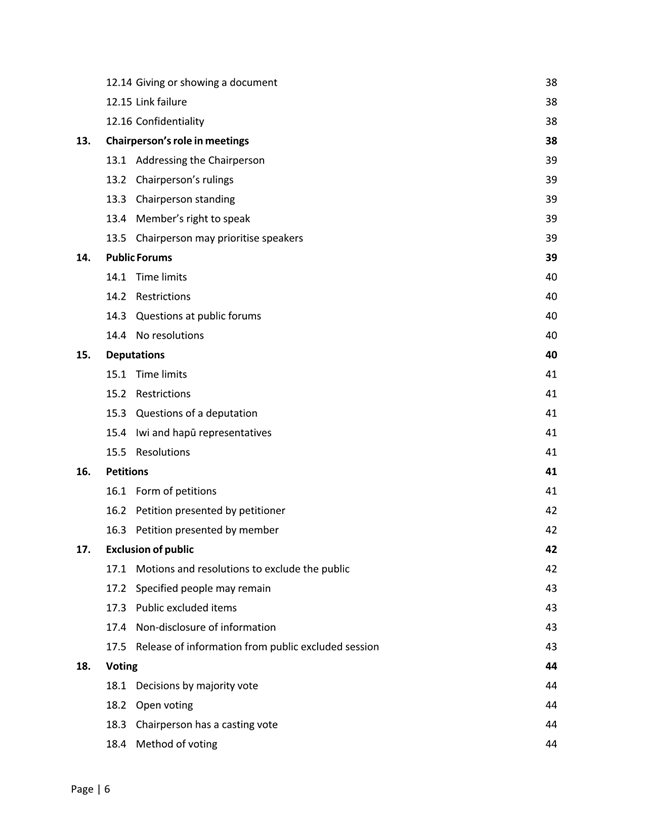
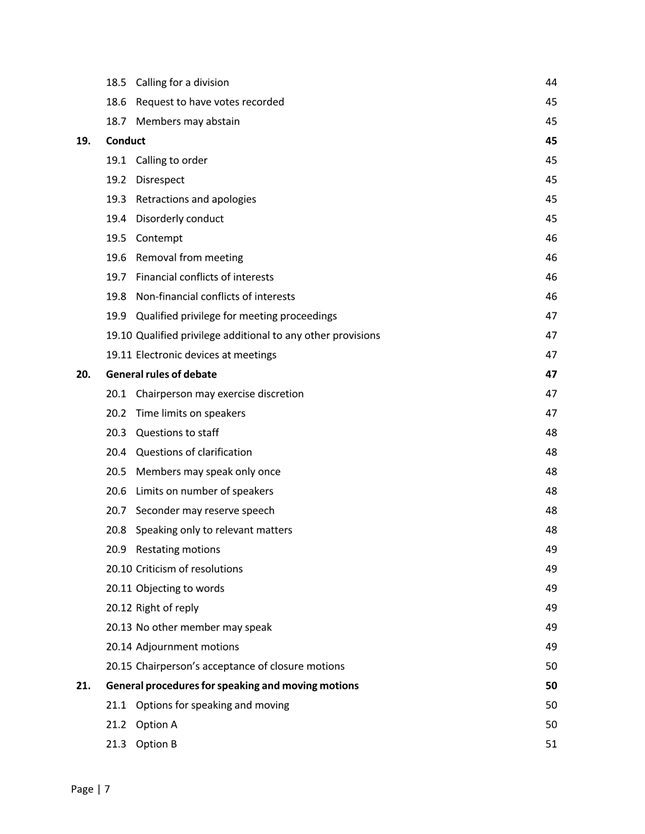
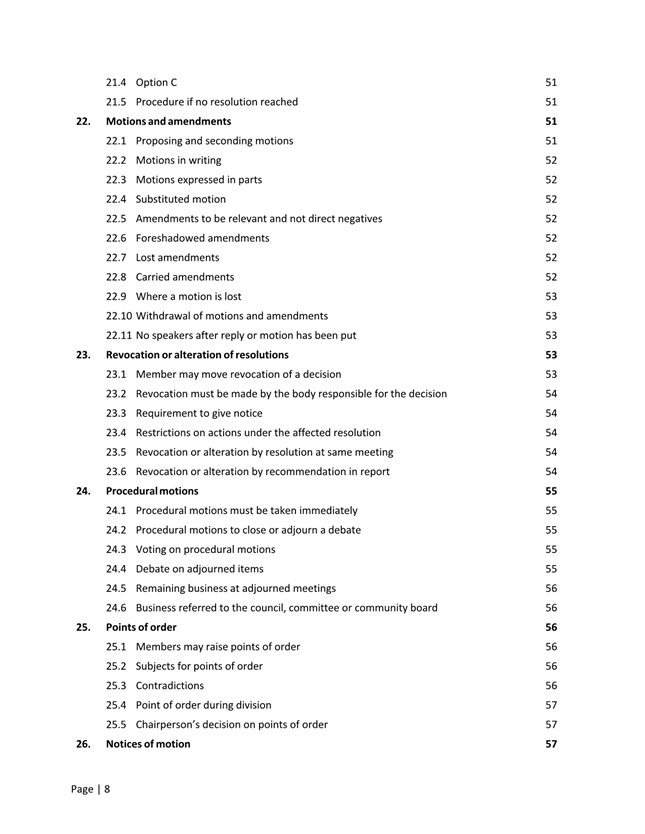
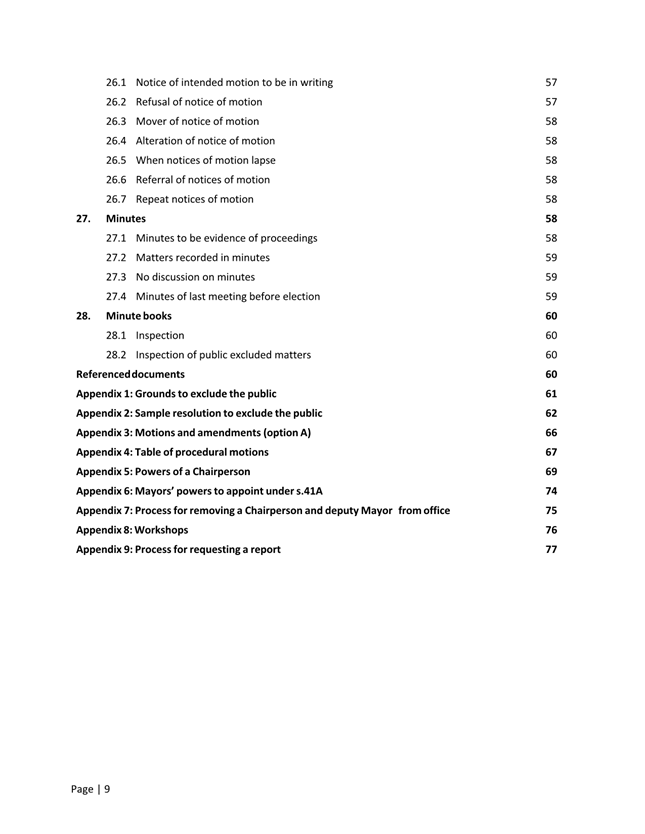
of Business
1 Karakia
Tīmatanga / Opening Prayer. 7
2 Ngā
Whakapāha Me Ngā Pānga Mema / Apologies and Conflicts of
Interest 7
3 Te
Wāhanga Tūmatanui / Public Forum.. 7
4 Ngā
Tono Kōrero / Deputation. 7
5 Ngā
Kaikōrero / Speakers. 7
6 Ngā
Pūrongo / Reports. 8
6.1 Making
and Attesting of Declarations. 8
6.2 Election
of Chairperson. 11
6.3 Election
of Deputy Chairperson. 14
6.4 Explanation
of Laws Affecting Elected Members. 17
6.5 Noting
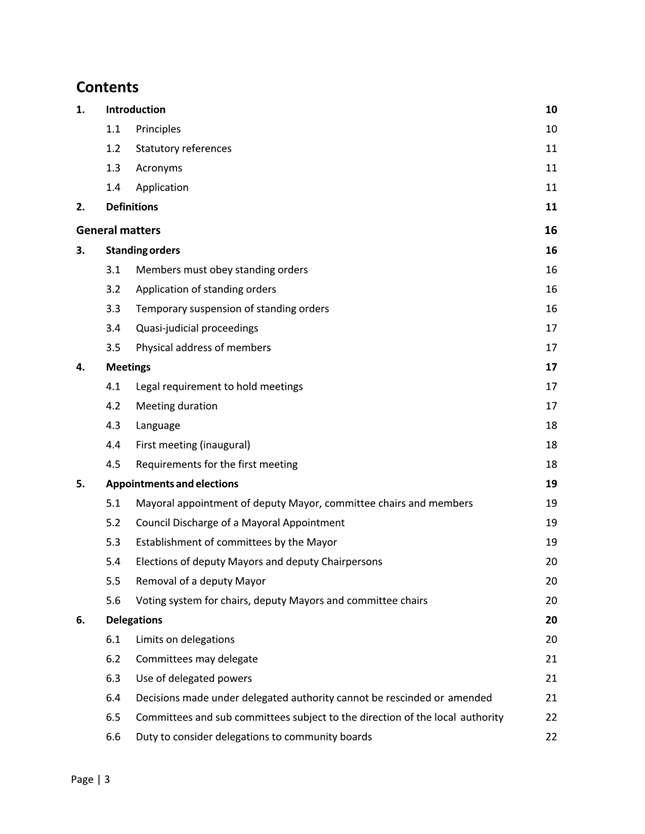
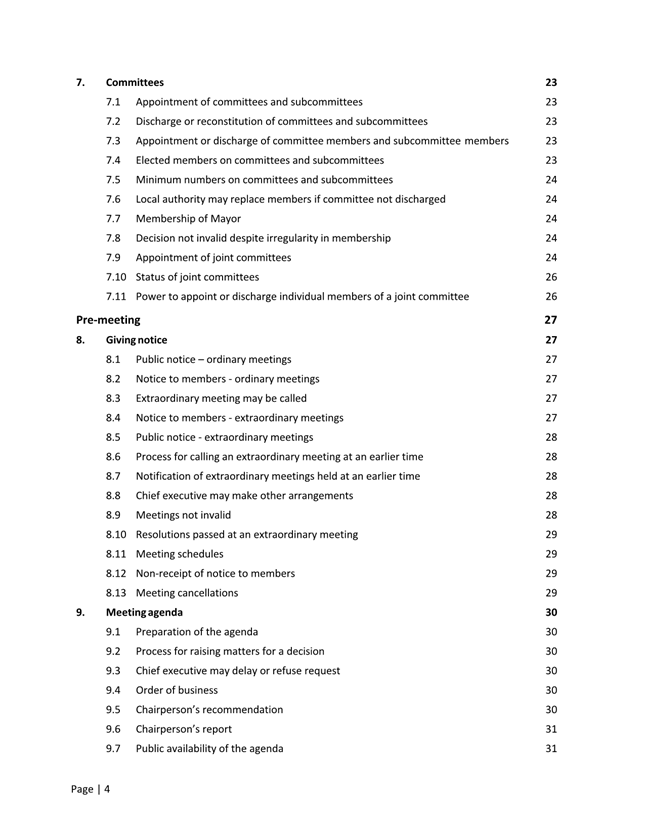
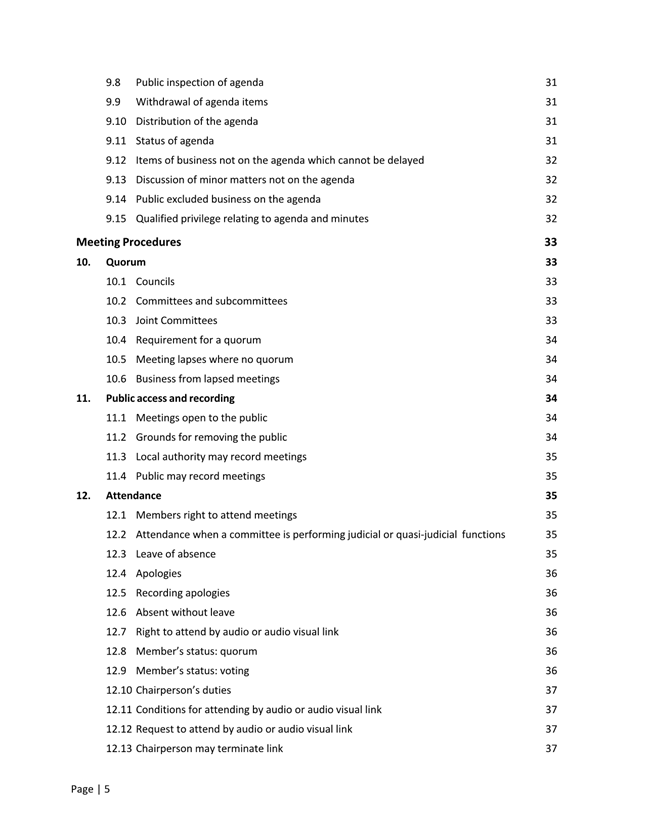
of Te Hiku Community Board Standing Orders. 25
6.6 Te
Hiku Community Board First Meeting. 105
6.7 Te
Hiku Community Board Schedule of Meetings for 2025. 107
7 Karakia
Whakamutunga / Closing Prayer. 109
8 Te
Kapinga Hui / Meeting Close. 109
1 Karakia
Tīmatanga / Opening Prayer
2 Ngā Whakapāha Me Ngā Pānga Mema / Apologies
and Conflicts of Interest
Members need to
stand aside from decision-making when a conflict arises between their role as a
Member of the Community Board and any private or other external interest they
might have. This note is provided as a reminder to Members to review the
matters on the agenda and assess and identify where they may have a pecuniary
or other conflict of interest, or where there may be a perception of a conflict
of interest.
If a Member
feels they do have a conflict of interest, they should publicly declare that at
the start of the meeting or of the relevant item of business and refrain from
participating in the discussion or voting on that item. If a Member thinks they
may have a conflict of interest, they can seek advice from the Chief Executive
Officer or the Manager - Democracy Services (preferably before the meeting).
It is noted
that while members can seek advice the final decision as to whether a conflict
exists rests with the member.
Elected
Member - Register of Interests
3 Te
Wāhanga Tūmatanui / Public Forum
4 Ngā Tono Kōrero / Deputation
No requests for deputations were received at the time of the
Agenda going to print.
5 Ngā
Kaikōrero / Speakers
6 Ngā
Pūrongo / Reports
6.1 Making
and Attesting of Declarations
File
Number: A5430859
Author: Natasha
Rmandic, Democracy Advisor
Authoriser: Aisha
Huriwai, Manager - Democracy Services
Take Pūrongo / Purpose of the Report
To set out the process for
making and attesting of declarations.
TŪTOHUNGA
/ Recommendation
There is no recommendation or
decision required for this report. The minutes will record that the
declarations of elected members were made and witnessed.
1) TĀhuhu kŌrero / Background
Clause 14(1) &
(2) Schedule 7 of the Local Government Act 2002 (The Act) states that no person
shall be capable of acting as a member of any local authority until he or she
has made an oral and written declaration as set out in Clause 14 (3) Schedule 7
of The Act, as set out below. Section 54 (2) of the Act states that these parts
of Schedule 7 apply to Community Boards.
2) matapaki me NgĀ KŌwhiringa /
Discussion and Options
The Chief
Executive Officer’s appointed officer will witness the declaration of the
Te Hiku Community Board Members.
The declaration that each member is required
to take is set out in Clause 14(3) Schedule 7 of the Act and reads:
DECLARATION BY MEMBER (English Version)
I,
________________________________, declare that I will faithfully and
impartially, and according to the best of my skill and judgement, execute and
perform, in the best interests of the Far North District, the powers,
authorities, and duties vested in or imposed upon me as Member of the Te Hiku
Community Board by virtue of the Local Government Act 2002, the Local
Government Official Information and Meetings Act 1987, or any other Act.
Dated at: Te
Ahu – Kaitāia, this 31st day of October
2025.
OR
DECLARATION BY MEMBER (Te Reo Māori Version)
Ko au ko,
________________________________, ka ōati ai ki runga i te pono me te tika
ka mutu ki te taumata o tōku atamai me āku whakataunga. Ka mahi ai
mō te painga o Te Hiku o te Ika, haere tonu ki ngā ihi me ngā
herenga mahi, ka pā ki roto, ka uruhi ki runga i ahau hei mema o Te Poari
o Te Hapori o Te Hiku, e ai ki te Ture Kāwanatanga ā-Rohe 2002. Te
Ture Kāwanatanga ā-Rohe mō ngā Kōrero Whakamōhio
me ngā Huihuinga Kōrero 1987, me tāpiri atu ki ērā atu
o ngā Ture raini.
He mea
whakaū tēnei ki: Te Ahu – Kaitāia, i tēnei
rā 31 o Whiringa-ā-nuku, 2025.
3) PĀnga PŪtea me ngĀ
wĀhanga tahua / Financial Implications and Budgetary Provision
There are no financial
implications or the need for budgetary provision as a result of this report.
Āpitihanga / Attachments
Nil
Hōtaka Take Ōkawa / Compliance Schedule:
Full consideration has been given to the provisions of the
Local Government Act 2002 S77 in relation to decision making, in particular:
1. A
Local authority must, in the course of the decision-making process,
a) Seek
to identify all reasonably practicable options for the achievement of the
objective of a decision; and
b) Assess
the options in terms of their advantages and disadvantages; and
c) If
any of the options identified under paragraph (a) involves a significant
decision in relation to land or a body of water, take into account the
relationship of Māori and their culture and traditions with their
ancestral land, water sites, waahi tapu, valued flora and fauna and other
taonga.
2. This
section is subject to Section 79 - Compliance with procedures in relation to
decisions.
|
He Take Ōkawa /
Compliance Requirement
|
Aromatawai Kaimahi /
Staff Assessment
|
|
State the level of significance (high or low) of the
issue or proposal as determined by the Council’s
Significance and Engagement Policy
|
Not applicable.
|
|
State the relevant Council policies (external or
internal), legislation, and/or community outcomes (as stated in the LTP) that
relate to this decision.
|
Not applicable.
|
|
State whether this issue or proposal has a District wide
relevance and, if not, the ways in which the appropriate Community
Board’s views have been sought.
|
This is a Community Board report.
|
|
State the
possible implications for Māori and how Māori have been provided
with an opportunity to contribute to decision making if this decision is
significant and relates to land and/or any body of water.
State the
possible implications and how this report aligns with Te Tiriti o Waitangi /
The Treaty of Waitangi.
|
Not applicable.
|
|
Identify persons likely to be affected by or have an
interest in the matter, and how you have given consideration to their views
or preferences (for example – youth, the aged and those with
disabilities).
|
Not applicable.
|
|
State the financial implications and where budgetary
provisions have been made to support this decision.
|
There are no financial implications or budgetary
provision required as a result of this report.
|
|
Chief Financial Officer review.
|
The Chief Financial Officer has not reviewed this
report.
|
6.2 Election
of Chairperson
File
Number: A5430935
Author: Natasha
Rmandic, Democracy Advisor
Authoriser: Aisha
Huriwai, Manager - Democracy Services
Take Pūrongo / Purpose of the Report
The purpose of the report is to explain the procedure for
the election of the Chairperson of the Board and to elect a Chairperson.
|
tŪtohunga
/ Recommendation
A)
That the Te Hiku Community Board:
· use System B
as the preferred voting system to elect a Chairperson.
· elect
_______________ as Chairperson for the triennium October 2025 to October
2028, in accordance with Standing Orders.
B) That
the elected Chairperson make and attest the statutory declaration as
Chairperson in accordance with clause 14, Schedule 7
of the Local Government Act 2002
|
1) TĀhuhu kŌrero / Background
Section 54 (2) of the Local
Government Act 2002 (LGA02) states that Part 1 of Schedule 7 (excluding clauses
15 and 33 to 36) applies to Community Boards.
Part 2 of Schedule 7 states that a
community board must have a chairperson.
It is therefore necessary to appoint
a Chairperson to the Bay of Islands-Whangaroa Community Board at the first
meeting of the local authority under Clause 21(5)(b) of
Schedule 7.
Until a Chairperson is elected, the
meeting must be chaired by the Chief Executive or their nominee, as provided in
Schedule 7, Clause 21.
Voting procedures are set out in Schedule 7, Clause
25.
The elected Chairperson must make and attest the
statutory declaration as required under Schedule 7, Clause 14.
2) matapaki me NgĀ KŌwhiringa /
Discussion and Options
A Chairperson of a Community Board shall be
elected from among its members at its first meeting following the election of
the Community Board.
When electing a Chairperson the community
board must resolve to use one of the following two voting systems as set out in
Standing Orders 5.2.
System A –
a. requires
that a person is elected or appointed if he or she receives the votes of a
majority of the members of the local authority or committee present and voting;
and
b. has
the following characteristics:
i. there
is a first round of voting for all candidates; and
ii. if
no candidate is successful in that round there is a second round of voting from
which the candidate with the fewest votes in the first round is excluded;
and
iii. if
no candidate is successful in the second round there is a third, and if
necessary subsequent, round of voting from which, each time, the candidate with
the fewest votes in the previous round is excluded; and
iv. in
any round of voting, if 2 or more candidates tie for the lowest number of
votes, the person excluded from the next round is resolved by lot.
System B -
(a) requires that a person is elected
or appointed if he or she receives more votes than any
other candidate; and
(b) has the
following characteristics:
(i) there is only one round of voting; and
(ii) if 2 or more candidates tie for the most votes, the tie is
resolved by lot.
System B is the recommended option. This is the
system used by Council and Committees as per their Standing Orders.
TAKE TŪTOHUNGA
/ REASON FOR THE RECOMMENDATION
Te Hiku Community Board Standing Orders outline System B as
the default voting method, consistent with Council Standing Orders. However,
the Community Board could resolve to use to use System A if preferred. System A
is conducted by ballot during the meeting with the support of staff.
3) PĀnga PŪtea me ngĀ
wĀhanga tahua / Financial Implications and Budgetary Provision
There are no financial implications or need for budgetary
provisions as a result of this report.
Āpitihanga
/ Attachments
Nil
Hōtaka Take Ōkawa / Compliance Schedule:
Full consideration has been given to the provisions of the
Local Government Act 2002 S77 in relation to decision making, in particular:
1. A
Local authority must, in the course of the decision-making process,
a) Seek
to identify all reasonably practicable options for the achievement of the
objective of a decision; and
b) Assess
the options in terms of their advantages and disadvantages; and
c) If
any of the options identified under paragraph (a) involves a significant
decision in relation to land or a body of water, take into account the
relationship of Māori and their culture and traditions with their
ancestral land, water sites, waahi tapu, valued flora and fauna and other
taonga.
2. This
section is subject to Section 79 - Compliance with procedures in relation to
decisions.
|
He Take Ōkawa /
Compliance Requirement
|
Aromatawai Kaimahi /
Staff Assessment
|
|
State the level of significance (high or low) of the
issue or proposal as determined by the Council’s
Significance and Engagement Policy
|
Not applicable.
|
|
State the relevant Council policies (external or
internal), legislation, and/or community outcomes (as stated in the LTP) that
relate to this decision.
|
Not applicable.
|
|
State whether this issue or proposal has a District wide
relevance and, if not, the ways in which the appropriate Community
Board’s views have been sought.
|
This is a Community Board report.
|
|
State the
possible implications for Māori and how Māori have been provided
with an opportunity to contribute to decision making if this decision is
significant and relates to land and/or any body of water.
State the
possible implications and how this report aligns with Te Tiriti o Waitangi /
The Treaty of Waitangi.
|
Not applicable.
|
|
Identify persons likely to be affected by or have an
interest in the matter, and how you have given consideration to their views
or preferences (for example – youth, the aged and those with
disabilities).
|
Not applicable.
|
|
State the financial implications and where budgetary
provisions have been made to support this decision.
|
There are no financial implications or budgetary
provision required as a result of this report.
|
|
Chief Financial Officer review.
|
The Chief Financial Officer has not reviewed this
report.
|
6.3 Election
of Deputy Chairperson
File
Number: A5431021
Author: Natasha
Rmandic, Democracy Advisor
Authoriser: Aisha
Huriwai, Manager - Democracy Services
Take Pūrongo / Purpose of the Report
The purpose of the report is to
explain the procedure for the election of the Deputy Chairperson of the Board
and to elect a Deputy Chairperson.
|
tŪtohunga
/ Recommendation
That Te Hiku Community Board:
a) use
System B as the preferred voting system to elect a Deputy Chairperson.
b) elect
_______________ as Deputy Chairperson for the triennium October 2025 to
October 2028, in accordance with Standing Orders.
|
1) TĀhuhu kŌrero / Background
The Chairperson
of the Board will call for nominations for Deputy Chairperson, who will then be
elected using the preferred voting system.
2) matapaki me NgĀ KŌwhiringa /
Discussion and Options
Schedule 7, 21(5)(e) of the Local
Government Act 2002 provides for the election of a Deputy Chairperson. Section
54 (2), states that Schedule 7 (excluding clauses 15 and 33 to 36) applies to
Community Boards.
A Deputy Chairperson of a Community Board
shall be elected from among its members at its first meeting following the
election of the Community Board.
When electing a Deputy Chairperson the
community board must resolve to use one of the following two voting systems as
set out in Standing Orders 5.2.
System A -
a. requires
that a person is elected or appointed if he or she receives the votes of a
majority of the members of the local authority or committee present and voting;
and
b. has
the following characteristics:
i. there
is a first round of voting for all candidates; and
ii. if
no candidate is successful in that round there is a second round of voting from
which the candidate with the fewest votes in the first round is excluded;
and
iii. if
no candidate is successful in the second round there is a third, and if
necessary subsequent, round of voting from which, each time, the candidate with
the fewest votes in the previous round is excluded; and
iv. in
any round of voting, if 2 or more candidates tie for the lowest number of
votes, the person excluded from the next round is resolved by lot.
System B -
(a) requires that a person is elected
or appointed if he or she receives more votes than any
other candidate; and
(b) has the following characteristics:
(i) there is
only one round of voting; and
(ii) if 2 or
more candidates tie for the most votes, the tie is resolved by lot.
System B is the recommended option. This is the
system used by Council and Committees as per their Standing Orders.
TAKE TŪTOHUNGA
/ REASON FOR THE RECOMMENDATION
Te Hiku Provide a succinct overview of why your recommended
option was chosen.
Community Board Standing Orders outline System B as the
default voting method, consistent with Council Standing Orders. However, the
Community Board could resolve to use to use System A if preferred. System A is
conducted by ballot during the meeting with the support of staff.
3) PĀnga PŪtea me ngĀ
wĀhanga tahua / Financial Implications and Budgetary Provision
There are no financial implications or need for budgetary
provisions as a result of this report.
Āpitihanga
/ Attachments
Nil
Hōtaka Take Ōkawa / Compliance Schedule:
Full consideration has been given to the provisions of the
Local Government Act 2002 S77 in relation to decision making, in particular:
1. A
Local authority must, in the course of the decision-making process,
a) Seek
to identify all reasonably practicable options for the achievement of the
objective of a decision; and
b) Assess
the options in terms of their advantages and disadvantages; and
c) If
any of the options identified under paragraph (a) involves a significant
decision in relation to land or a body of water, take into account the
relationship of Māori and their culture and traditions with their
ancestral land, water sites, waahi tapu, valued flora and fauna and other
taonga.
2. This
section is subject to Section 79 - Compliance with procedures in relation to
decisions.
|
He Take Ōkawa /
Compliance Requirement
|
Aromatawai Kaimahi /
Staff Assessment
|
|
State the level of significance (high or low) of the
issue or proposal as determined by the Council’s
Significance and Engagement Policy
|
Not applicable.
|
|
State the relevant Council policies (external or
internal), legislation, and/or community outcomes (as stated in the LTP) that
relate to this decision.
|
Not applicable.
|
|
State whether this issue or proposal has a District wide
relevance and, if not, the ways in which the appropriate Community
Board’s views have been sought.
|
This is a Community Board report.
|
|
State the
possible implications for Māori and how Māori have been provided
with an opportunity to contribute to decision making if this decision is
significant and relates to land and/or any body of water.
State the
possible implications and how this report aligns with Te Tiriti o Waitangi /
The Treaty of Waitangi.
|
Not applicable.
|
|
Identify persons likely to be affected by or have an
interest in the matter, and how you have given consideration to their views
or preferences (for example – youth, the aged and those with
disabilities).
|
Not applicable.
|
|
State the financial implications and where budgetary
provisions have been made to support this decision.
|
There are no financial implications or budgetary
provision required as a result of this report.
|
|
Chief Financial Officer review.
|
The Chief Financial Officer has not reviewed this
report.
|
6.4 Explanation
of Laws Affecting Elected Members
File
Number: A5429401
Author: Natasha
Rmandic, Democracy Advisor
Authoriser: Aisha
Huriwai, Manager - Democracy Services
Take Pūrongo / Purpose of the Report
At the first meeting following a
triennial local election, elected members are required to receive a general
explanation of key laws that apply to elected members. This report provides a
brief of the key legislation as required under, under
Clause 21 (5)(c) of Schedule 7 of the Local Government Act 2002.
|
tŪtohunga
/ Recommendation
That Te Hiku Community Board
note the report “Explanation of Laws Affecting Elected Members”,
and the advice provided at this meeting.
|
1) TĀhuhu kŌrero / Background
As part of your induction, the Chief Executive is required
under the Local Government Act to arrange an explanation of key legislative
obligations that apply to you as elected members. This ensures you understand
your responsibilities and avoid any risk of prosecution or disqualification.
You may also be aware that the current Government has
proposed significant changes to the legislation under which local government is
conducted. This includes changes to the Local Government Act, which will be
raised at the meeting, and changes to other legislation affecting resource
management and the environment. Only some of the legislation you will become
familiar with is required to be covered at this meeting, but you will soon
become aware of the vast network of legislation applicable to local government.
2) matapaki me NgĀ KŌwhiringa /
Discussion and Options
There
are a number of core legal requirements that elected members should be aware of
when making decisions. These include the:
· Local
Government Act 2002
· Local
Government Official Information and Meetings Act 1987
· Local
Authorities (Members’ Interests) Act 1968
· Health
and Safety at Work Act 2015
· Crimes
Act 1961 – sections 99. 105 and 105A
· Secret
Commissions Act 1910
· Financial
Markets Conduct Act 2013
Local Government Act 2002
(LGA)
This Act defines the purpose of local government, including
democratic decision-making and promoting the social, economic, environmental,
and cultural well-being of communities, now and in the future. Under this Act
local authorities have the power of general competence, which is tempered by
formal planning and reporting requirements built into the Act. It sets
principles for transparency, accountability, Māori participation, and
prudent stewardship. Councils must follow formal decision-making processes, especially
for significant matters. Some regulatory powers are also provided, including
the power to make bylaws.
Councillors are required to comply with Council’s Code
of Conduct, which sets expectations for behaviour, decision-making, and
relationships, and promotes trust, respect, and accountability. The current
Code of Conduct was adopted by Council in October 2022. However, the Government
plans a review of the relevant provisions of the Act, and a new national
standard Code is under development.
Local Government Official
Information and Meetings Act 1987 (LGOIMA)
The Act promotes openness and public participation. Parts 1
and 2 govern access to Council (official) information and Part 7 deals with
meeting procedures.
Official information, which is widely defined under the Act,
should be publicly available unless valid reasons exist to withhold it. This
includes information that you hold as elected members in your capacity as such
– including emails, notes, text messages, voicemails, regardless of
whether on your personal or Council-owned devices. If it is information that
relates to your capacity as an elected member it can be ‘called in’
and provided to the Ombudsman in the context of a complaint from a member of
the public who is seeking that information. All information ‘held’
by Council is subject to the Act.
Certain types of information can be withheld, e.g., where
required to protect the privacy of natural persons, or commercially sensitive.
But these provisions are strictly interpreted by the Ombudsman in the event of
a complaint.
Meetings of Council and its committees must be publicly
notified and open unless exclusion is justified. In 2024 the Ombudsman and the
Auditor-General have expressed the view that non-official meetings such as
workshops should also routinely be notified and open to the public unless good
reason for confidentiality can be established.
Local Authority
(Members’ Interests) Act 1968
This Act is intended to prevent conflicts of interest. There
are two main rules:
1. Members
must not enter contracts with the Council that total over $25,000 in any one
financial year without Auditor-General approval. Note this applies to contracts
involving a member’s spouse, companies in which you or your spouse own
more than 10% of the issued capital or in which either is the managing director
or general manager.
Council may make an application
to the Auditor-General for prior approval of any such contract in special
cases.
2. Members
must not vote or participate in decisions where they have a pecuniary
(financial) interest unless that interest is held in common with the public.
Note that a pecuniary interest exists where the matter would, if dealt with in
a particular way, give rise to an expectation of a gain or loss of money.
As above, the rule extends to
spouses and related companies.
A member must declare any
pecuniary interest to the meeting and abstain. That declaration and abstention
will be recorded in the minutes of the meeting.
A member can apply to the Auditor-General for a declaration
that the rule shall not apply to a matter to be considered by Council on the
grounds that it would impede the transaction of Council business, or that it
would be in the interests of the community that the prohibition should not
apply.
A breach of these rules carries automatic disqualification
from office.
You should also be aware that participating in a decision
where you have a non-pecuniary interest such as bias or
pre-determination may not put you at risk but may put the decision at risk of
an application for judicial review before the High Court.
Crimes Act 1961 –
Sections 99, 105, and 105A
These
provisions prohibit bribery and misuse of official information.
A
bribe is money, valuable consideration, office, employment, or any benefit
direct or indirect.
Members,
who are defined as officials of Council, must not accept, obtain, agree or
offer to accept, or attempt to obtain a bribe.
Members
must not corruptly use or disclose Council information for pecuniary gain or
advantage for yourself or any other person.
Both are offences carrying a penalty of up to 7 years
imprisonment and disqualification from office.
Secret Commissions Act
1910
Prohibits using office for improper gain.
Offences include:
· accepting
inducements for influencing decisions;
· failing
to disclose any pecuniary interest in a contract made on behalf of Council,
including family interests;
· falsifying
an invoice or receipt to Council or failing to disclose any commission,
discount, rebate etc. given or allowed;
· receiving
a secret reward for procuring a contract.
Convictions
may result in imprisonment for up to 7 years and disqualification from office.
Financial Markets Conduct
Act 2013
Applies when Council offers financial products, e.g., debt
or equity securities. Members are treated like company directors and may be
personally liable for misleading disclosures. It is most likely to affect a
Council should it choose to go directly to the market with an offer of its own
debt securities, such as bonds. Accuracy and transparency are essential as
substantial financial penalties can apply.
Protected Disclosures
(Protection of Whistleblowers) Act 2022
The Act protects those who report serious wrongdoing.
Members are shielded from retaliation and entitled to confidentiality. Council
has procedures to support disclosures.
Health and Safety at Work
Act 2015 (HSWA)
Members are deemed 'Officers' and must exercise due
diligence in ensuring workplace safety. This includes staying informed,
monitoring compliance, and ensuring safe systems are in place. Council has a
Due Diligence programme to support this. Elected members have a measure of
protection for failure to exercise due diligence under the Act but retain an
oversight role.
Last words
In closing, this advice is procedural but essential. You have a fuller outline
of these matters by way of a handout attached to this report (see attachments).
Please take time to read them carefully. If you have any questions, I encourage
you to speak with the Mayor, or the Chief Executive.
TAKE TŪTOHUNGA
/ REASON FOR THE RECOMMENDATION
This report is for information purposes only.
3) PĀnga PŪtea me ngĀ
wĀhanga tahua / Financial Implications and Budgetary Provision
There are no financial implications or budgetary provision
needed as a result of this report and presentation.
Āpitihanga
/ Attachments
1. Laws
Affecting Members Cr Briefing initial meeting order paper 29 Oct 2025
Hōtaka Take Ōkawa / Compliance Schedule:
Full consideration has been given to the provisions of the
Local Government Act 2002 S77 in relation to decision making, in particular:
1. A
Local authority must, in the course of the decision-making process,
a) Seek
to identify all reasonably practicable options for the achievement of the
objective of a decision; and
b) Assess
the options in terms of their advantages and disadvantages; and
c) If
any of the options identified under paragraph (a) involves a significant
decision in relation to land or a body of water, take into account the
relationship of Māori and their culture and traditions with their
ancestral land, water sites, waahi tapu, valued flora and fauna and other
taonga.
2. This
section is subject to Section 79 - Compliance with procedures in relation to
decisions.
|
He Take Ōkawa /
Compliance Requirement
|
Aromatawai Kaimahi /
Staff Assessment
|
|
State the level of significance (high or low) of the
issue or proposal as determined by the Council’s
Significance and Engagement Policy
|
This matter is of low significance.
|
|
State the relevant Council policies (external or
internal), legislation, and/or community outcomes (as stated in the LTP) that
relate to this decision.
|
Legislation requires that this report be tabled at this
Council meeting.
|
|
State whether this issue or proposal has a District wide
relevance and, if not, the ways in which the appropriate Community
Board’s views have been sought.
|
Community Boards will receive this report at their
inaugural meeting.
|
|
State the
possible implications for Māori and how Māori have been provided
with an opportunity to contribute to decision making if this decision is
significant and relates to land and/or any body of water.
State the
possible implications and how this report aligns with Te Tiriti o Waitangi /
The Treaty of Waitangi.
|
There are no implications on Māori.
|
|
Identify persons likely to be affected by or have an
interest in the matter, and how you have given consideration to their views
or preferences (for example – youth, the aged and those with
disabilities).
|
Not applicable.
|
|
State the financial implications and where budgetary
provisions have been made to support this decision.
|
Not applicable.
|
|
Chief Financial Officer review.
|
Not applicable.
|
6.5 Noting
of Te Hiku Community Board Standing Orders
File
Number: A5429600
Author: Natasha
Rmandic, Democracy Advisor
Authoriser: Aisha
Huriwai, Manager - Democracy Services
Purpose of the Report
The purpose of the report is to present Council with the
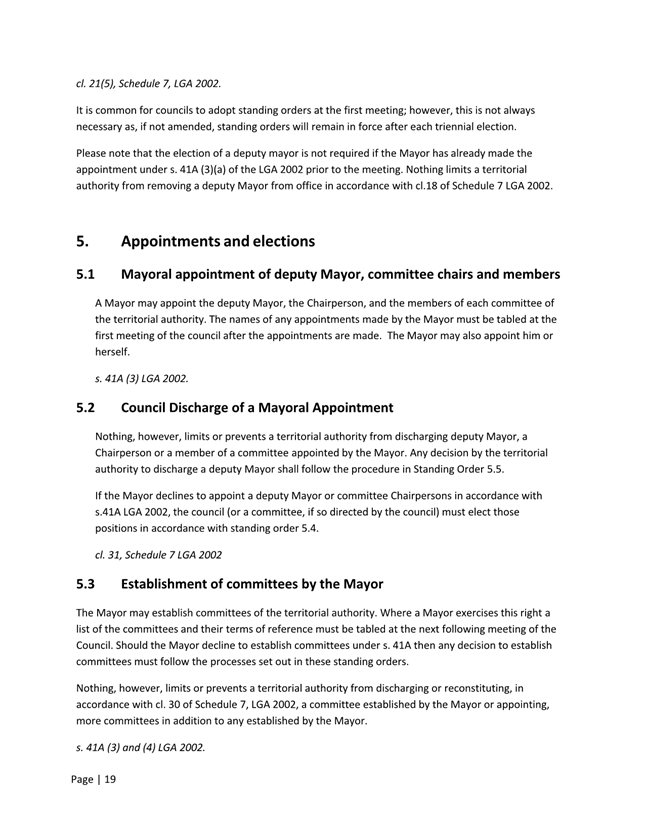
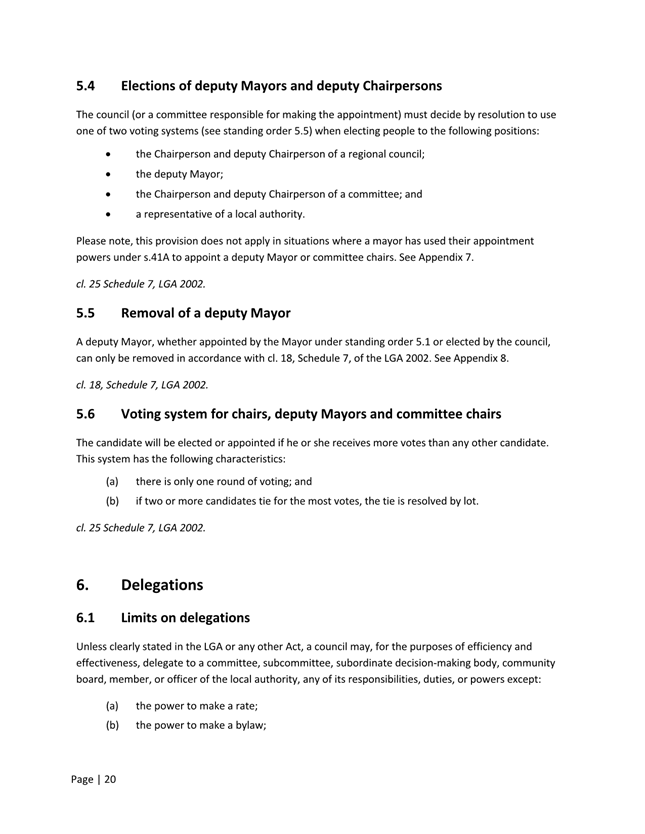
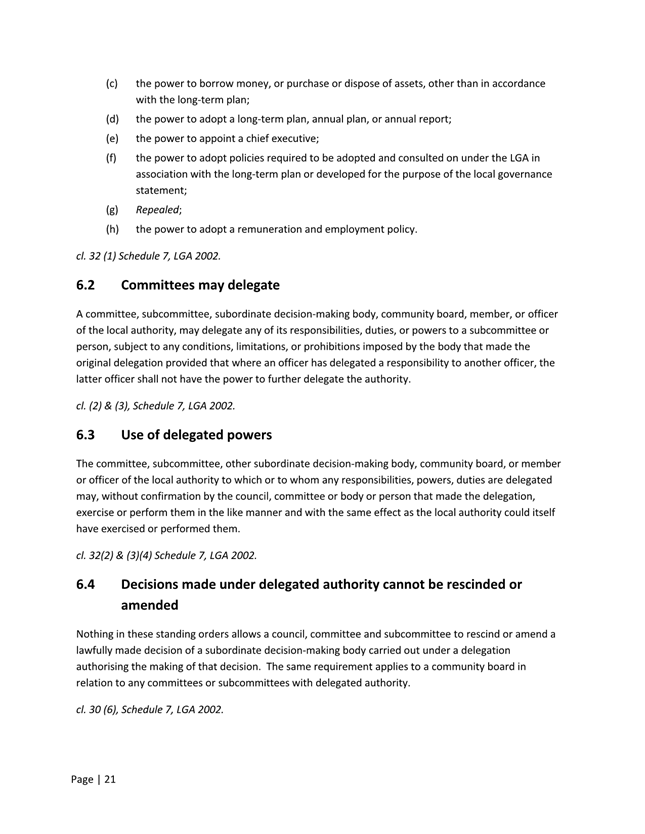
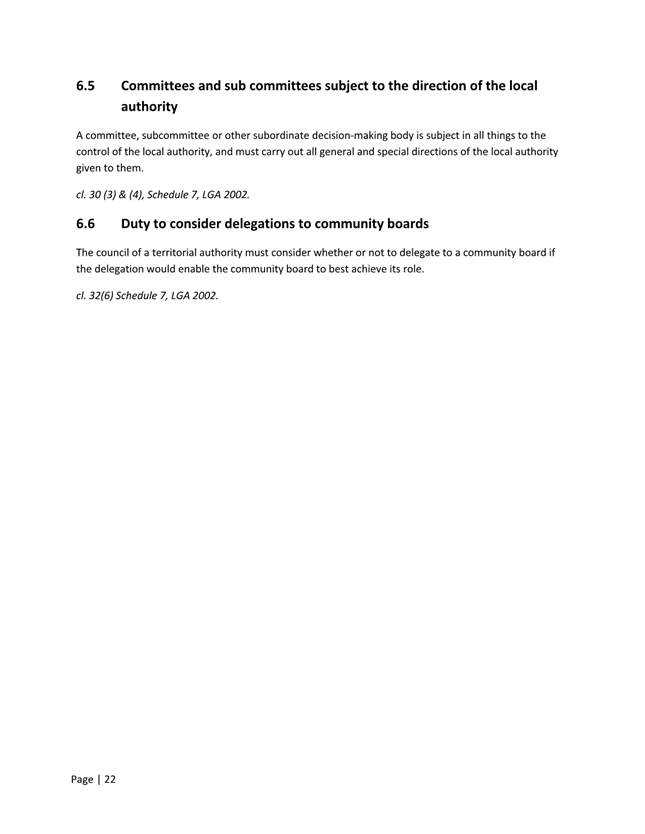
current Standing Orders.
|
Recommendation
That Te Hiku Community
Board note Te Hiku Community Board Standing Orders.
|
1) Background
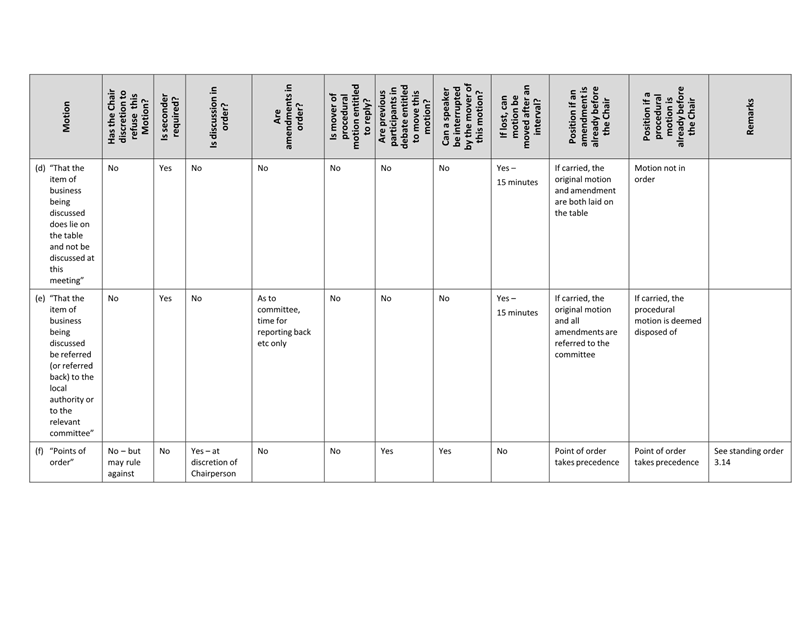
Standing Orders are a set of
rules of debate that apply to all meetings of Council and its committees and
subcommittees, including Community Boards. Furthermore, Standing Orders ensure
the legal requirements of the Local Government Act 2002 and the Local
Government Official Information and Meetings Act 1987 are met. They also
provide clarity as to what is expected of the members within a meeting and
generally cover procedures to enable meetings to be held in a fair and
transparent manner.
New Zealand Standards issued
a “Model Standing Orders for Meetings of Local Authorities and Community
Boards”. In 2016 there was a shift and Council’s across New
Zealand moved from using a New Zealand Standards version, to a template version
developed by Local Government New Zealand. revision was necessitated by the
enactment of the Local Government Act 2002 and included amendments to the Act
in 2004. Since then, Local Government New Zealand (LGNZ) assumed
responsibility for updating standing orders every three years, providing
templates and guidance on their website with the most recent version being
provided in late 2024 following work with Simpson Grierson which included
templates for city and district councils, regional councils, and community
boards.
As part of the Local
Government (System Improvements) Amendment Bill government are seeking for all
Council’s to operate under a standard set of Standing Orders, again
issued by New Zealand Standards. While a draft document will be released for
consultation in October 2025 the final publication won’t be available no
later than April 2026.
2) Discussion and Options
Standing Orders are regularly reviewed by a group of local
government practitioners, facilitated by Local Government New Zealand
(LGNZ). Following each review process LGNZ they release a recommended
template version of Standing Orders for each Council to adopt, or tweak as
their own. Each set of changes to Standing Orders generally keeps the same
intent and principles, in alignment with legislation, but tweaks the wording to
clarify each point.
The most recent review of LGNZ Standing Orders were made
available to New Zealand Council’s in March 2025.
Look to operate under previous SO’s noting new
SO’s imposed by Govt in approximately April 2026.
As part of the post-election onboarding programme the
Democracy Services Team will facilitate a standing orders session date for
which will be announced in New Year. We will discuss application of standing
orders and potential amendments, but in the meantime, recommend the continued
use of the standing orders.
Reason
for the recommendation
To note Standing Orders for Te Hiku Community Board.
3) Financial Implications and Budgetary
Provision
There are no financial implications or need for budgetary
provision as a result of this report.
Attachments
1. Standing
Orders as at 21 September 2023
Compliance schedule:
Full consideration has been given to the provisions of the
Local Government Act 2002 S77 in relation to decision making, in particular:
1. A
Local authority must, in the course of the decision-making process,
a) Seek
to identify all reasonably practicable options for the achievement of the
objective of a decision; and
b) Assess
the options in terms of their advantages and disadvantages; and
c) If
any of the options identified under paragraph (a) involves a significant
decision in relation to land or a body of water, take into account the
relationship of Māori and their culture and traditions with their
ancestral land, water sites, waahi tapu, valued flora and fauna and other
taonga.
2. This
section is subject to Section 79 - Compliance with procedures in relation to
decisions.
|
Compliance
requirement
|
Staff
assessment
|
|
State the level of significance
(high or low) of the issue or proposal as determined by the Council’s
Significance and Engagement Policy
|
This is a matter of low
significance.
|
|
State the relevant Council
policies (external or internal), legislation, and/or community outcomes (as
stated in the LTP) that relate to this decision.
|
Standing Orders is a legislative
requirement. Staff do not propose any changes or review due to a National
review and legislative change under development.
|
|
State whether this issue or
proposal has a District wide relevance and, if not, the ways in which the
appropriate Community Board’s views have been sought.
|
This report is for Council, each
Community Board will set their own Standing Orders at their own meetings.
|
|
State the possible implications for Māori
and how Māori have been provided with an opportunity to contribute to
decision making if this decision is significant and relates to land and/or
any body of water.
|
Not applicable.
|
|
Identify persons likely to be
affected by or have an interest in the matter, and how you have given
consideration to their views or preferences (for example – youth, the
aged and those with disabilities.
|
Not applicable.
|
|
State the financial implications
and where budgetary provisions have been made to support this decision.
|
There are no financial
implications or budgetary provision as a result of this report.
|
|
Chief Financial Officer review.
|
The Chief Financial Officer has
not reviewed this report.
|
6.6 Te
Hiku Community Board First Meeting
File
Number: A5431119
Author: Natasha
Rmandic, Democracy Advisor
Authoriser: Aisha
Huriwai, Manager - Democracy Services
Take Pūrongo / Purpose of the Report
To note the date and time
of the first meeting of Te Hiku Community Board.
|
tŪtohunga
/ Recommendation
That Te Hiku receive the report “Te Hiku Community Board First
Meeting”.
|
1) TĀhuhu kŌrero / Background
The Local Government Act (2002) cl. 21(5), Schedule 7, sets
out a number of requirements of business that must be conducted at the
Inaugural Meeting. This includes:
(d) The fixing of the date and time of the first
meeting of the local authority, or the adoption of a
schedule of meetings.
Te Hiku Community Board’s first meeting has been
scheduled for Monday 24 November 2025.
2) matapaki me NgĀ KŌwhiringa /
Discussion and Options
The schedule of formal
meetings will be tabled to Council and the Community Boards at their meetings
in December.
3) PĀnga PŪtea me ngĀ
wĀhanga tahua / Financial Implications and Budgetary Provision
There are no financial implications or budgetary provisions
required as a result of this report.
Āpitihanga
/ Attachments
Nil
Hōtaka Take Ōkawa / Compliance Schedule:
Full consideration has been given to the provisions of the
Local Government Act 2002 S77 in relation to decision making, in particular:
1. A
Local authority must, in the course of the decision-making process,
a) Seek
to identify all reasonably practicable options for the achievement of the
objective of a decision; and
b) Assess
the options in terms of their advantages and disadvantages; and
c) If
any of the options identified under paragraph (a) involves a significant
decision in relation to land or a body of water, take into account the
relationship of Māori and their culture and traditions with their
ancestral land, water sites, waahi tapu, valued flora and fauna and other
taonga.
2. This
section is subject to Section 79 - Compliance with procedures in relation to
decisions.
|
He Take Ōkawa /
Compliance Requirement
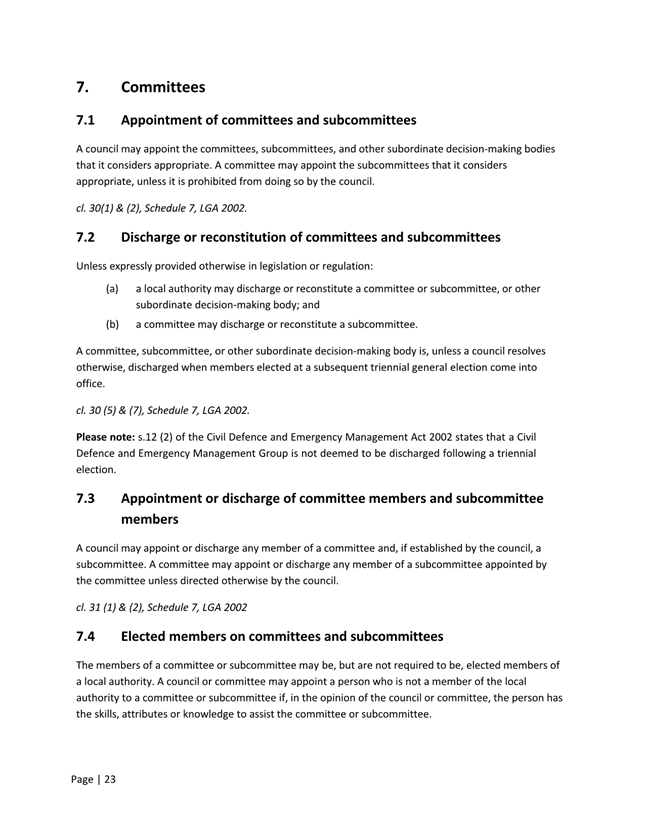
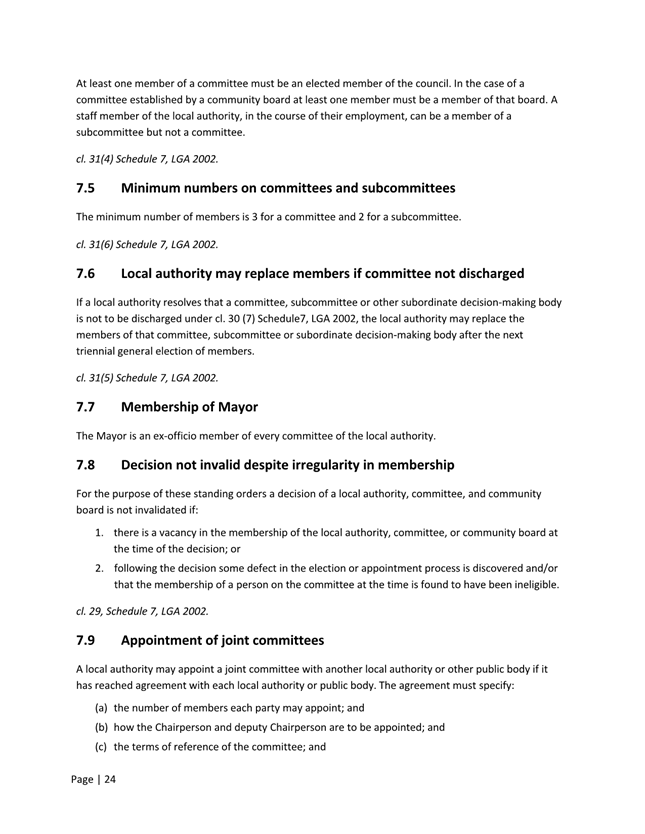
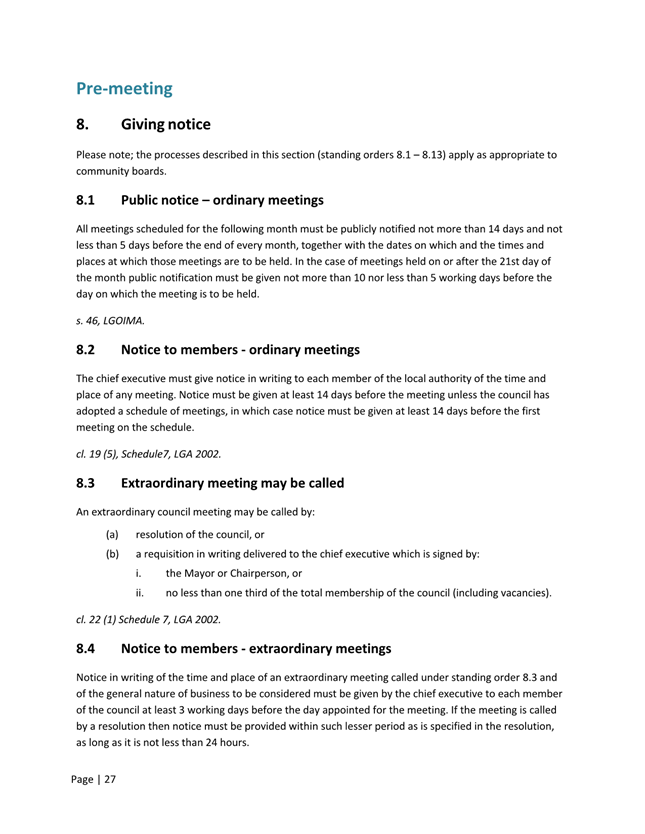
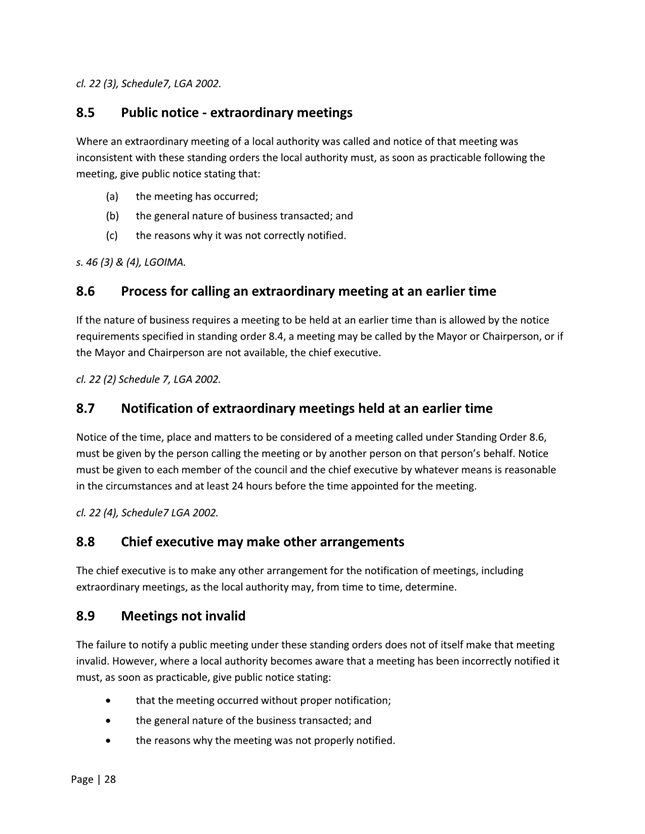
|
Aromatawai Kaimahi /
Staff Assessment
|
|
State the level of significance (high or low) of the
issue or proposal as determined by the Council’s
Significance and Engagement Policy
|
This report is of low significance.
|
|
State the relevant Council policies (external or
internal), legislation, and/or community outcomes (as stated in the LTP) that
relate to this decision.
|
Not applicable.
|
|
State whether this issue or proposal has a District wide
relevance and, if not, the ways in which the appropriate Community
Board’s views have been sought.
|
Not applicable.
|
|
State the
possible implications for Māori and how Māori have been provided
with an opportunity to contribute to decision making if this decision is
significant and relates to land and/or any body of water.
State the
possible implications and how this report aligns with Te Tiriti o Waitangi /
The Treaty of Waitangi.
|
Not applicable.
|
|
Identify persons likely to be affected by or have an
interest in the matter, and how you have given consideration to their views
or preferences (for example – youth, the aged and those with
disabilities).
|
Not applicable.
|
|
State the financial implications and where budgetary
provisions have been made to support this decision.
|
There are no financial implications as a result of this
report.
|
|
Chief Financial Officer review.
|
This report has not been reviewed by the Chief Financial
Officer.
|
6.7 Te
Hiku Community Board Schedule of Meetings for 2025
File
Number: A5431102
Author: Natasha
Rmandic, Democracy Advisor
Authoriser: Aisha
Huriwai, Manager - Democracy Services
Take Pūrongo / Purpose of the Report
To note
the date and time of the meeting schedule for the remainder of the 2025
meetings of Te Hiku Community Board.
|
tŪtohunga
/ Recommendation
That Te Hiku Community Board receive the report
“Te Hiku Community Board Schedule of Meetings for 2025”.
|
tĀhuhu kŌrero / Background
The
Local Government Act (2002) cl. 21(5), Schedule 7, sets out a number of
requirements of business that must be conducted at the Inaugural Meeting. This
includes:
- The fixing of the date and time of the first meeting of
the local authority, or the adoption of a schedule of meetings.
|
Te Hiku Community
Board’s Meeting Schedule
|
|
Monday 24 November 2025
from 10.00am at Te Ahu, Kaitaia
|
matapaki me NgĀ KŌwhiringa /
Discussion and Options
The meeting schedule
covers meeting dates for the remainder of the 2025 calendar year.
The schedule of 2026
formal meetings will be tabled to Council and the Community Boards at their
meetings in December.
PĀnga PŪtea me ngĀ wĀhanga
tahua / Financial Implications and Budgetary Provision
There are no financial
implications or budgetary provisions required as a result of this report.
Āpitihanga
/ Attachments
Nil
Hōtaka Take Ōkawa / Compliance Schedule:
Full consideration has been given to the provisions of the
Local Government Act 2002 S77 in relation to decision making, in particular:
1. A
Local authority must, in the course of the decision-making process,
a) Seek
to identify all reasonably practicable options for the achievement of the
objective of a decision; and
b) Assess
the options in terms of their advantages and disadvantages; and
c) If
any of the options identified under paragraph (a) involves a significant
decision in relation to land or a body of water, take into account the
relationship of Māori and their culture and traditions with their
ancestral land, water sites, waahi tapu, valued flora and fauna and other
taonga.
2. This
section is subject to Section 79 - Compliance with procedures in relation to
decisions.
|
He Take Ōkawa /
Compliance Requirement
|
Aromatawai Kaimahi /
Staff Assessment
|
|
State the level of significance (high or low) of the
issue or proposal as determined by the Council’s
Significance and Engagement Policy
|
This report is of low significance
|
|
State the relevant Council policies (external or
internal), legislation, and/or community outcomes (as stated in the LTP) that
relate to this decision.
|
Not applicable.
|
|
State whether this issue or proposal has a District wide
relevance and, if not, the ways in which the appropriate Community
Board’s views have been sought.
|
Not applicable.
|
|
State the
possible implications for Māori and how Māori have been provided
with an opportunity to contribute to decision making if this decision is
significant and relates to land and/or any body of water.
State the
possible implications and how this report aligns with Te Tiriti o Waitangi /
The Treaty of Waitangi.
|
Not applicable.
|
|
Identify persons likely to be affected by or have an
interest in the matter, and how you have given consideration to their views
or preferences (for example – youth, the aged and those with
disabilities).
|
Not applicable.
|
|
State the financial implications and where budgetary
provisions have been made to support this decision.
|
There are no financial implications as a result of this
report.
|
|
Chief Financial Officer review.
|
This report has not been reviewed by Chief Financial
Officer.
|